

Preventing water contamination: How citizen data and chlorine monitoring can save lives
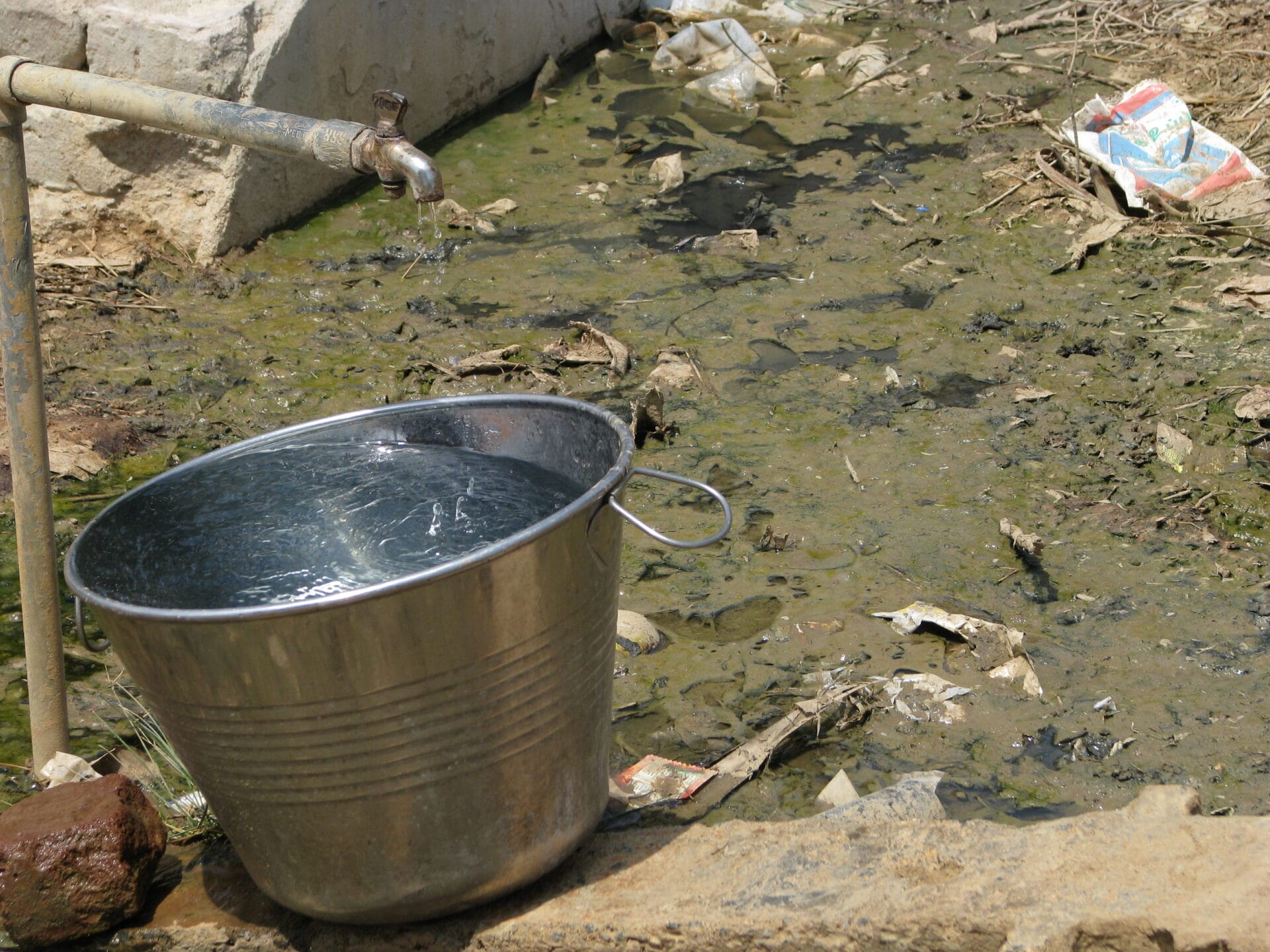
In Indore, sewage leaks and intermittent water supply increase contamination risks. Maintaining residual chlorine in pipelines can avert crises across cities.
Avoiding the Trap of Predatory Journals
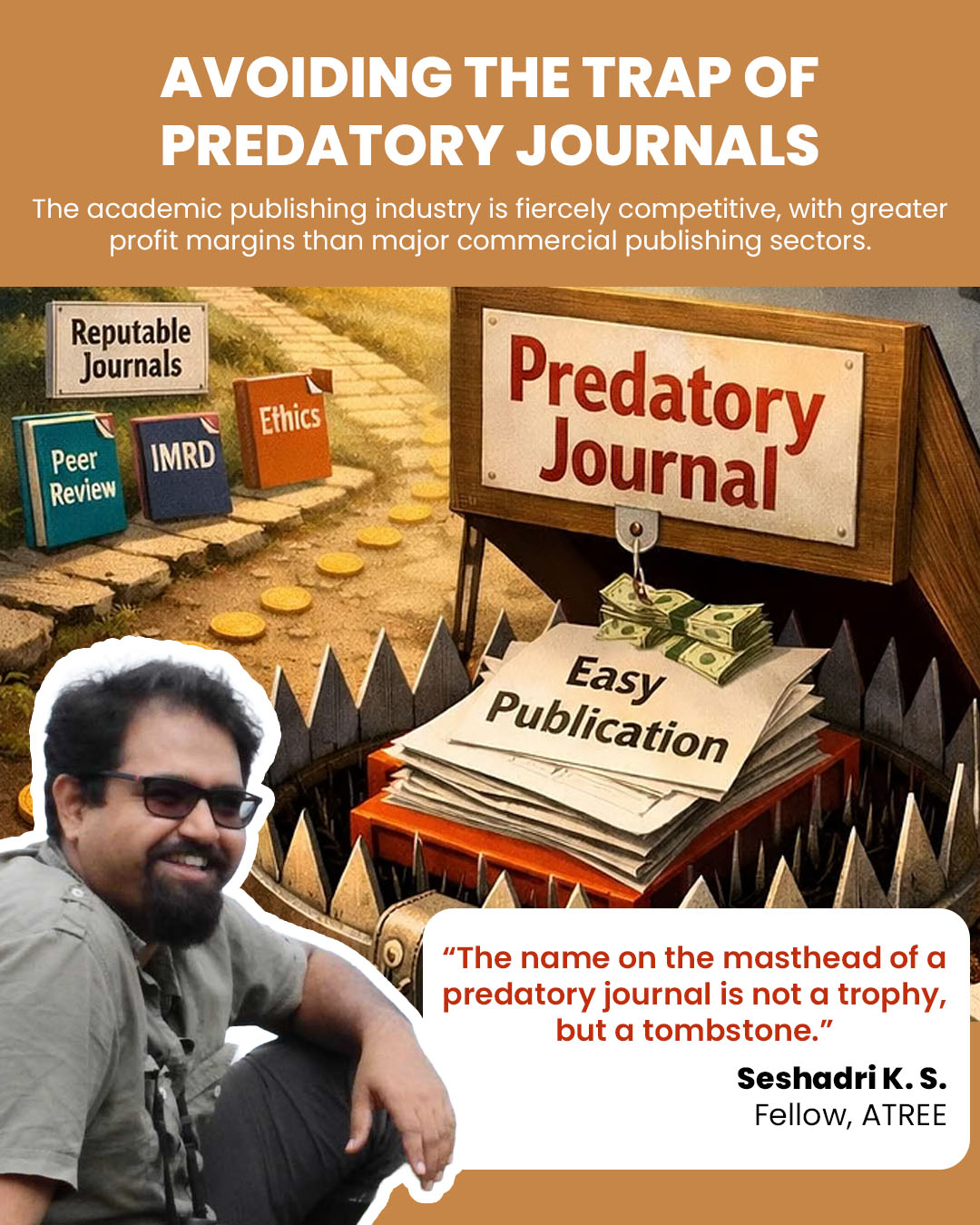
In academia, publications are the primary currency for advancement. Whether it is a PhD student or a tenured professor, everyone plays the ‘publish or perish’ game. Publication is the logical culmination of the scientific research method. Publications close the loop from data collection and analysis to public contribution.
When the Seasons No Longer Listen
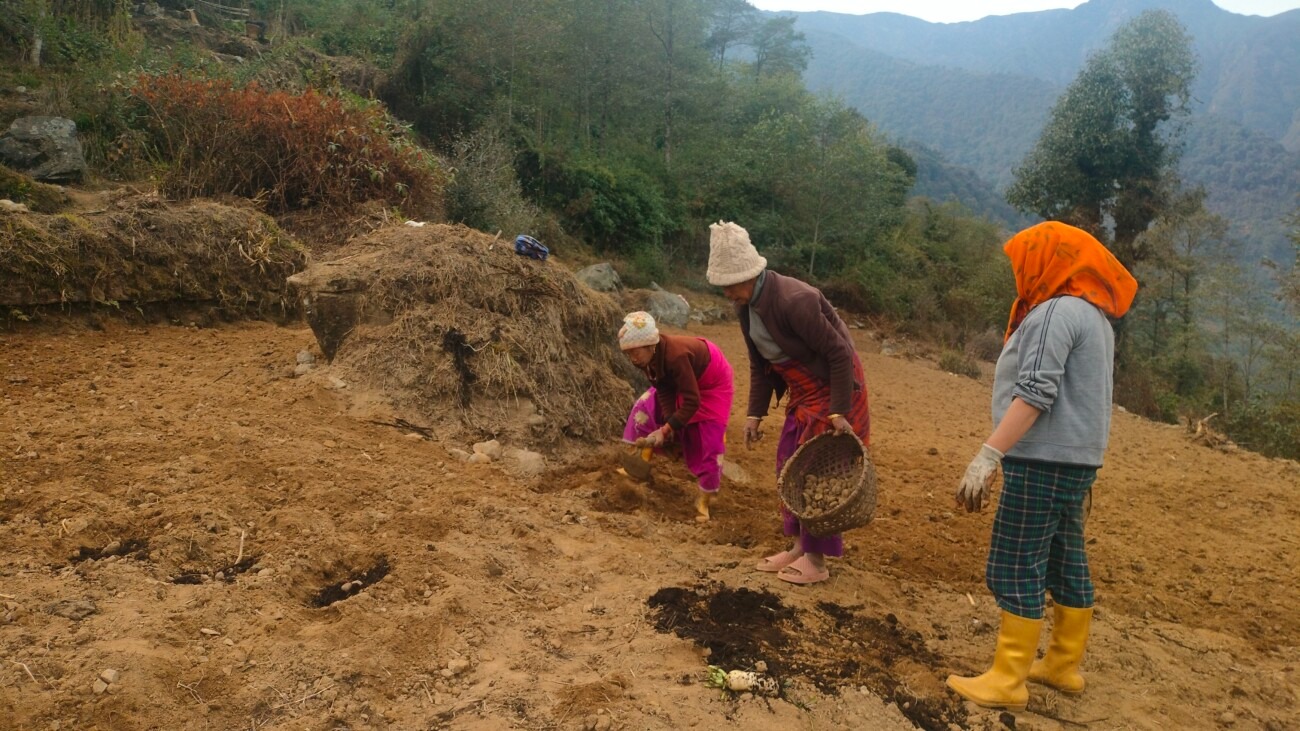
On a clear morning in Sittong, an elderly farmer Nima Tshering Lepcha walks down a narrow footpath that cuts through terraced fields clinging to the hillside. Twenty years ago, this land grew finger millet and barley-crops that fed families and shaped food traditions. Today, those same terraces are dotted with betel nut and black pepper […]
Aligning Religious Tourism With Ecology

The article is based on ATREE’s work piloting religious tourism guidelines in protected areas such as KMTR and Ranthambore Tiger Reserve. The team produced a report in 2023 in collaboration with WWF UK on the same (attached). The broader aim is to contribute to the NTCA adopting these guidelines for greater implementation as mentioned in […]
How Landscape Memory, Hysteresis Shape the Way Indian Cities Flood
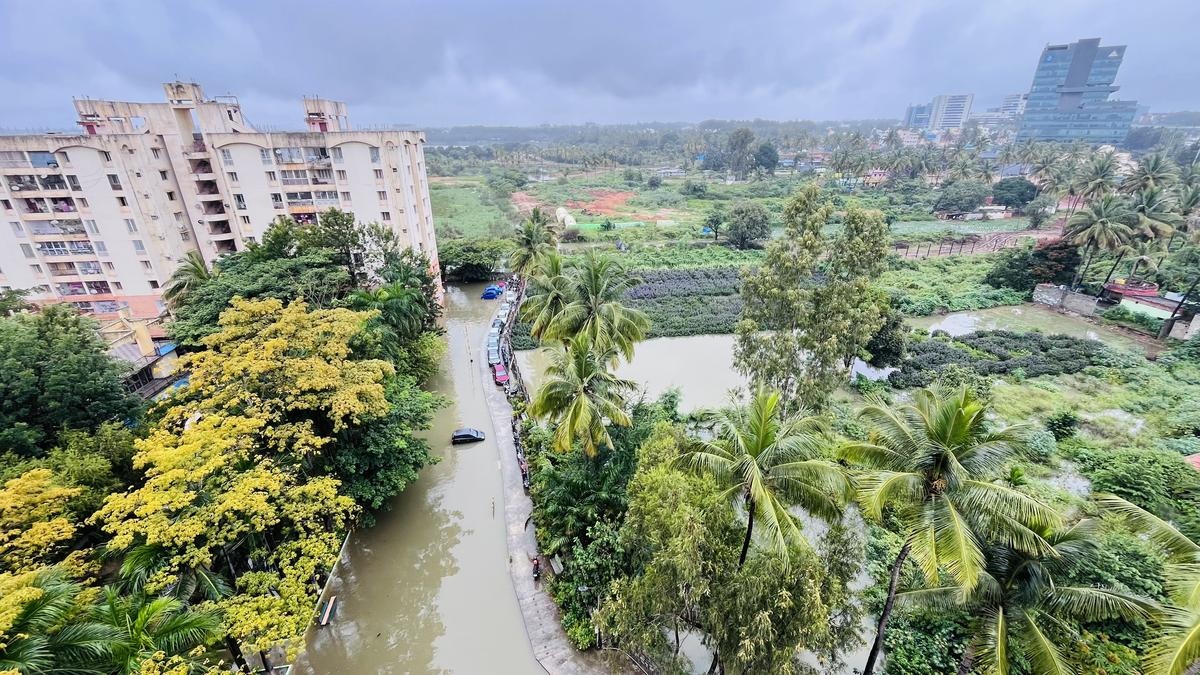
In India’s cities, streets remain waterlogged long after the downpour has passed. These scenes are often dismissed as failures of their drainage systems, but hydrology offers one more insight: landscapes don’t respond to rain instantly or forget it quickly. Instead they respond to hydrological hysteresis, a ‘memory’ of past rainfall
The Private Forestry Plan Must Square With Forest Rights Act
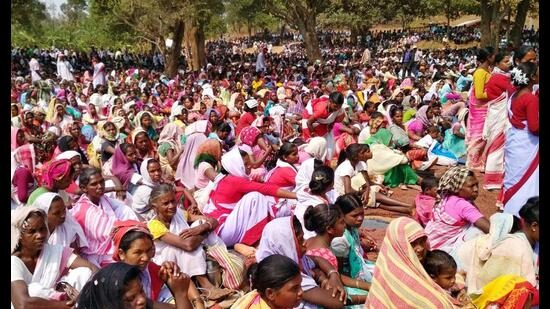
In the central Indian forest-belt, where large numbers of villages have opposed timber felling, forest departments have sought not legal compliance.
A Zoonotic Disease in the Himalayas That Needs a Closer Look [commentary]
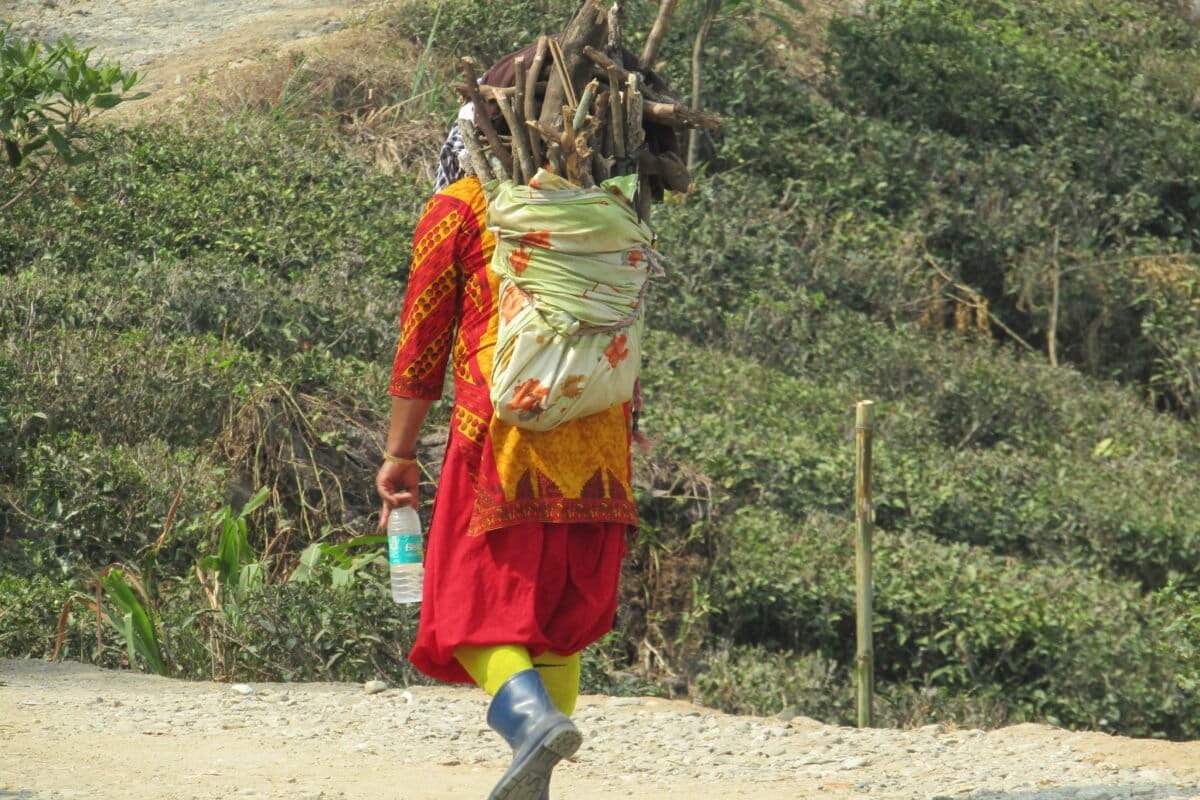
Scrub typhus, a zoonotic disease, transmitted by mite bites, is re-emerging as a significant but under-recognised public health threat in the rural landscapes of the Indian Himalayas. The disease thrives in rodent-rich environments, shaped by ecology and land-use changes, persists amid weak surveillance and declining healthcare access in the plantation areas. There is an urgent […]
After the Ngt Order, Safeguards Will Now Decide Great Nicobar’s Future

The NGT decision to uphold environmental clearance for the Great Nicobar infrastructure project marks a pivotal moment in India’s environmental governance.
Land Acquired for Strengthening Elephant Corridors, Pressurises Farmer Livelihoods
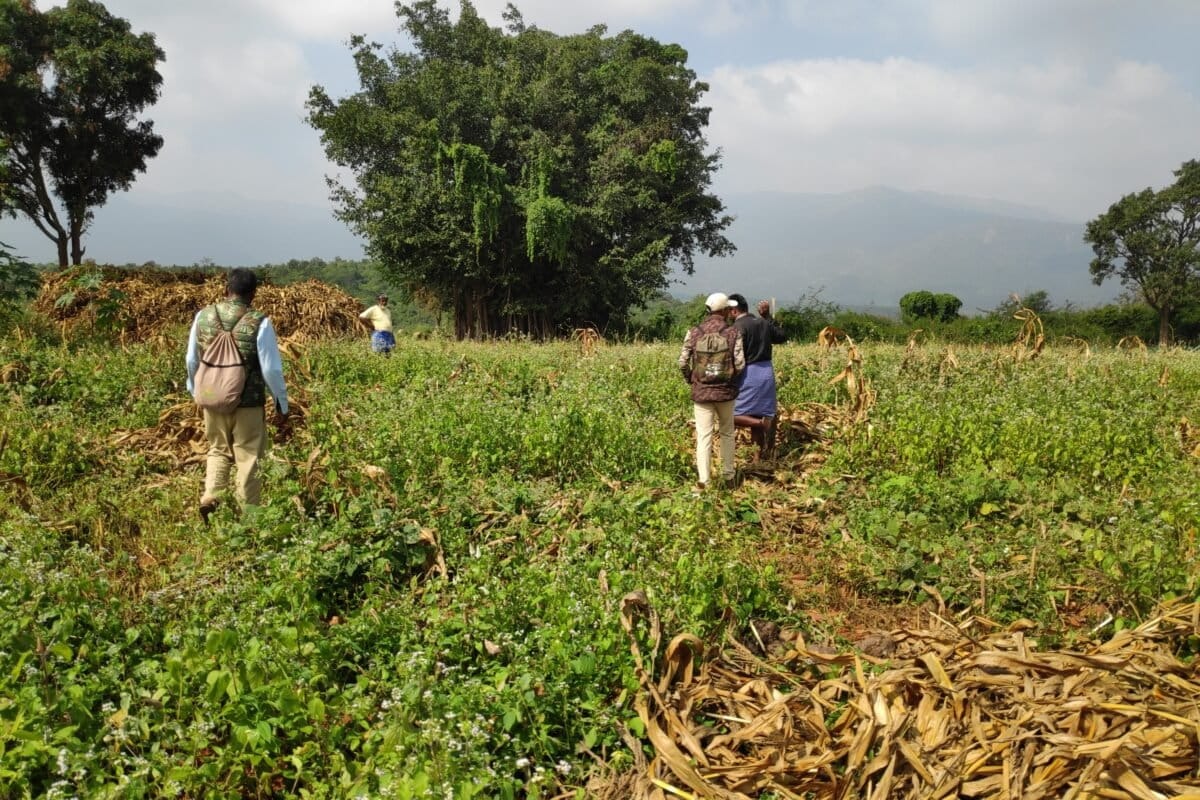
The acquisition of land for elephant corridors expands conservation beyond protected areas, placing pressure on agrarian livelihoods.
Land Acquired for Strengthening Elephant Corridors, Pressurises Farmer Livelihoods [commentary]
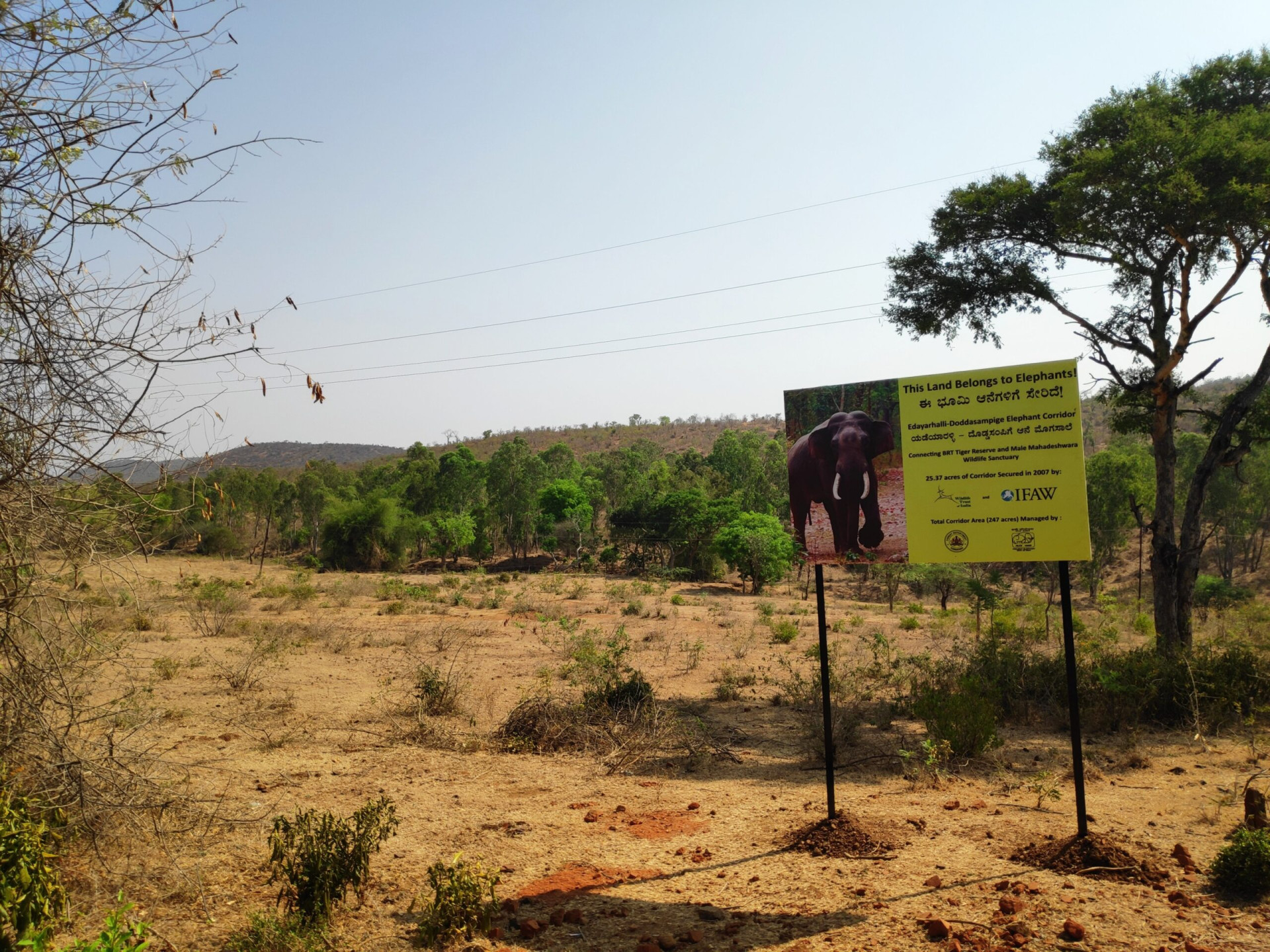
The acquisition of land for elephant corridors is an example of how conservation interventions are expanding beyond protected areas and into surrounding agrarian landscapes. Restrictions on land access and use are imposed on the communities living around the protected areas, but there is a lack of compensation for crops destroyed by wildlife. As calls grow […]