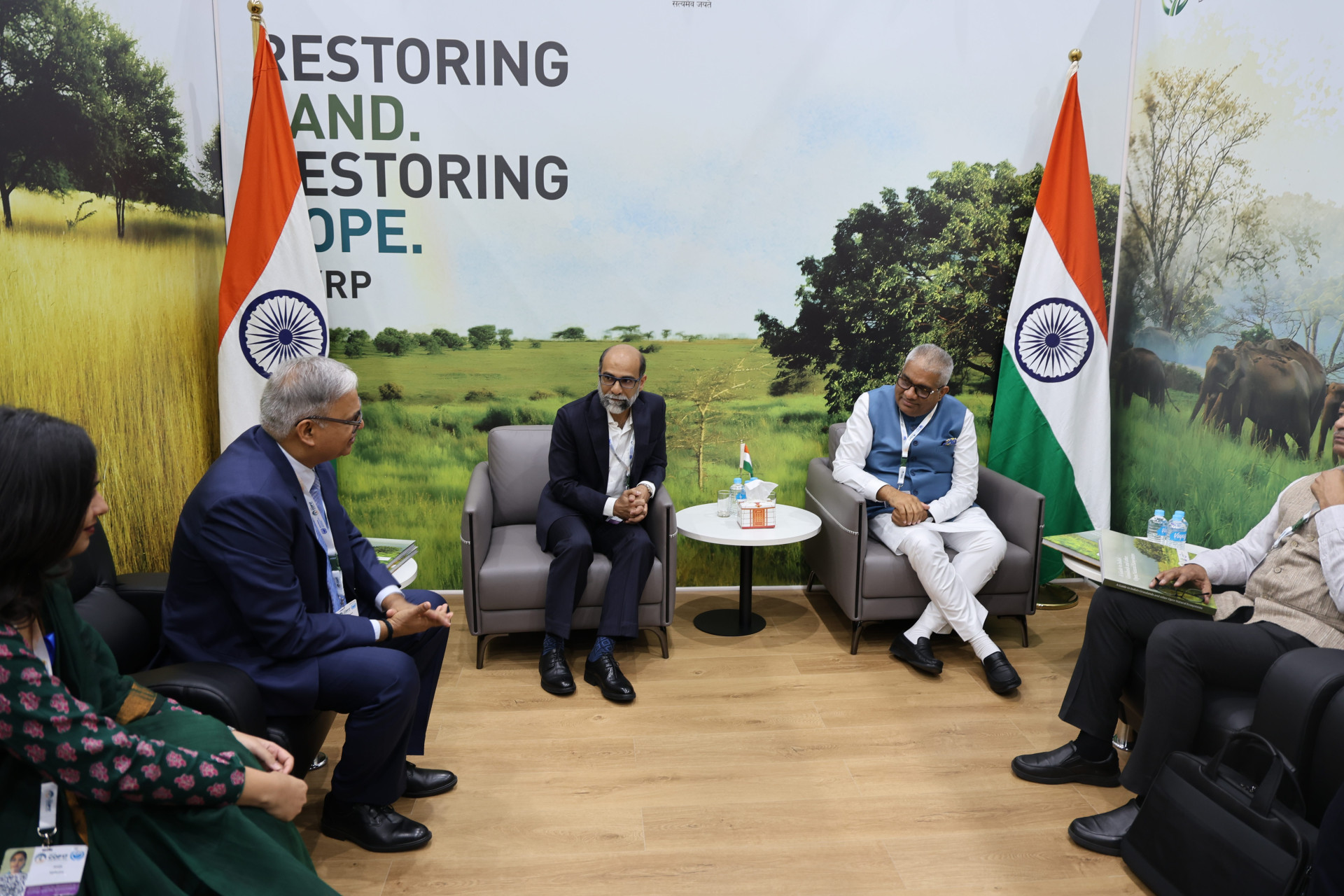
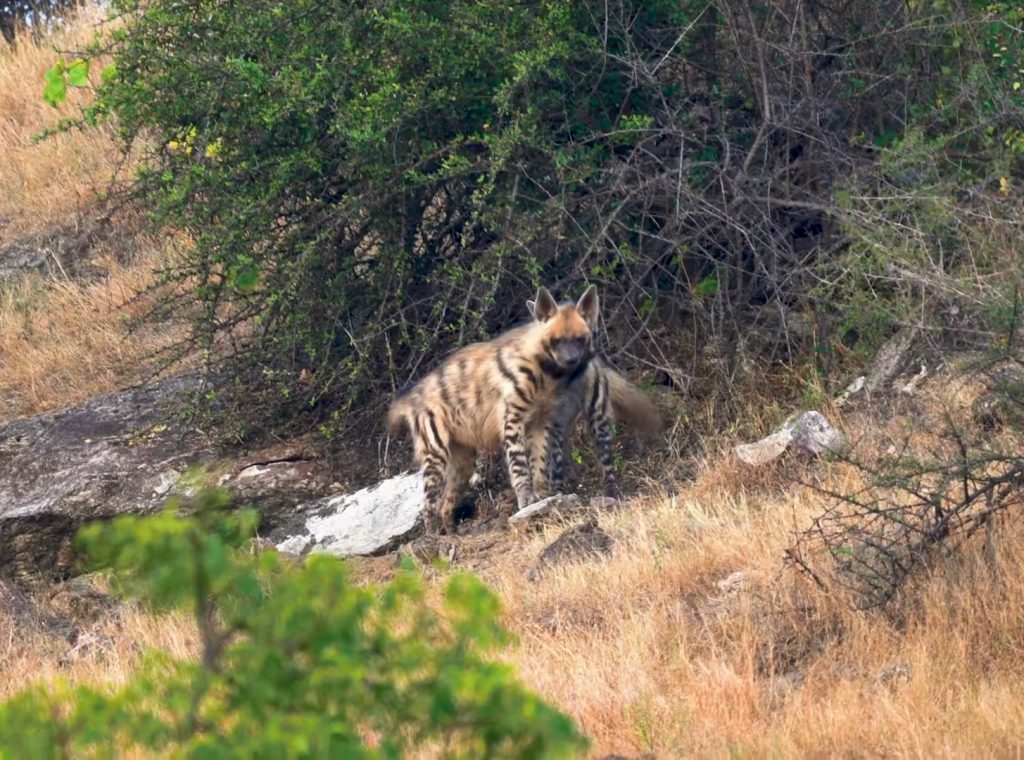
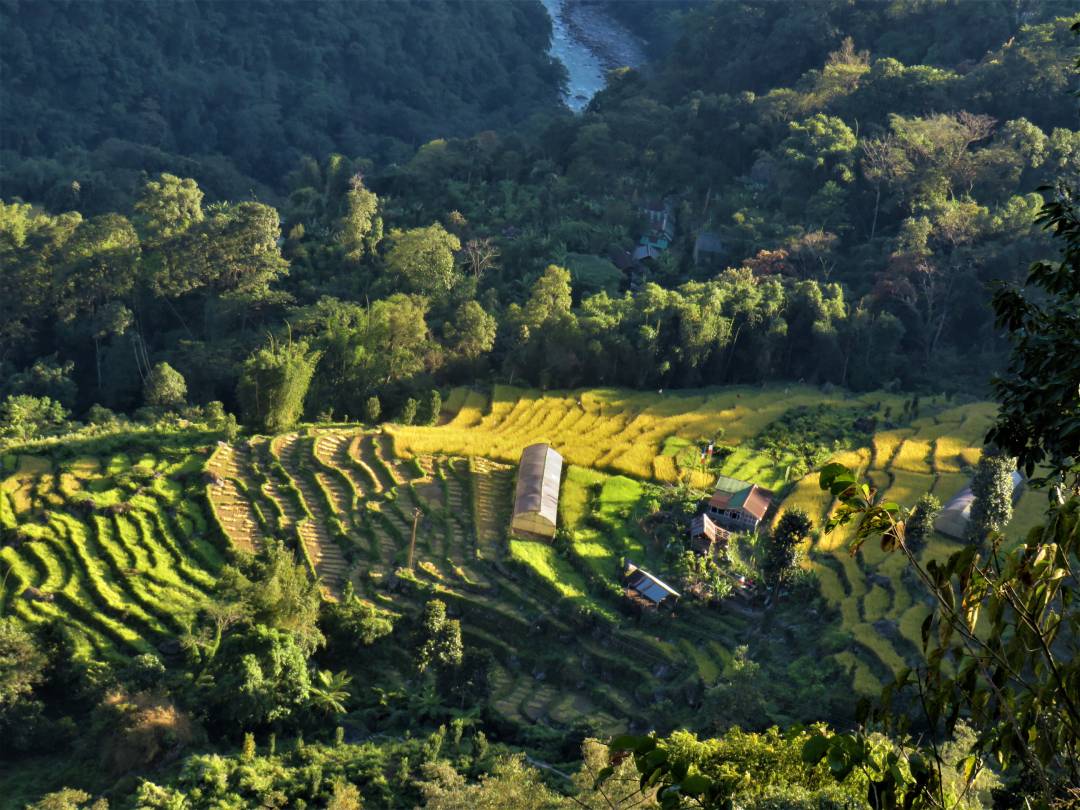
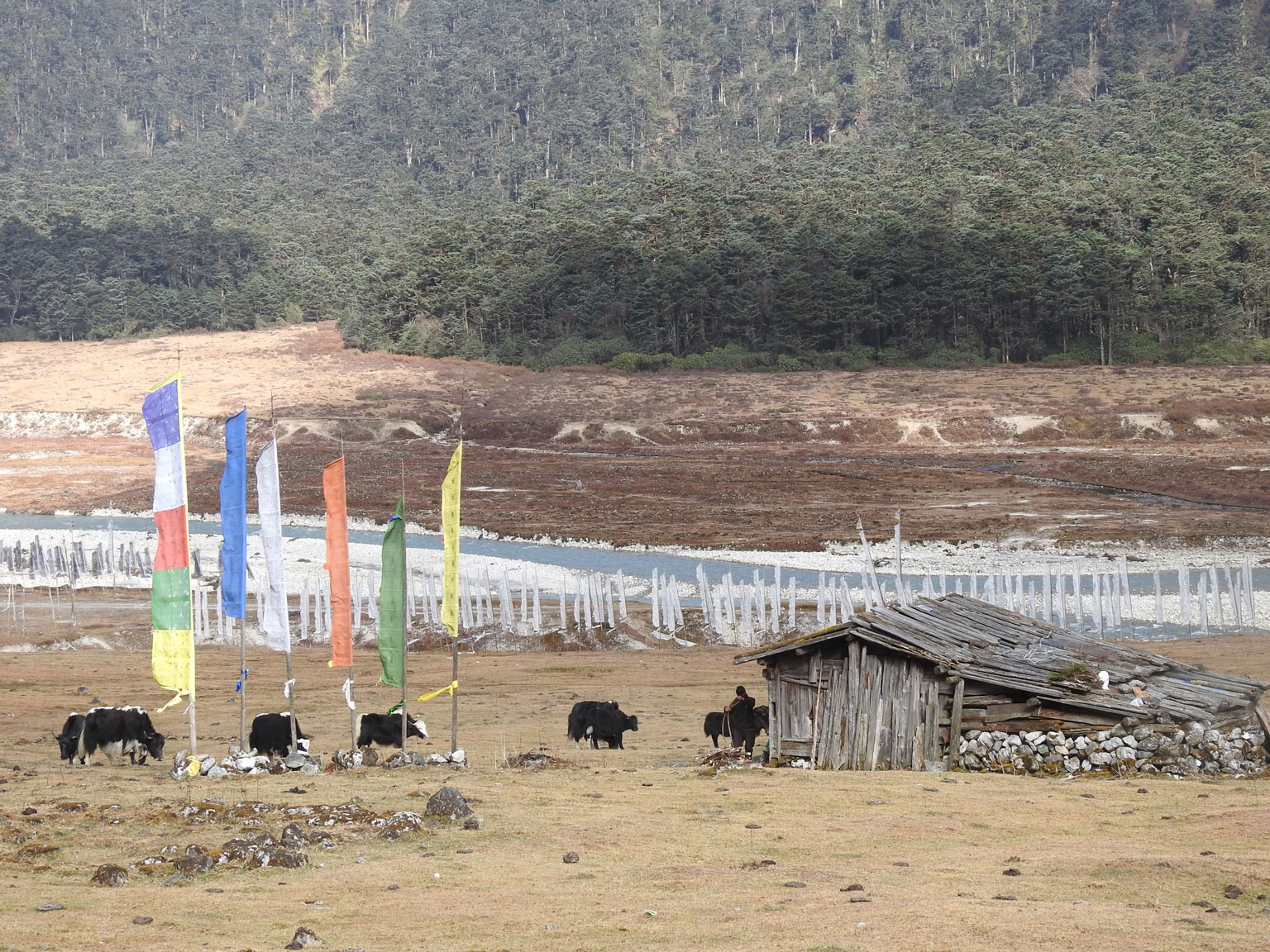
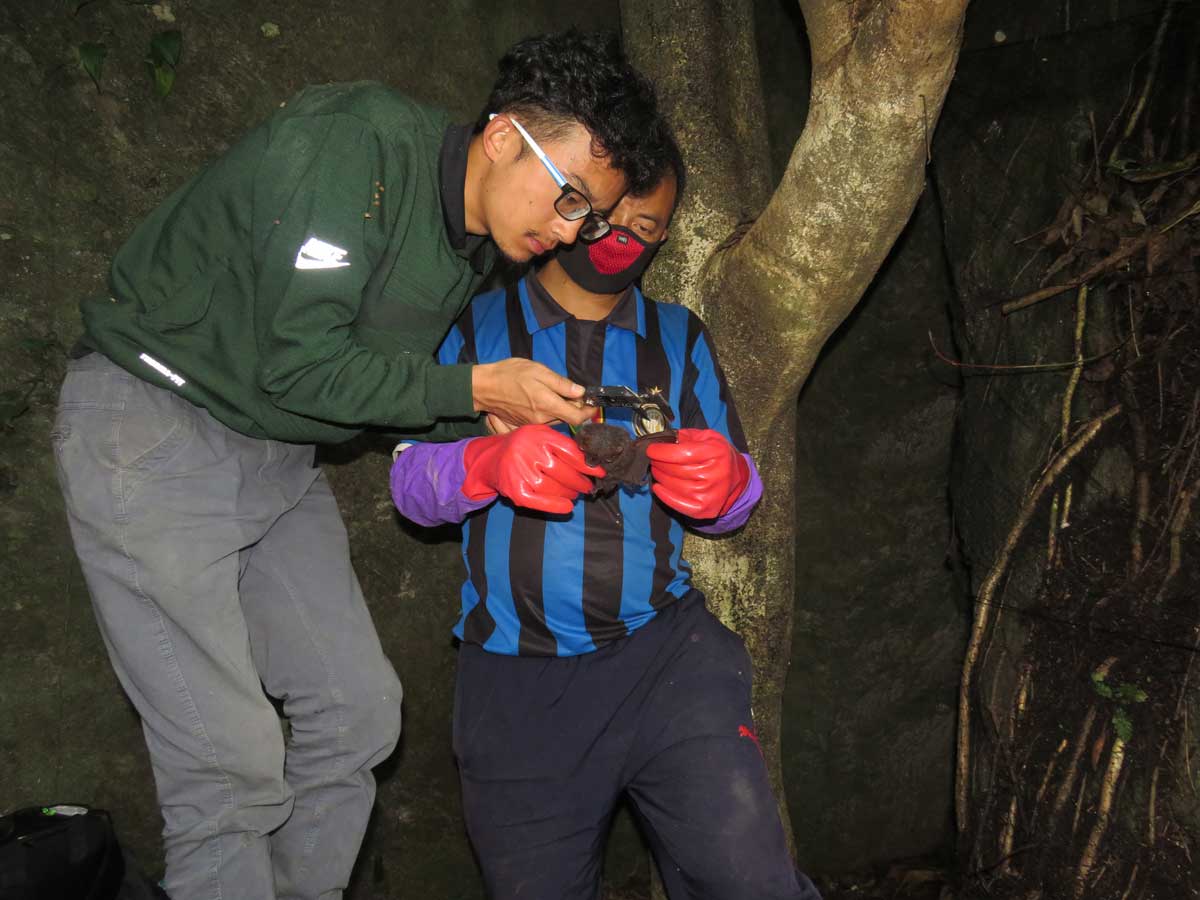
India’s grasslands and other Open Natural Ecosystems (ONEs) are among the country’s most important and least recognised landscapes. Approximately 15–20% of India’s land area is estimated to be covered by grasslands, while at least 13 million nomadic pastoralists from 46 communities depend on these landscapes. They support biodiversity, livelihoods, livestock production, soil and water systems, and provide important ecosystem services. Yet these ecosystems continue to face pressures from land-use change, degradation, fragmentation and competing demands on land.
Grasslands are often overlooked in conservation and development planning, despite their ecological, economic and social importance. Strengthening their conservation and management requires recognising grasslands as distinct ecosystems and integrating them into policy, public programmes, restoration efforts and local stewardship.
The Grasslands Initiative at ATREE builds upon the interdisciplinary work on grasslands and other Open Natural Ecosystems to strengthen the science-policy frameworks required for their long-term conservation and sustainable management.
The Grasslands Initiative works across research, policy, practice and partnerships, recognising that securing grasslands requires action across multiple scales, from ecological processes and local stewardship to government programmes, public finance and national policy frameworks.
The goal is to secure the long-term conservation and sustainable management of India’s grasslands by strengthening how these ecosystems are recognised, understood, governed, financed, restored and managed for people, biodiversity and climate resilience.
Key Areas
Unlocking Public Finance
Works with central and state governments to identify opportunities to integrate grassland conservation and restoration within existing programmes, including watershed development, land restoration and climate adaptation initiatives. The Initiative aims to support the alignment of public finance towards grassland conservation and restoration over five years.
Supporting Policy and Institutional Change
Generating evidence and working with governments and other institutions to strengthen national and state-level policies, action plans and programme guidelines that recognise grasslands as distinct ecosystems and incorporate their ecological and livelihood values into land, biodiversity, climate and restoration frameworks.
Building the Evidence Base
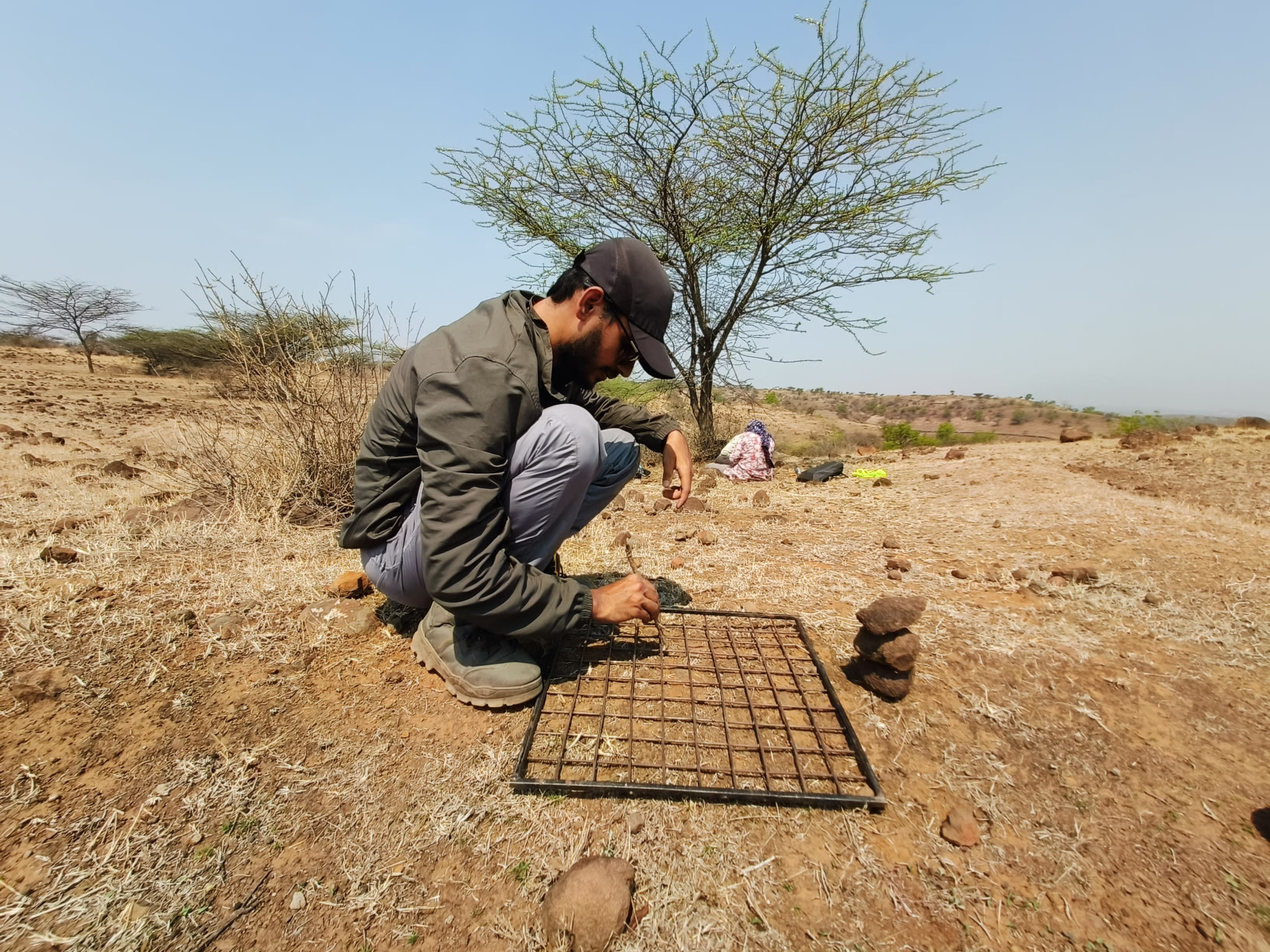
Developing and synthesising the ecological and social evidence required to inform grassland management and restoration. This will include spatial datasets and decision-support tools, soil-carbon and ecosystem monitoring, biodiversity assessments, and research on restoration approaches and adaptive management.
Strengthening Partnerships and Practice
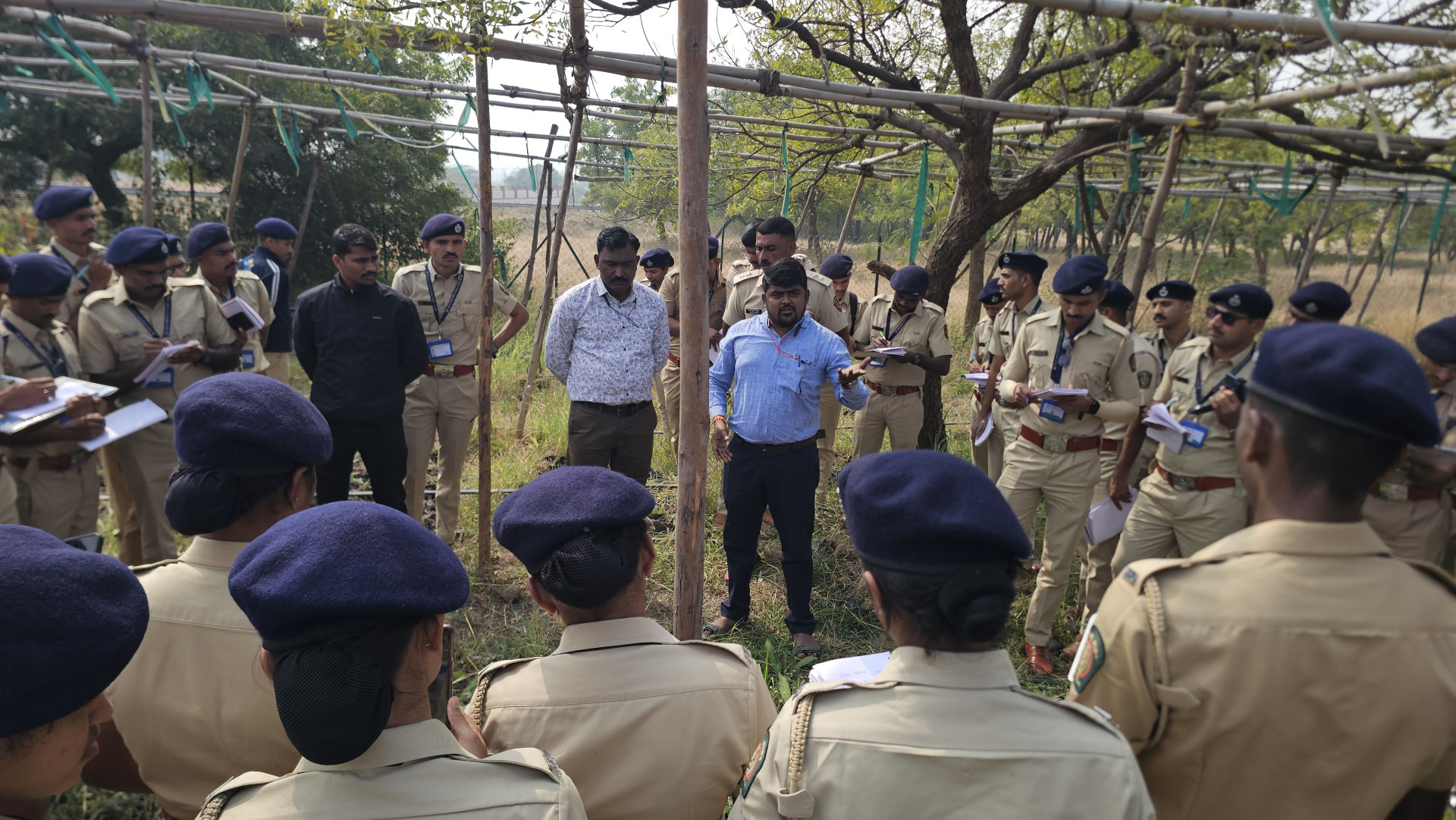
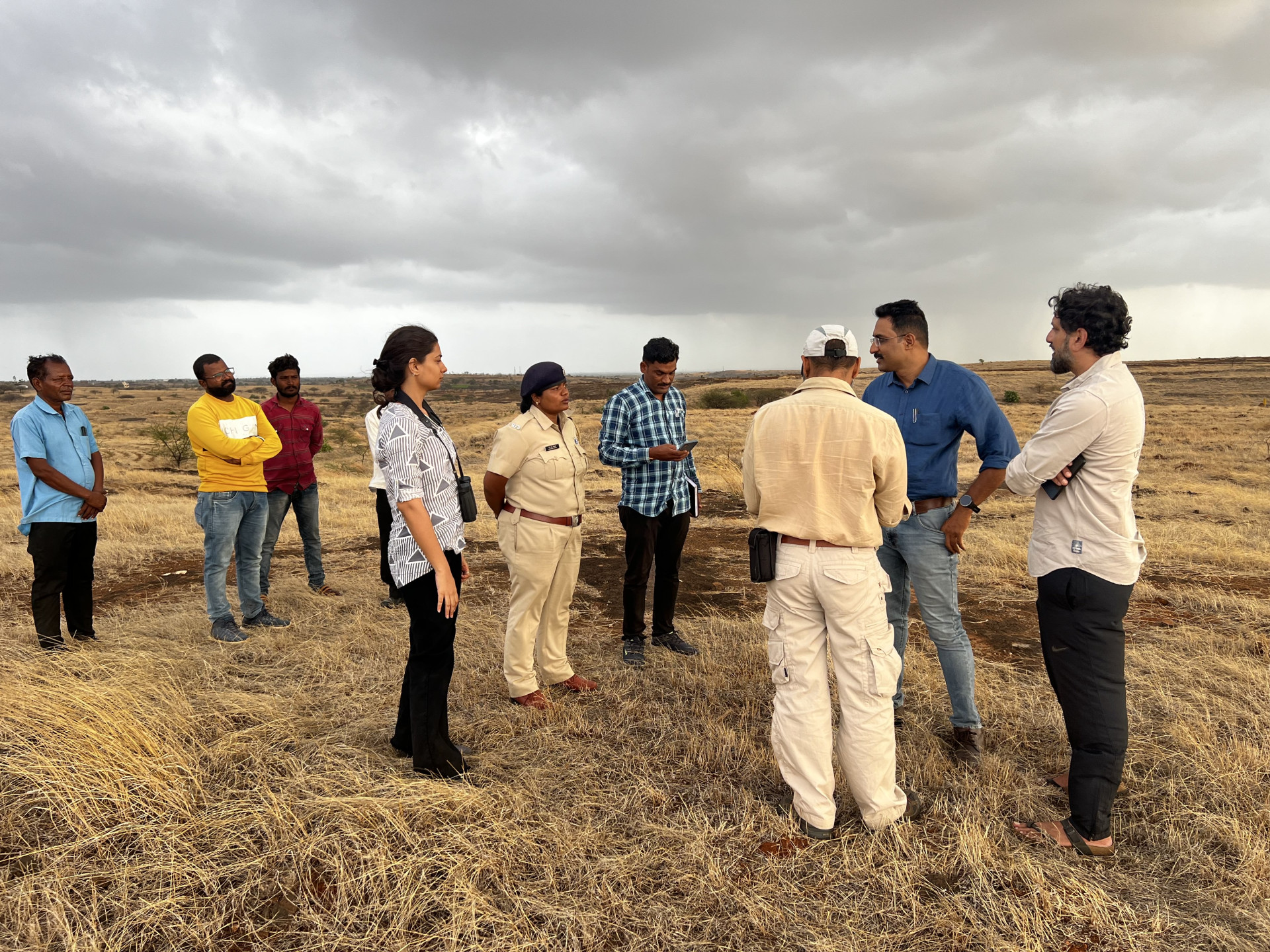
Working with government agencies, research institutions, civil society organisations, pastoral and local communities, and other partners to develop and demonstrate approaches for grassland stewardship. Field-based work will provide opportunities to test approaches, generate evidence and inform policy and programme design.
Working at Scale
The Grasslands Initiative aims to secure, through policy, restoration, protection and community stewardship, 1.5 million hectares of semi-arid grasslands and savannas across eight priority states:
Rajasthan | Madhya Pradesh | Gujarat | Maharashtra | Andhra Pradesh | Karnataka | Telangana | Tamil Nadu
Together, these states contain some of India’s largest remaining grassland landscapes and represent approximately 70% of the country’s grassland area. The Initiative builds on ATREE’s existing research and field engagements on Open Natural Ecosystems, including work on grassland restoration, biodiversity, pastoralism, ecological monitoring, spatial mapping, public programmes and policy. By connecting research with implementation and policy processes, the Initiative seeks to demonstrate approaches that can be adapted and scaled across India.