




An Apterous Specimen of Guithera Feana Distant (Reduviidae: Emesinae: Leistarchini) From Karnataka, India

This paper presents the first illustrated description of an apterous male specimen of Guithera feana from Karnataka.
Genetic Diversity and Population Structure of the Vulnerable Medicinal Tree Saraca Asoca in the Western Ghats India
This study analyses twelve populations using newly developed microsatellite markers, revealing high allelic diversity.
Anuran Assemblage in a Rapidly Urbanizing City in South Asia
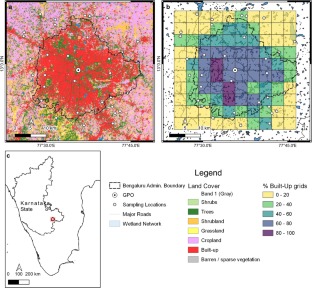
K. S. Seshadri, M. K. Vidisha, Pushkar Ravindra Wagh, H. S. Sudhira, Maria Thaker Urban Ecosystem | October 27, 2025 Urbanization is an ongoing process and an important driver of land use changes globally. Cities expand at the expense of natural landscapes, thereby shaping the ecological communities within them. The Global South is urbanizing rapidly, […]
Secondary seed dispersal by migrant harriers in India
Anoop N. R., Thalavaipandi S., Selvakumar, M. B. Prashanth, Arjun Kannan, T. Ganesh OIKOS | October 24, 2025 The study identified seeds in 670 (21%) of the 3216 pellets collected from pallid harrier Circus macrourus and Montagu’s harrier Circus pygargus winter roosts between 2016 and 2023 across three key wintering regions in India. The analysis […]
Mobilising Policy and Public Finance Levers for Land Restoration in India
Anuja Malhotra, Sanjana Nair, Sangita Ganesh, Abi Tamim Vanak Economic and Political Weekly | October 24, 2025 Identifying 20 schemes with at least one component related to land restoration under the Union Budget 2023, it was found that allocations by ministries have stayed roughly the same or decreased for restoration-related schemes since 2016–17, with underspending […]
Six New Additions to the Indian Butterfly (Lepidoptera) Fauna From Upper Siang, Arunachal Pradesh, India
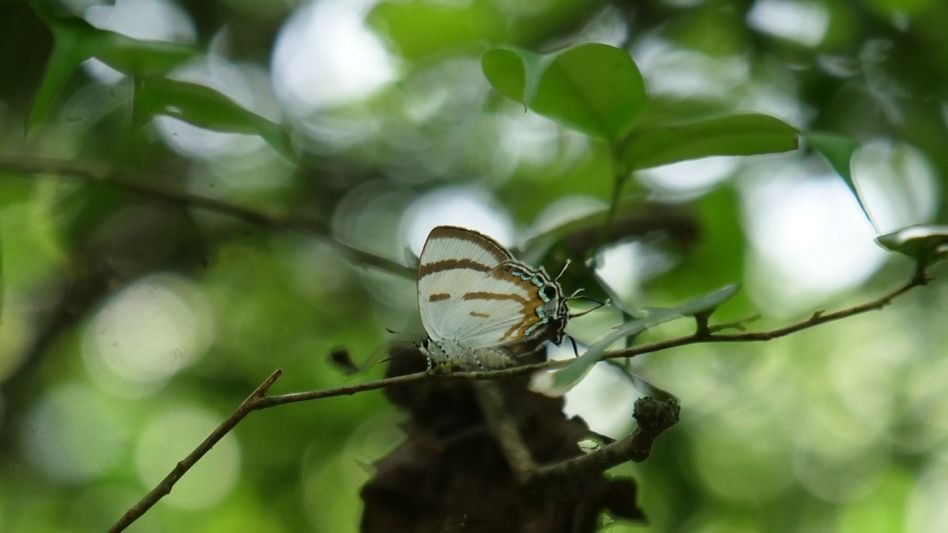
Monsoon Jyoti Gogoi, Rajkamal Goswami, Seena N. Karimbumkara, Agur Litin Entomon | October 22, 2025 This paper reports six new additions to the butterfly fauna of India, based on photographic evidence from the community forests of Simong Village in Upper Siang district of Arunachal Pradesh, India.
Policy principles for sustainable and just land systems
Land systems are the nexus of many global sustainability and justice challenges. Here we present eight guiding principles (P1–8) for improved land system policies following the heuristic stages of a policy cycle. The principles are as follows: embrace recognitional justice (P1), be politically strategic (P2), consider multiple policy goals (P3), address systemic issues (P4), take […]
No Longer Standing Alone: the Systematic Position of Apollonias Arnottii in Lauraceae
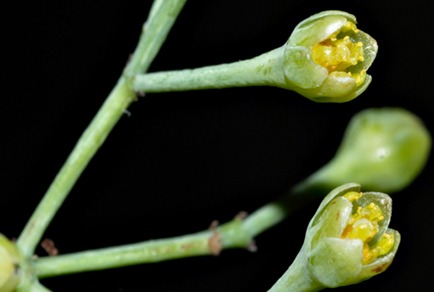
Nabasmita Malakar, R. Ganesan Phytotaxa | October 14, 2025 Apollonias is one of the taxonomically understudied genera of the family Lauraceae, which consisted of two disjunct distributed species, Apollonias barbujana from the Canary Islands, Spain and A. arnottii from Western Ghats, India. The key characteristic of the genus is the presence of bilocular anthers compared […]
Restoring Drylands: Policy Pathways, Governance, and Stakeholder Synergy for Ecosystem Revival
The chapter critically examines governance structures, participatory approaches, and policy frameworks for dryland restoration, with global case studies and recommendations for strengthening policy coherence and resource mobilization.
Direct Integration of Population Genetics and Dynamic Species Distribution Modelling Improves Predictions of Post-Glacial History of Piper nigrum
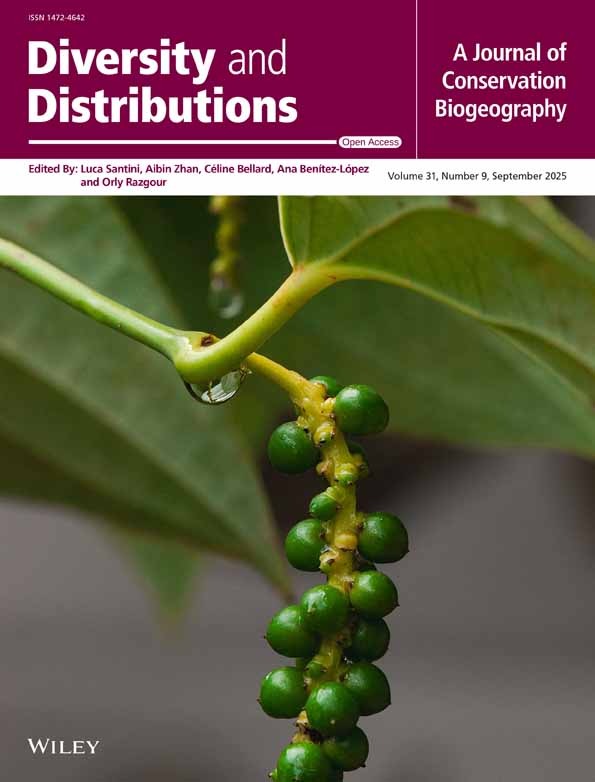
Climate change has a strong impact on species ranges and the genetic structure of populations, yet conclusions are often subject to large uncertainties when both are analysed independently. Here, we develop a novel framework to directly integrate population genetics and dynamic species distribution modelling to reduce such uncertainties when reconstructing the post-glacial history of black […]