


Technopolitics of water appropriation: How Mumbai claims hydrological dominance in its metropolitan region
Increasing urbanisation and unsustainable water use practices are intensifying water demand in cities, with over 80 large cities worldwide experiencing severe water shortages over the past two decades.In the past, cities could tap unclaimed water resources. However, with increasing water demand from urban, industrial, and irrigation sectors, along with growing competition for water, this is […]
Reading the Aravallis through maps and law [Analysis]
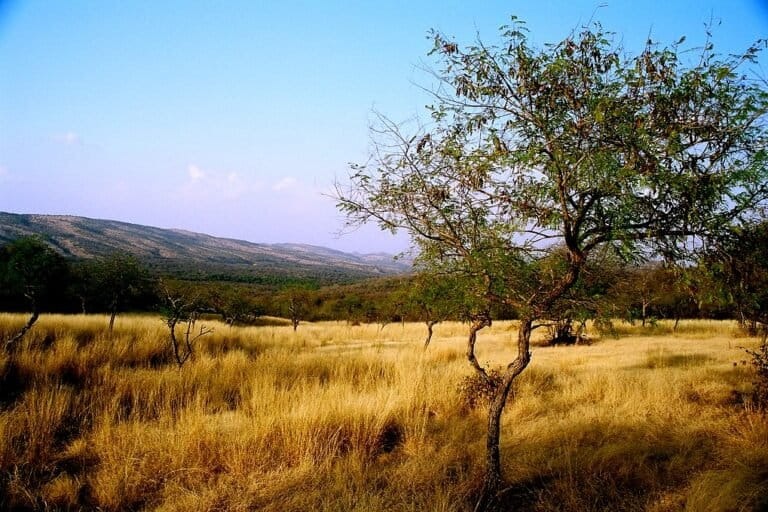
A spatial analysis across Aravalli states shows profound consequences of reframing the definition of what counts as a hill and range in one of the world’s oldest mountain systems. In Rajasthan, over 70% of the current Aravalli extent would lose protection with the new definition, if passed. In Gujarat and Haryana, the figure rises to […]
“Two new species of army ants belonging to the genus Aenictus Shuckard 1840 from the Eastern Ghats of India”
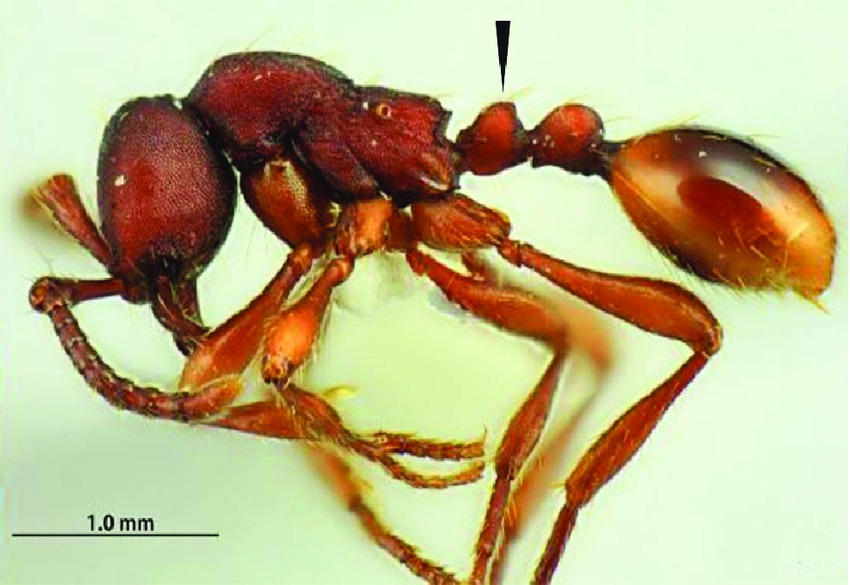
Academic description of Aenictus chittoorensis and Aenictus lankamallensis.
Two new species of army ants belonging to the genus Aenictus Shuckard 1840 (Hymenoptera: Formicidae) from the Eastern Ghats of India
These two new species of the army ant genus Aenictus (Shuckard, 1840), Aenictus chittoorensis sp. nov. and Aenictus lankamallensis sp. nov., are described from Andhra Pradesh, India, based on the worker caste. Aenictus chittoorensis sp. nov. belongs to the Aenictus philippinensis group, while A. lankamallensis sp. nov. belongs to the Aenictus javanus group. This study […]
Effect of Altruistic Surrogacy of Treefall on Herbaceous Flora Colonisation in Subalpine Forest of KhangchendzongaBiosphere Reserve, Eastern Himalaya, Sikkim, India
The present study represents the herb species’ colonisation on the fallen trees in the subalpine forests in the Khangchendzonga National Park (KNP) West Sikkim, Eastern Himalayas. Around 5 per cent of the forest floor was taken up by fallen logs in various stages of decomposition. The study indicated that there must be no less than […]
Effect of Altruistic Surrogacy of Treefall on Herbaceous Flora Colonisation in Subalpine Forest of Khangchendzonga Biosphere Reserve, Eastern Himalaya, Sikkim, India
The present study represents the herb species’ colonisation on the fallen trees in the subalpine forests in the Khangchendzonga National Park (KNP) West Sikkim, Eastern Himalayas. Around 5 per cent of the forest floor was taken up by fallen logs in various stages of decomposition. The study indicated that there must be no less than […]
Nature-based solutions and urban biodiversity conservation in the Global South
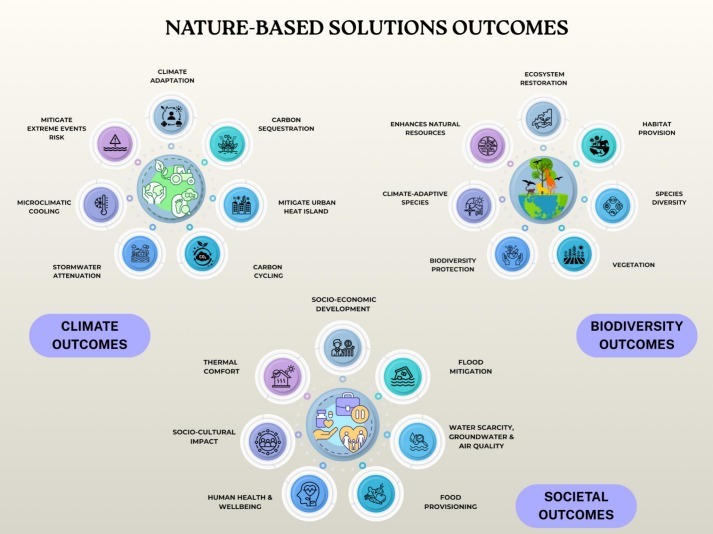
An analysis of 55 studies shows that nature-based solutions in the Global South positively impact biodiversity while delivering climate and social co-benefits.
On Mahua, Its People and the Markets: Reflections From Bastar, Chhattisgarh
This research note explores the changing place of Mahua (Madhuca latifolia) in the livelihoods of Gond and Dhurwa Adivasis…
A review of Chamalycaeus, Cycloryx and Dicharax species of the Himalaya and Myanmar and seven new species of Alycaeinae from the Blue Mountain, Mizoram, India
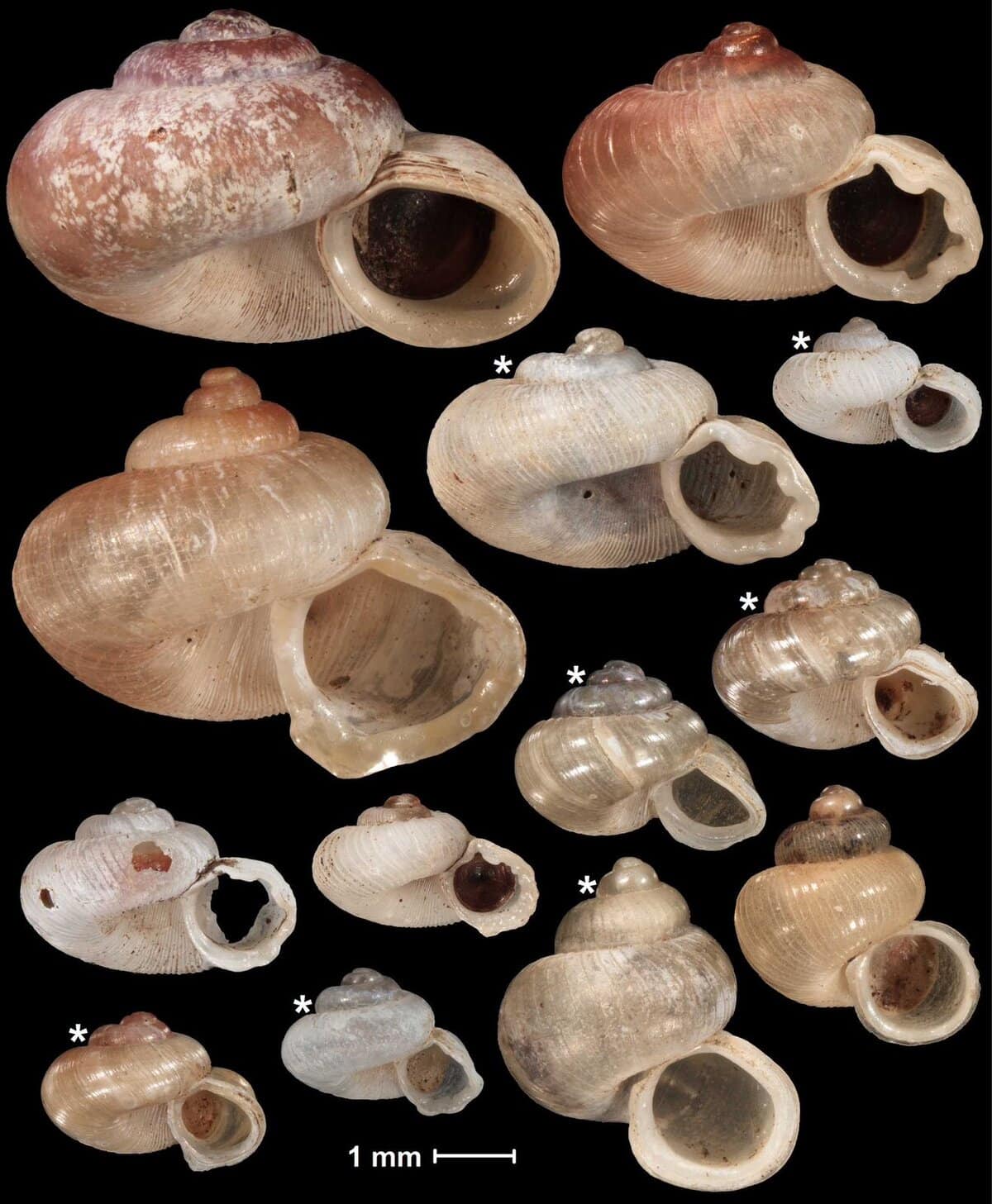
A comprehensive taxonomic review describing seven new species of Alycaeinae land snails from Mizoram, highlighting the region’s biodiversity significance.
Mislabeled and Misunderstood: Large Mammal Distribution Underscores Ecological Significance of Agro-Pastoral “Wastelands” in India’s Deccan Peninsula
Multi-use landscapes are now recognized for their value in supporting biodiversity and aiding species conservation, including charismatic megafauna. However, semi-arid open-canopy human-use landscapes have faced multiple anthropogenic stressors over the past centuries and have received meager conservation attention, especially in South Asia. A growing body of evidence suggests that such ecosystems, even with intermittent human […]