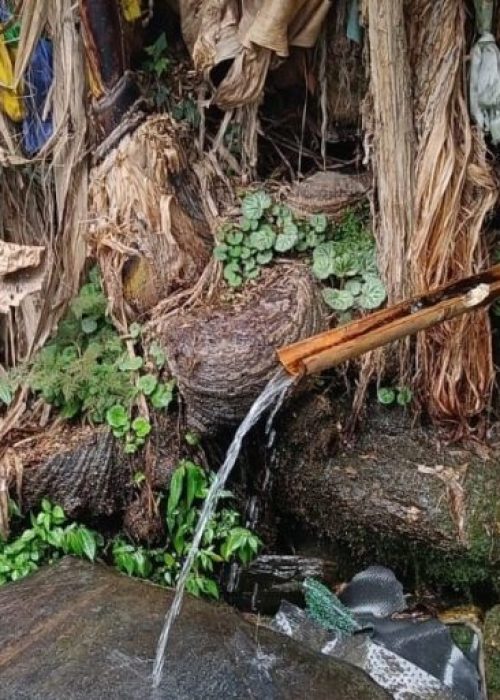
During Gangtok’s water crisis, springs continued to supply households, acting as a reliable water source alongside centralised water infrastructure. Most springs remain accessible common resources, protected through local practices, shared use, and strong cultural and religious connections. Protecting recharge zones, implementing springtide management, and formally incorporating springs into municipal water governance can strengthen climate resilience and future urban water security. The views in this commentary are those of the authors.