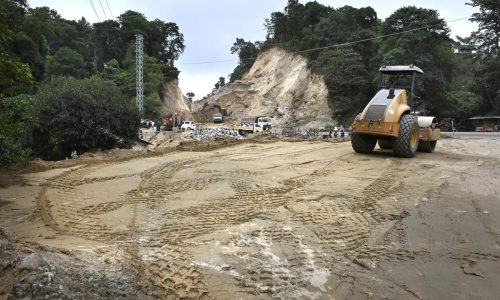
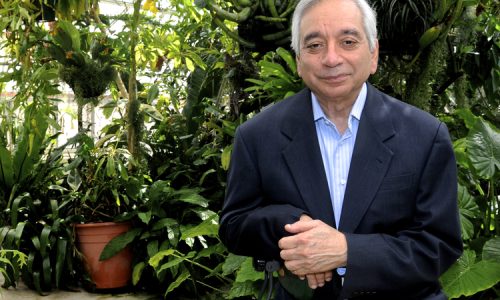
Climate resilience was a major focus of the dialogue, with discussions examining how glacier retreat, changing river systems, extreme weather and mounting pressure on mountain ecosystems affect communities and have wider implications for water security, disaster preparedness, biodiversity, infrastructure and livelihoods. In a special address on ‘Transformative Approaches for Developing Resilient Himalaya’, Padma Shri Eklabya Sharma
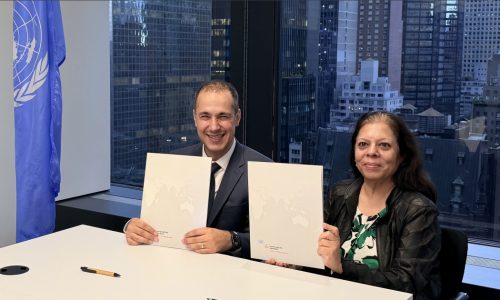
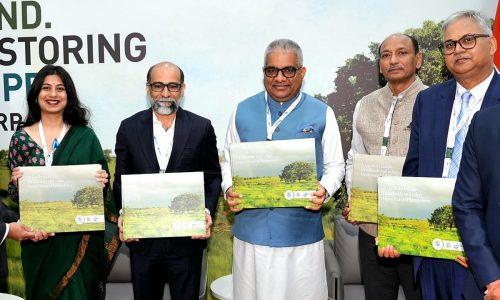
The United Nations University Institute for Water, Environment and Health (UNU-INWEH) and the Ashoka Trust for Research in Ecology and the Environment (ATREE) have signed a Memorandum of Understanding (MOU) to strengthen collaboration on policy-relevant research, capacity building and knowledge exchange focused on environmental and sustainable development challenges in the Himalayan region.
Throughout World Water Week, under the 2026 theme Water for People and Progress thousands of participants from different countries, sectors and backgrounds will be asking what it takes to make that happen. The question runs through hundreds of conversations shaping our water future.
India’s forests provide significant economic and livelihood benefits, particularly for people who depend on forest ecosystems for food, employment and resources.
Forests provide many ecosystem services that are often not reflected in market-based assessments.
Forest ecosystem valuations can strengthen conservation, but researchers stress the need for more consistent methods and for these findings to reach forest-dependent communities, policymakers and younger generations.
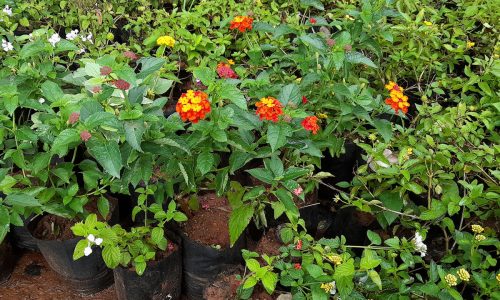
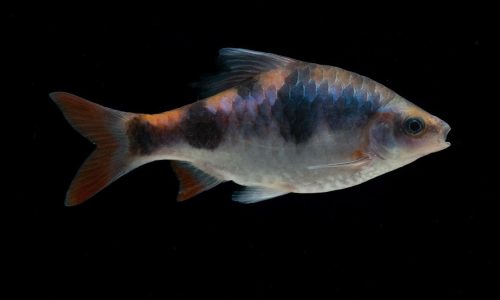
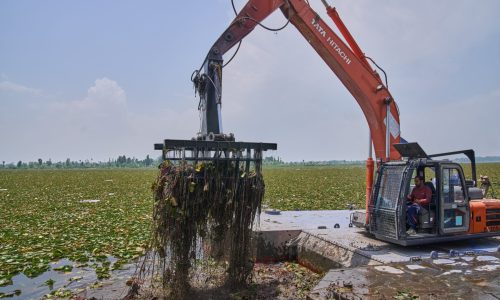
Researchers from the Ashoka Trust for Research in Ecology and the Environment (ATREE) and Yenepoya (Deemed to be University) examined how the proposed network of 15,000 kilometres of canals and 3,000 reservoirs would alter India’s biological landscape. The researchers discovered that areas the government hopes to protect, such as biodiversity hotspots like the Krishna, Godavari, and Western Ghats, are the most vulnerable to these biological invasions. By linking these basins, the project could facilitate the movement of 15 notorious invasive species into previously isolated habitats. The 15 invasive alien species (IAS) studied include a variety of plants, such as the Water hyacinth and Water lettuce; fish, such as the African catfish, Common carp, Guppies, and Suckermouth catfish; molluscs, such as the Acute bladder snail; and one reptile, the Red-eared slider.