


Increasing numbers of the Indian peafowl worry farmers [Commentary]

The Indian peafowl, the national bird of the country, is a cultural icon and is protected by wildlife laws. However, in the eastern Himalayas, the bird also causes significant agricultural damage, exacerbating tensions in communities reliant on subsistence farming. Conservation cannot succeed by celebrating wildlife while overlooking the burdens borne by those who live alongside […]
The collateral damage of Bengaluru’s war on waste
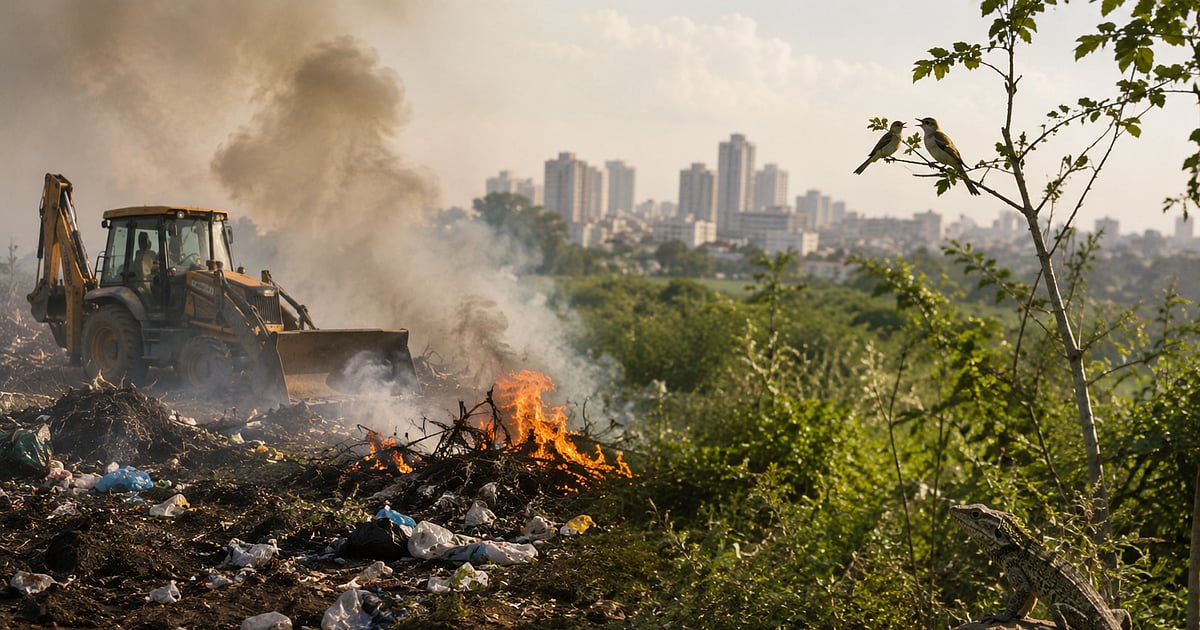
The sounds of an earthmover and an incessant alarm call from a pair of tailorbirds shook the Sunday morning stillness. The owner of the neighbouring vacant plot had engaged someone to clear the land. Half an hour later, there was smoke – all the vegetation and garbage had been piled up and set on fire. […]
Campus green spaces as refuges for biodiversity in the rapidly urbanising Himalayan landscape
As the urban Himalayan town expands into forests and nearby agricultural land, much of the region’s biodiversity is now confined to small and fragmented green spaces within urban areas. These patches, although small, provide essential ecosystem services to the citizens, support regional biodiversity and regulate local climate. Among these spaces, college and school campuses stand […]
Takes Two to Tango

While government records boast large numbers of recognised “community rights” titles, the reality on the ground tells a different story. For the FRA to truly succeed, what is required is a hybrid approach, one that blends community-led legitimacy with administrative support and clear timelines.
Grasslands: The Hidden Life
The article explores the microbial diversity across India’s main grassland ecosystems, ranging from the Banni and Terai to the Alpine Bugyals and Shola grasslands, urging visualization of soil health as connected to the global “One Health” framework.
The FRA promise

Two decades after the Forest Rights Act became law, the record is uneven. While the law offers a democratic framework for forest governance, its transformative potential is unrealised due to weak implementation and resistance from bureaucrats
The governance, rights face-off

Between paper and forest floor, an entrenched bureaucracy, aided by an indifferent political class, has managed to subvert the FRA’s most radical promise of genuinely democratic, grassroots governance of forests.
Why the FRA matters in Arunachal
Arunachal Pradesh’s forests, covering 80 per cent of its area, remain inseparable from the ancestral homeland of the indigenous Scheduled Tribes, who account for two-thirds of the State’s population. Every activity linked to land—cultural, material, and commercial—is, in one way or another, linked to forests. Even at first glance, the Forest Rights Act (FRA) would […]
Exploring Continuity and Change in ‘India’s Forests’
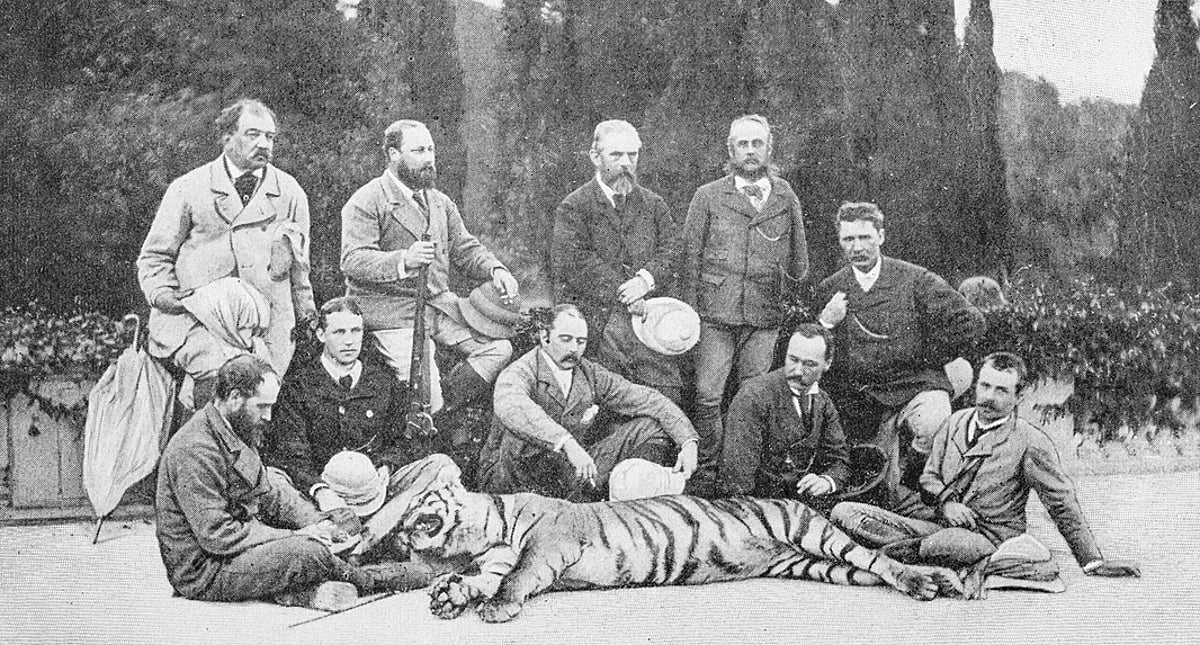
Environmental scholars should also produce a similar volume on wetlands, rivers and coastal ecosystems, that also have long histories of diverse human interactions, ranging from worship to destruction
Should MSP Become A Legal Right? Constitutional Debate Around C2 Formula