




Floral Feasts of Sikkim and Darjeeling
Sharing an article I wrote for Goya on the edible flowers of Sikkim and Darjeeling: how they’re foraged, cooked, and used in everyday food. This article is about more than recipes. Through the edible flowers of Sikkim and Darjeeling, it weaves together traditional knowledge, family stories, and memories of food passed down through generations. But […]
India’s UNESCO Tentative List now has 78 entries. What changes on the ground?

A Tentative List entry is a step towards nomination, not a new layer of legal protection. In the Andaman and Nicobar Islands, that distinction decides what recognition is worth
Before India prices its grasslands
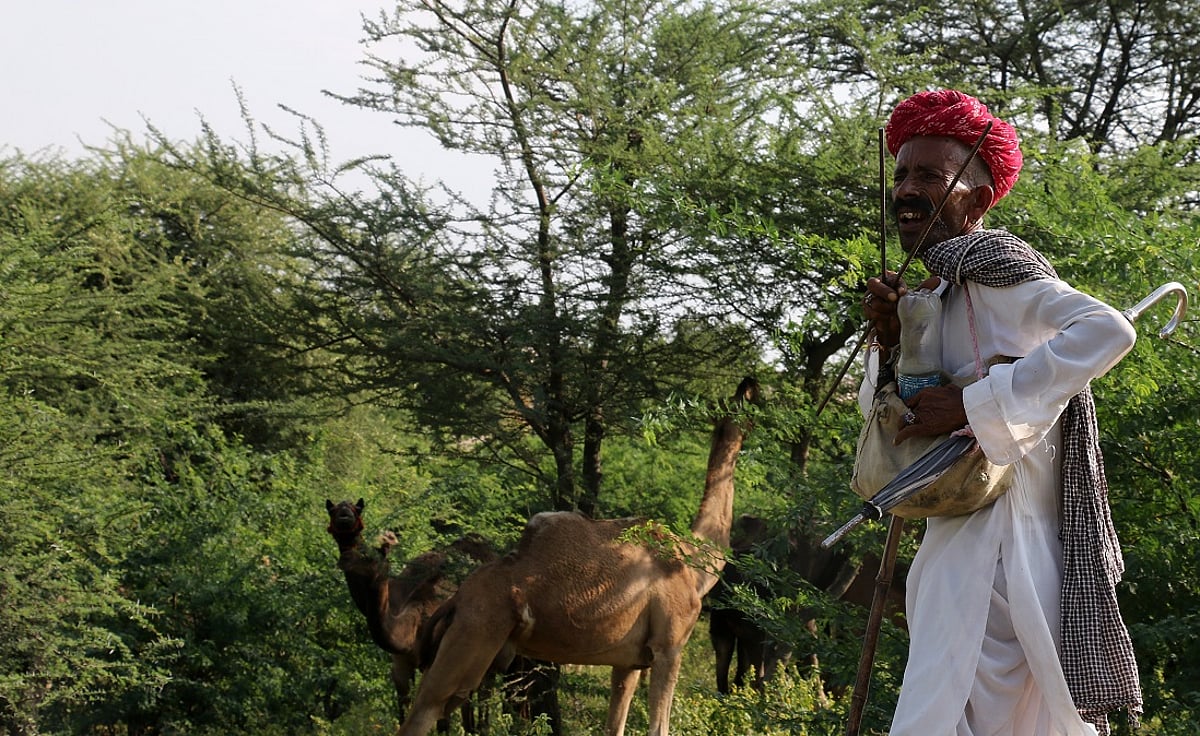
How India’s grassland carbon and biodiversity credit schemes risk sidelining pastoral commons and consent
Beyond STPs: Why reliable sewage networks are key to cooling India’s data centres

Recent media reports have made two important arguments about India’s rapidly expanding data-centre industry: that treated wastewater can meet much of its cooling needs, reducing competition with households, rivers and aquifers for freshwater; and that the problem cannot be blamed on data centres alone but reflects the deeper failure to govern water as a scarce […]
Persons of forest, prisoners of men: How orangutans turn up in India

The orangutans – ‘Orang Hutans’ in Bahasa, which translates to “persons of the forest” – spend their time on treetops, feeding on fruits, leaves, bark, or flowers. Read more at: https://www.deccanherald.com/opinion/persons-of-forest-prisoners-of-men-how-orangutans-turn-up-in-india-4144588
Himachal Pradesh is introducing Australian Merino sheep in its hills to ‘enhance’ its wool economy. But at what cost?

In Himachal Pradesh, a wool development programme has been underway since 2021, with a target of achieving 3,000 tonnes of wool production by 2027. Initiated under the National Livelihood Mission at a cost of Rs 6 crore, the programme began with the importation of Merino sheep from Australia, known for their fine-quality wool and high […]
More than weeds: Why herbicide-tolerant mustard doesn’t fit Indian farms

India’s long-delayed transgenic mustard hybrid DMH-11, engineered for herbicide tolerance, is being pushed as a solution to low yields and rising edible oil imports. But critics argue HT mustard clashes with India’s smallholder, mixed-cropping systems, threatens non-crop biodiversity, pollinators and nutrition sources, and deepens dependence on costly chemical inputs despite official promotion of low-input farming.
“Thukpa is what people reach for when they are sick, or cold, or missing something they cannot name”

It profiles Passang Dolma, who runs Dear Cafe in Dhondenling, the Tibetan settlement near the Biligiriranga Hills, and traces how thukpa has adapted to local sourcing (beef instead of yak, celery and peppers from nearby villages, no chhurpi) and to a tourist-driven food economy.
Increasing numbers of the Indian peafowl worry farmers [Commentary]

The Indian peafowl, the national bird of the country, is a cultural icon and is protected by wildlife laws. However, in the eastern Himalayas, the bird also causes significant agricultural damage, exacerbating tensions in communities reliant on subsistence farming. Conservation cannot succeed by celebrating wildlife while overlooking the burdens borne by those who live alongside […]
The collateral damage of Bengaluru’s war on waste
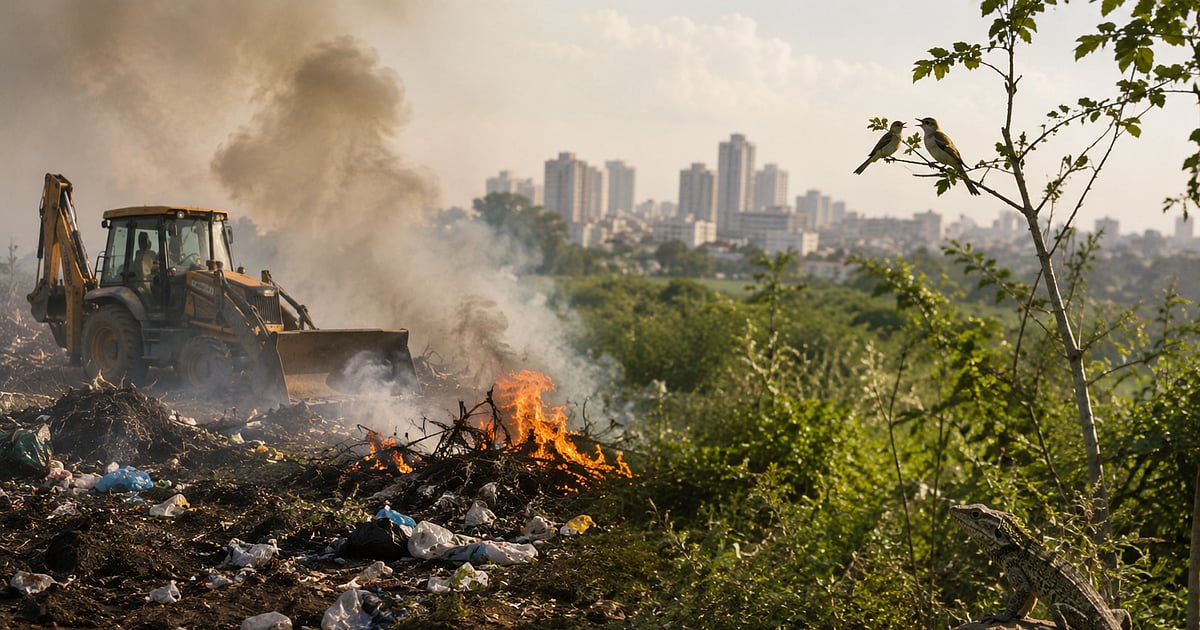
The sounds of an earthmover and an incessant alarm call from a pair of tailorbirds shook the Sunday morning stillness. The owner of the neighbouring vacant plot had engaged someone to clear the land. Half an hour later, there was smoke – all the vegetation and garbage had been piled up and set on fire. […]