



SANDS AND GRASSES OF ‘GOLD’:VALUING RAJASTHAN’S OPEN NATURAL ECOSYSTEMS FOR PEOPLE, CLIMATE AND BIODIVERSITY
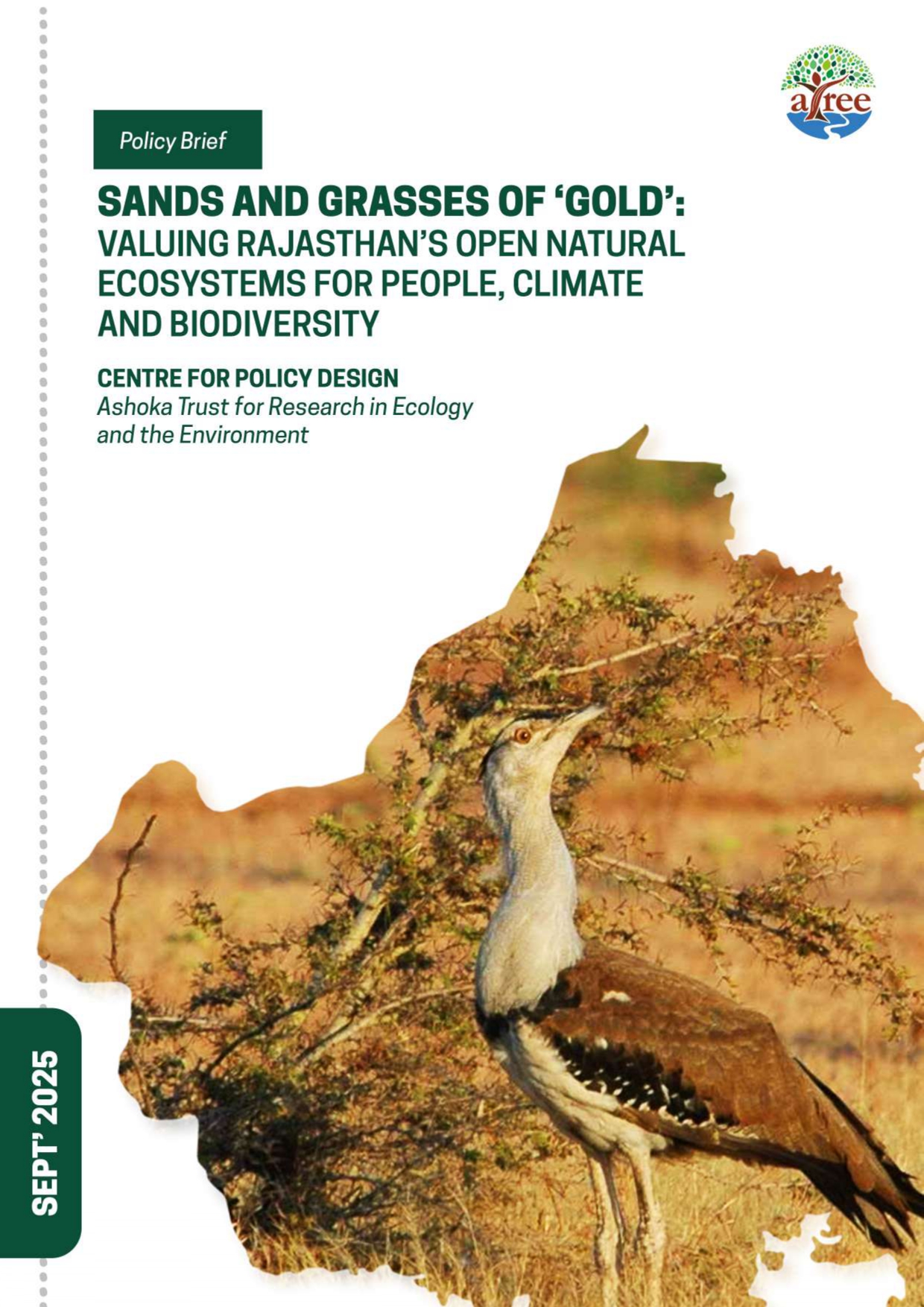
This policy brief proposes a strategic roadmap for the sustainable management of Rajasthan’s Open Natural Ecosystems (ONEs), with actionable policy recommendations for state departments.
INTEGRATING FOOD, WATER AND ECOLOGY FOR A SUSTAINABLE BENGALURU
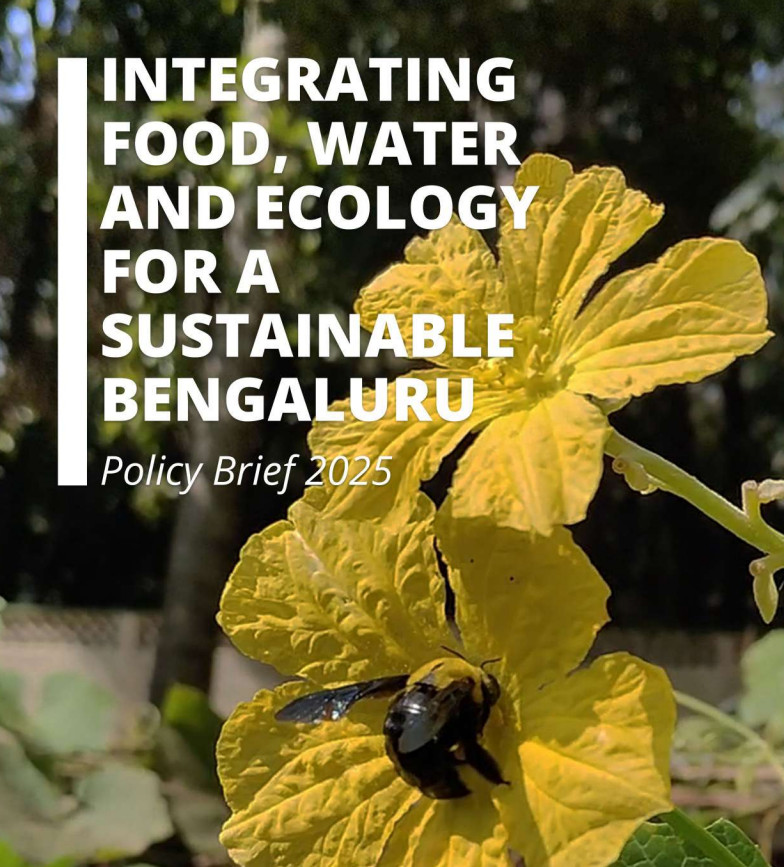
Bengaluru’s rapid urbanisation has intensified pressures on its food, water, and ecological systems, creating growing imbalances that threaten sustainability and equity. This policy brief underscores the urgency of re-integrating these interdependent systems to enable a resilient, inclusive, and climate-responsive city. It highlights how the disconnections between food production and consumption, fragmented water governance, and the […]
Mainstreaming Nature-based Solutions for a Sustainable Bengaluru
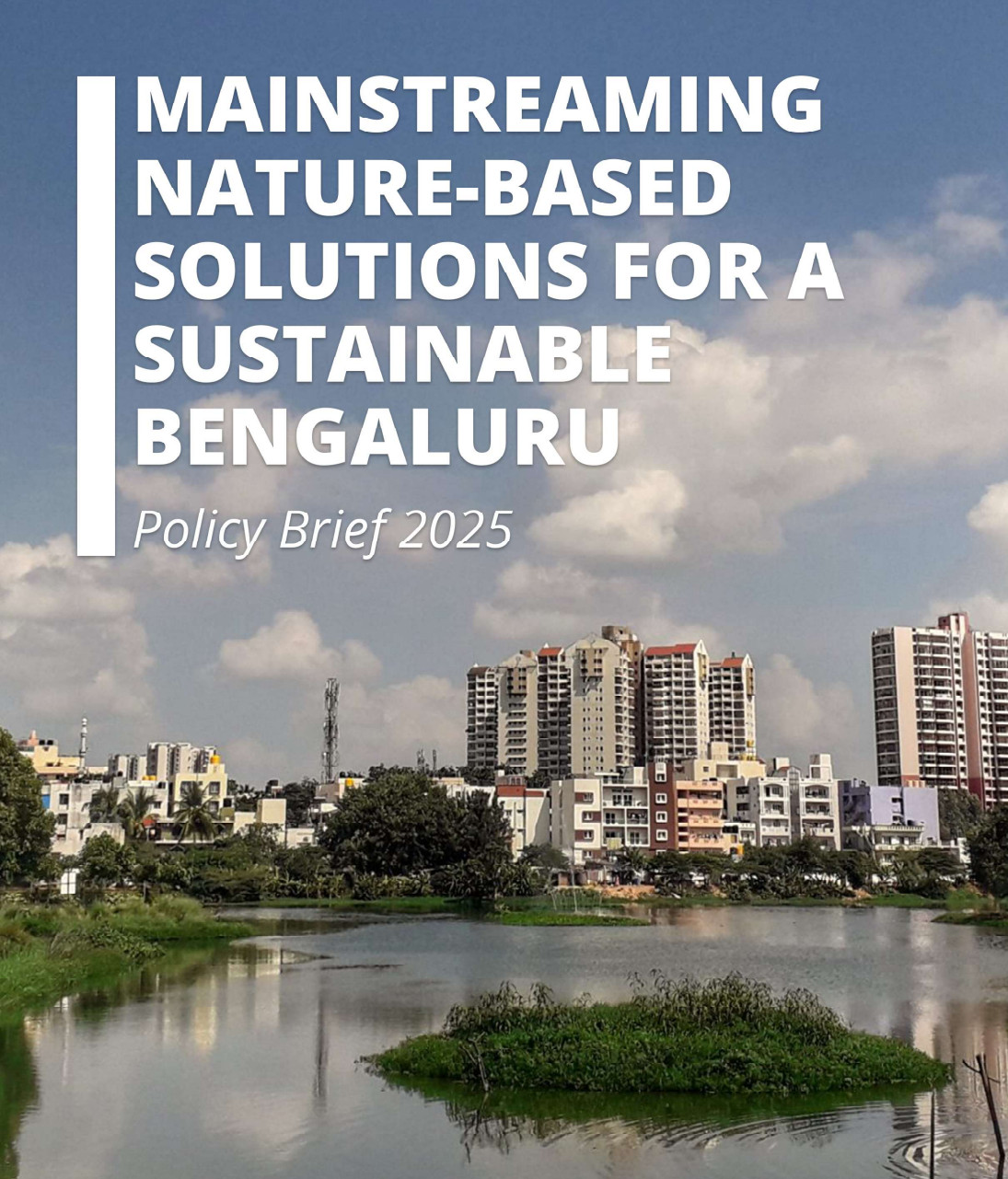
his policy brief advocates for the mainstreaming of Nature-based Solutions (NbS) as an integrated approach to address Bengaluru’s interconnected challenges of rapid urbanisation, ecological degradation, and climate vulnerability. Grounded in collaborative research in the city, it highlights the potential of NbS to simultaneously enhance urban resilience, restore ecosystems, and improve the quality of life for […]
Response to Draft Notification on the Western Ghats Ecologically Sensitive Area (MoEFCC)
The MoEFCC’s draft notification dated 31 July, 2024 proposed designating 56,800 sq km of the Western Ghats spanning 6 states as an ecologically sensitive Area (ESA) under the Environment (Protection) Act, 1986. CPD and the Vidhi Centre for Legal Policy submitted a joint response suggesting improved monitoring, enforcement, stakeholder engagement, and sustainable development within the […]
Navigating the Streets
Gautam Aredath, Abi T. Vanak Indian Public Policy Review | November 30, 2023 The Indian government’s approach to dog population management for the last two decades –the animal birth control (ABC) program –has yielded poor results. Aside from its implementation failures, the ABC is scientif ically unsuited to the scale and severityof the harms posed […]
Public Consultation on Draft Methodology for Tree Plantation Based Green Credits (MoEFCC)
The Government of India announced its draft guidelines for tree plantation-based green credits and asked for comments via a public consultation. CPD laid out recommendations and revisions along with other contributors from ATREE and other experts in the sector in November 2023.
Community-conserved areas in India:opportunities and challenges
Dr Sushil Saigal, Dr Aditya Gangadharan, Ms Sunpreet Kaur, Dr Shaleen Singhal ICASS Policy Brief Community-conserved areas (CCAs)1 are sites that are voluntarily conserved by local communities for a diversity of reasons including their biodiversity values, cultural significance, and ecosystem services. They may include natural or anthropogenic ecosystems and their management may be determined by […]
C-20 conference in Tirupati lays stress on identifying traits of oneness – The Hindu
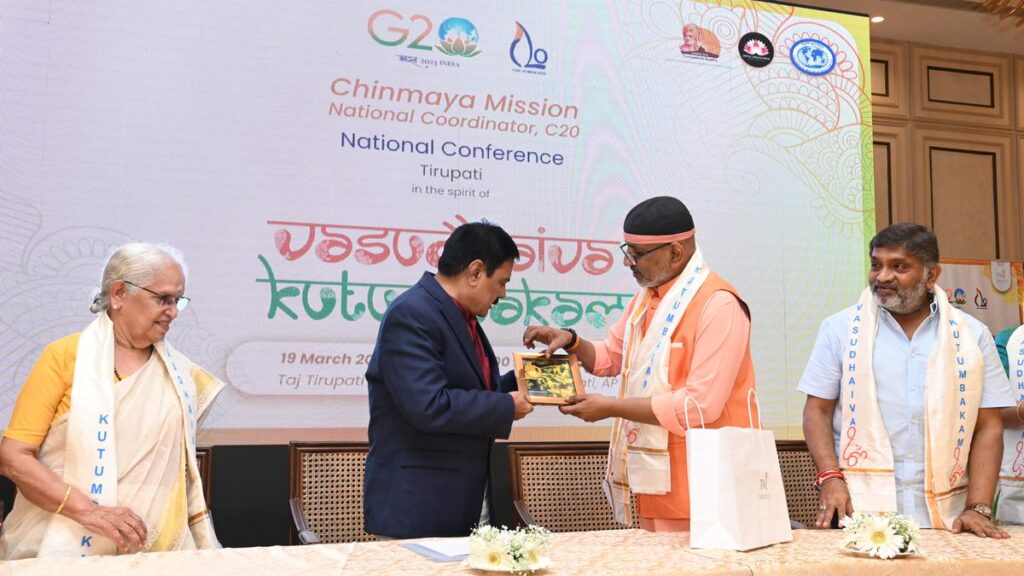
https://www.thehindu.com/news/national/andhra-pradesh/c-20-conference-in-tirupati-lays-stress-on-identifying-traits-of-oneness/article66638855.ece
Towards evidence-based policymaking: India’s open-data Initiatives
https://www.orfonline.org/research/towards-evidence-based-policymaking-indias-open-data-initiatives/
CFR Baiga Chak team’s presentation to the taskforce for implementation of PESA & FRA in Madhya Pradesh
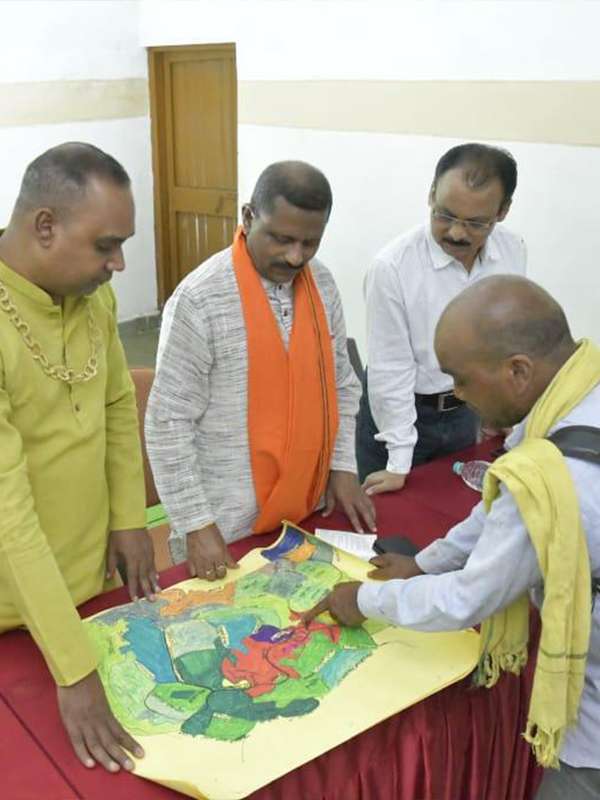
9 July, 2023 Members of the task force appointed by the Madhya Pradesh state government visited Dindori District. The task force has been constituted for the effective implementation of PESA and FRA in the state. Dr. Sharad Lele is a member of the task force. ATREE’s Baiga Chak team gave a presentation on the situation […]