




Back to the roots
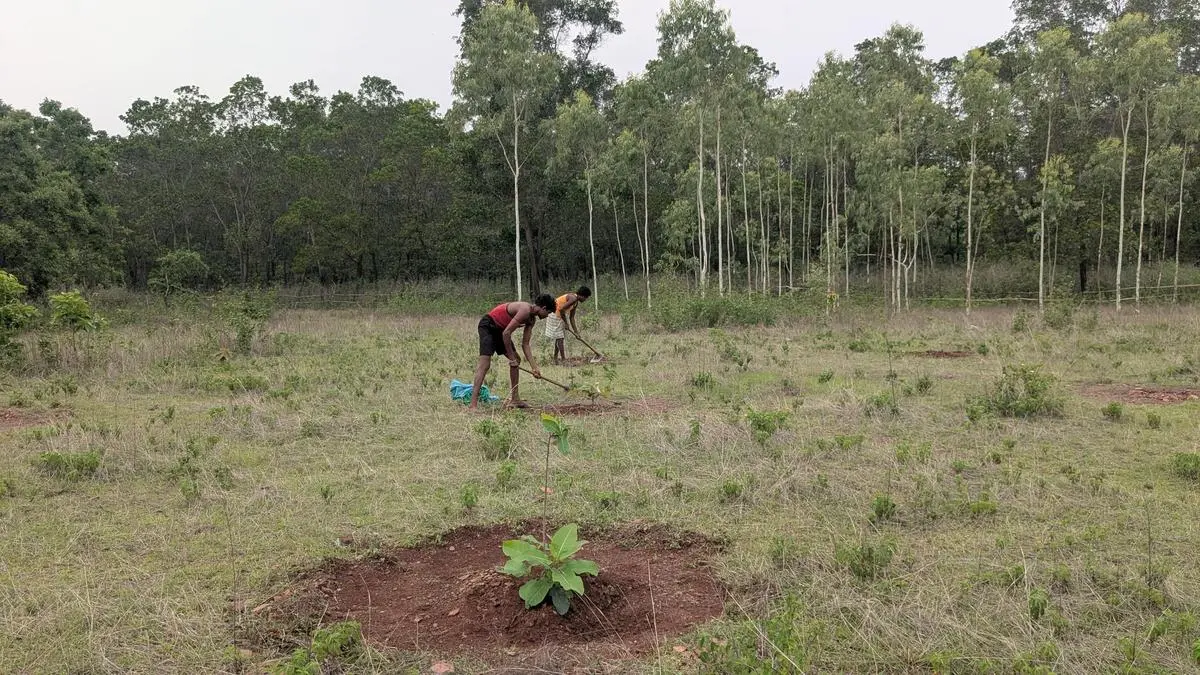
Gram sabhas demonstrate that everyday knowledge of the forest yields better outcomes than top-down ideas driven by a government-knows-best attitude.
Fortress conservation versus traditional forest management: the example of Soliga tribal people from the Western Ghats, India
Wildlife conservation is typically achieved by excluding, evacuating or alienating the rights of Indigenous peoples and local communities (IPLCs). This fortress conservation approach has led to uprooting, ongoing distress and despondency among many IPLCs worldwide. However, in the expansive and deep forests of the Western Ghats, India, the Biligiri Rangaswamy Temple Wildlife Sanctuary (BRTWS) offers […]
Distribution and niche dynamics of invasive
Invasive species pose the greatest threat to biodiversity, having a significant impact on the native biota and ecosystems. With the added challenge of climate change, it remains uncertain how these invasive mammals will spread globally in the future. Using species distribution modelling, we assessed the potential distribution of 64 invasive mammals and identified hotspots of […]
Online plant trade in India: species inventory and invasion risk assessment

The study compiled an inventory of plants sold on India’s major online nursery platforms and assessed their invasion risk. Of 1,856 species recorded, alien species (1,371) far outnumbered native ones (480). We found that 327 species invasive elsewhere in the world, and 57 already invasive within India, are freely available for purchase online. The findings […]
New species of Elaphropoda Lieftinck, 1966 and Habropoda Smith, 1854 (Hymenoptera, Apidae) from Arunachal Pradesh, India
A team of scientists from the Ashoka Trust for Research in Ecology and the Environment (ATREE), Bengaluru, has discovered two new species of rare solitary bees in Arunachal Pradesh. Discovered during the recent Siang Expedition, the findings—published in the European Journal of Taxonomy—not only expand India’s documented biodiversity but also highlight the pressing need to […]
A New Species of the Trapdoor Spider Genus Tigidia Simon, 1892 (Araneae: Barychelidae) From the Deccan Plateau, India
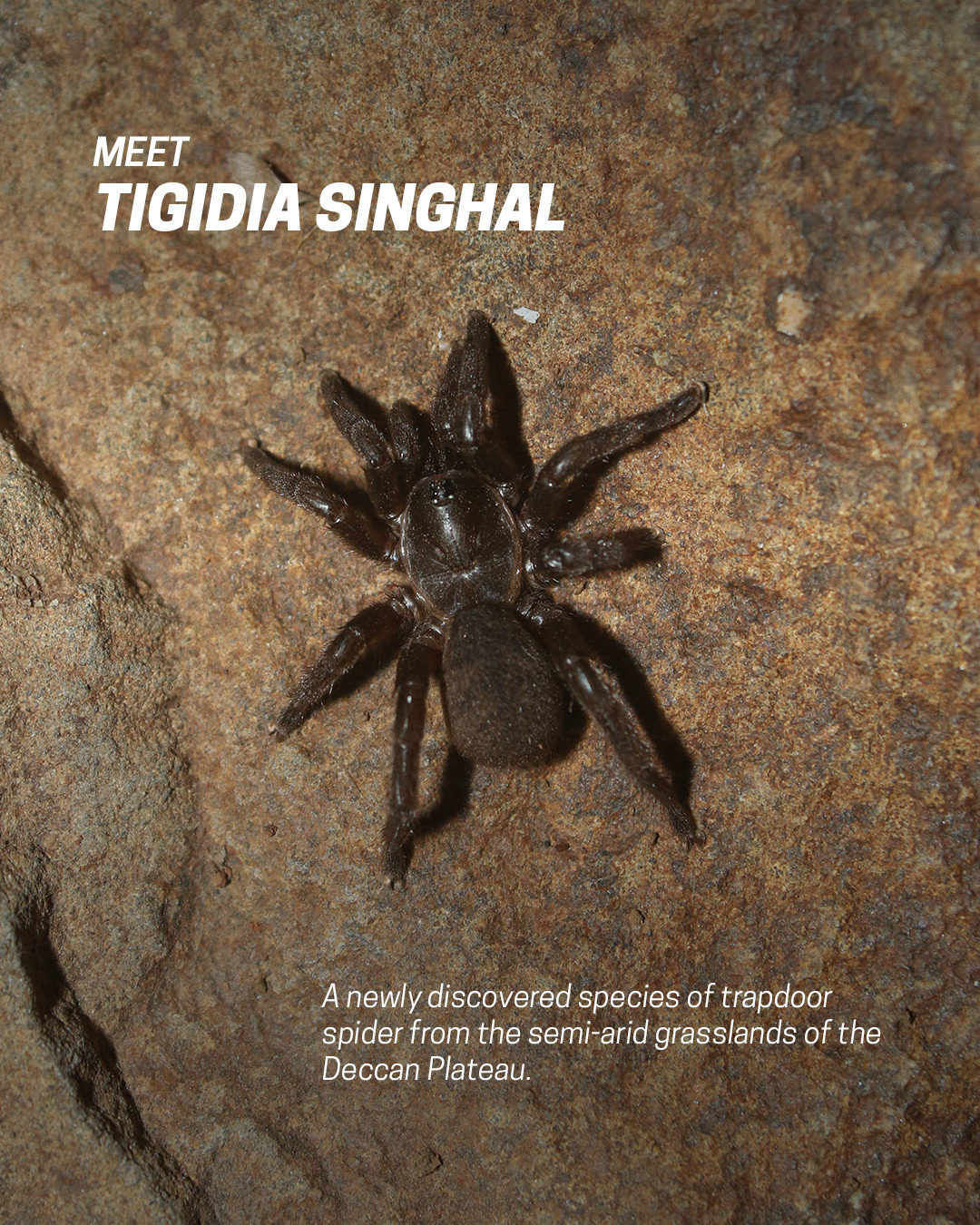
A new species of trapdoor spider, Tigidia singhal sp. nov., is described from the semi-arid grasslands of the Deccan Plateau in Maharashtra, India. Detailed morphological descriptions, measurements, and illustrations of the holotype female are provided. This discovery marks the first record of the genus Tigidia from a semi-arid, open natural ecosystem, significantly expanding its known […]
Land Control and Marginalisation Under Fortress Conservation: Insights from the Amrabad Tiger Reserve, India
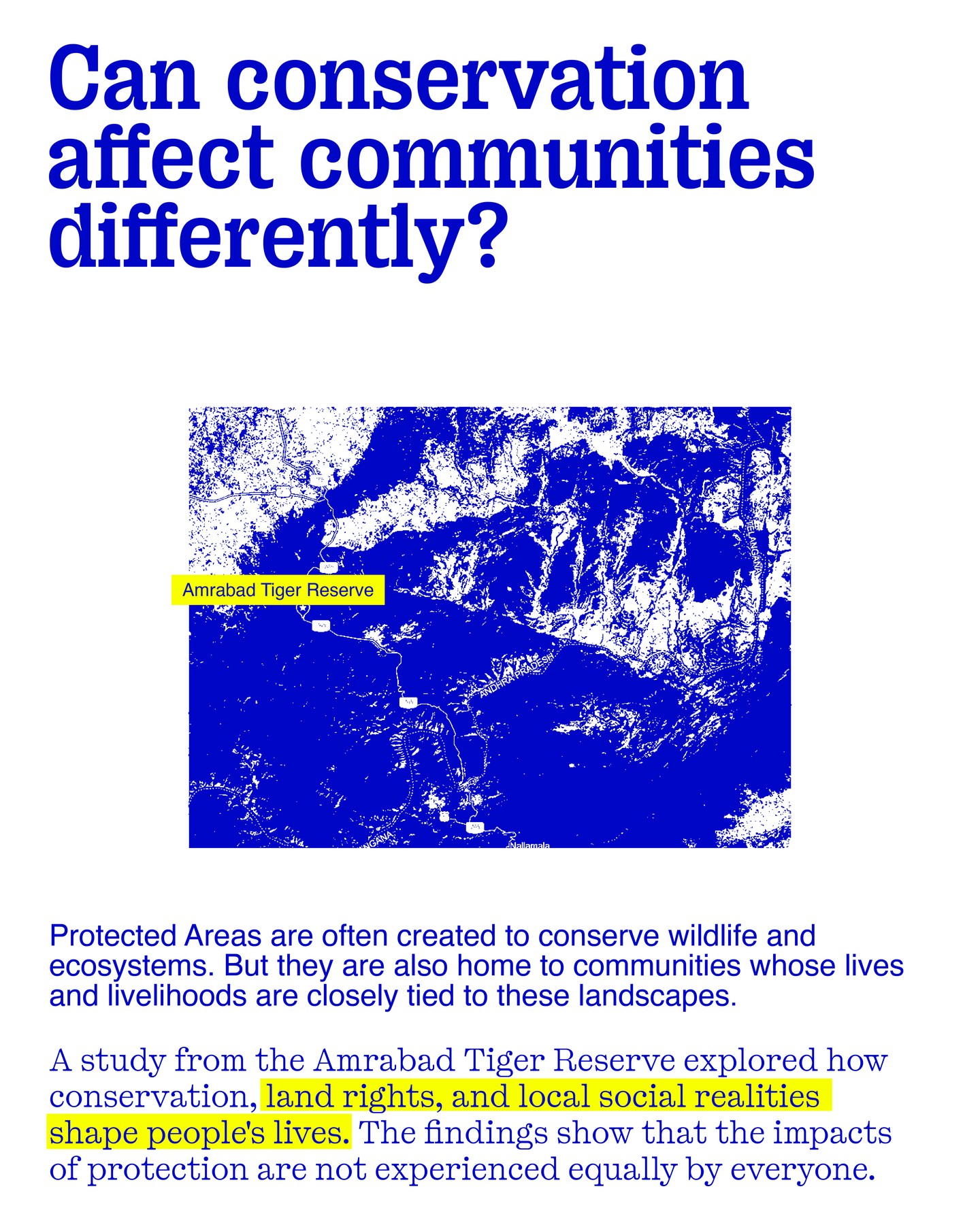
This study examines how fortress conservation can reinforce existing social inequalities. Drawing on evidence from India’s Amrabad Tiger Reserve, it explores the ways in which conservation interventions intersect with agrarian structures and caste relations to shape differentiated experiences of marginalisation. The findings underscore the importance of recognising how conservation policies may have uneven impacts across […]
Phylogeny and Biogeography of the Land Snail Genus Cyclophorus Montfort, 1810 (Caenogastropoda: Cyclophoridae) Reveal the Evolutionary History of Indian Taxa
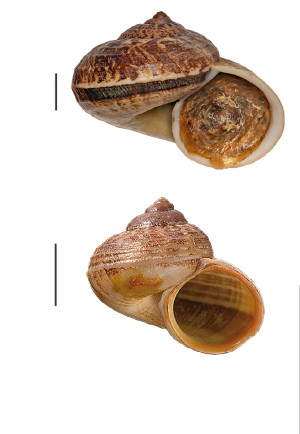
Cyclophorus Montfort, 1810 is a widespread genus of operculate land snails distributed across South and Southeast Asia, with its westernmost limit in the Western Ghats of India. Despite its broad distribution, the evolutionary origin of the genus and the biogeographic history of Indian taxa remain unresolved due to the absence of molecular data from India. […]
New species of Georissa (Gastropoda: Hydrocenidae) and Acmella (Gastropoda: Assimineidae), with new records of Georissa from Northeast India
The present study describes one new species each of Georissa and Acmella from Northeast India. Georissa meghalayaensis sp. nov. and Acmella bensoni sp. nov. are described from Krem Puri, Meghalaya. In addition, Georissa sp. was newly recorded from a soil-leaf litter sample collected at the Sadu Chiru waterfall area in Manipur, and Georissa sarrita was […]
Shifting linkages: Agro-pastoralism changes in the Upper Spiti Landscape and the emerging role of free-ranging dogs
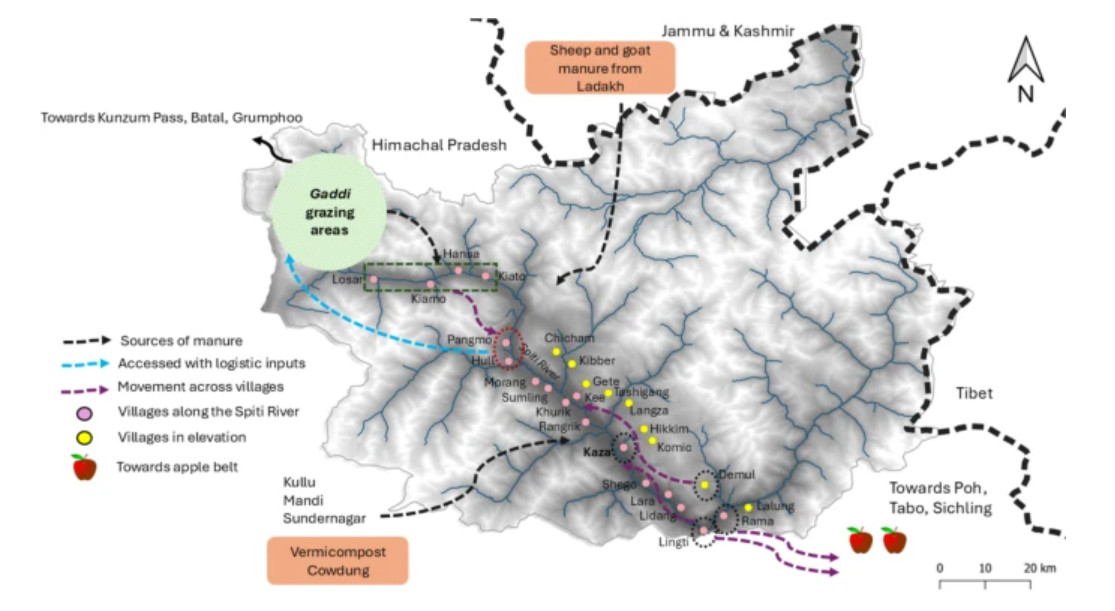
The Himalayan mountains have been going through a series of ecological and social transformations. In systems where communities depend on natural resources, externalities in government policies and development interventions can have unexpected consequences for people–environment relationships. Our study investigates agro-pastoralism changes across a decade in the Upper Spiti Landscape in Himachal Pradesh, India. It evaluates […]