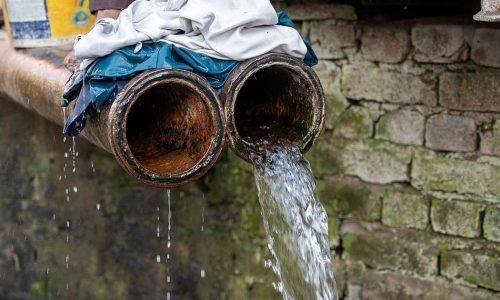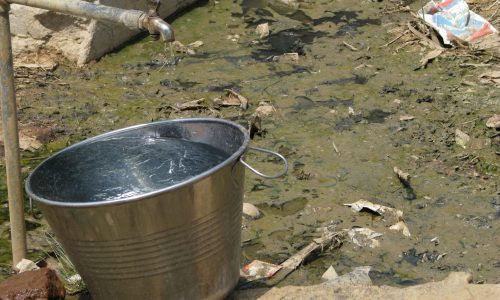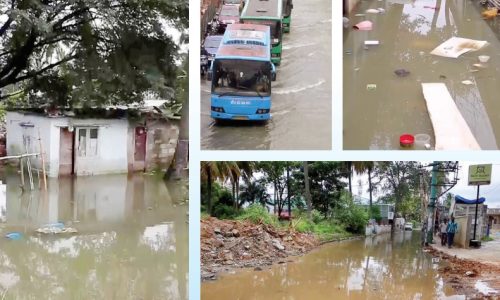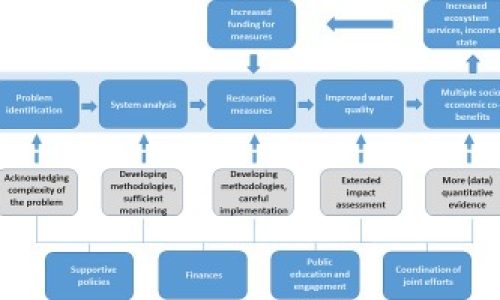
Wastewater treatment infrastructure has not kept pace with rapid urbanization in many large cities across the tropics. This has resulted in severe organic pollution affecting urban lakes and reservoirs, with lakeside communities demanding action to protect and restore the water resources. This study compares two restoration interventions aimed at addressing the quality and quantity of inflows of untreated wastewater: diversion channels and sewage treatment and compares these with no intervention measures. The study examines how choice of intervention impacts water quality and the delivery of ecosystem services across eight urban lakes in Bengaluru. The results indicate that, while diversion channels can significantly improve water quality in the target lake, they also present trade-offs that may affect other ecosystem services such as commercial fisheries, groundwater recharge and flood regulation, as well as pushing the wastewater problem downstream. Interventions need to be aligned with the intended uses and management priorities across the city scale. Effective wastewater treatment is clearly the ideal solution for cities, but when wastewater infrastructure is lacking, diversion channels provide some localized benefits. Even with sewage treatment, our study shows that a mix of other local interventions, including constructed wetlands, may be necessary, particularly in tropical monsoon climates, to achieve water quality to sustain biodiversity, fisheries and other provisioning, regulatory and cultural services.