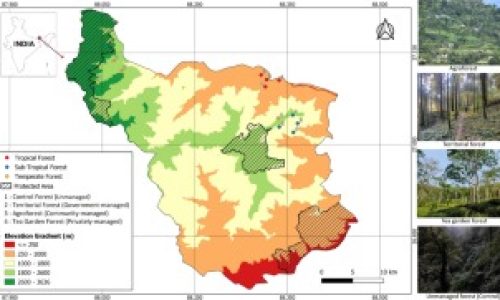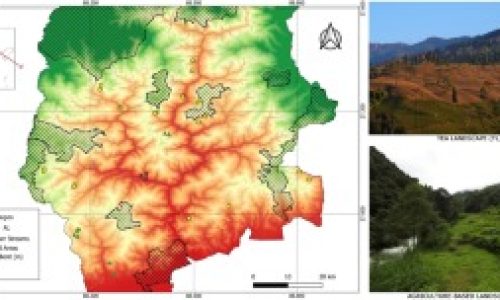
Woodpeckers, as keystone species, are critical indicators of forest ecosystem health due to their cavity excavation and sensitivity to habitat changes. Woodpecker diversity is hypothesized to correlate with that of other bird groups due to their role as indicators of habitat quality, resource availability, and ecological integrity. This study evaluates the potential of woodpeckers as indicators of non-picid bird diversity across seasons in the non-protected forests of Darjeeling, Eastern Himalaya. Bird community and forest attribute data were collected from 24 transects across elevations of 200–2300 m over four seasons.