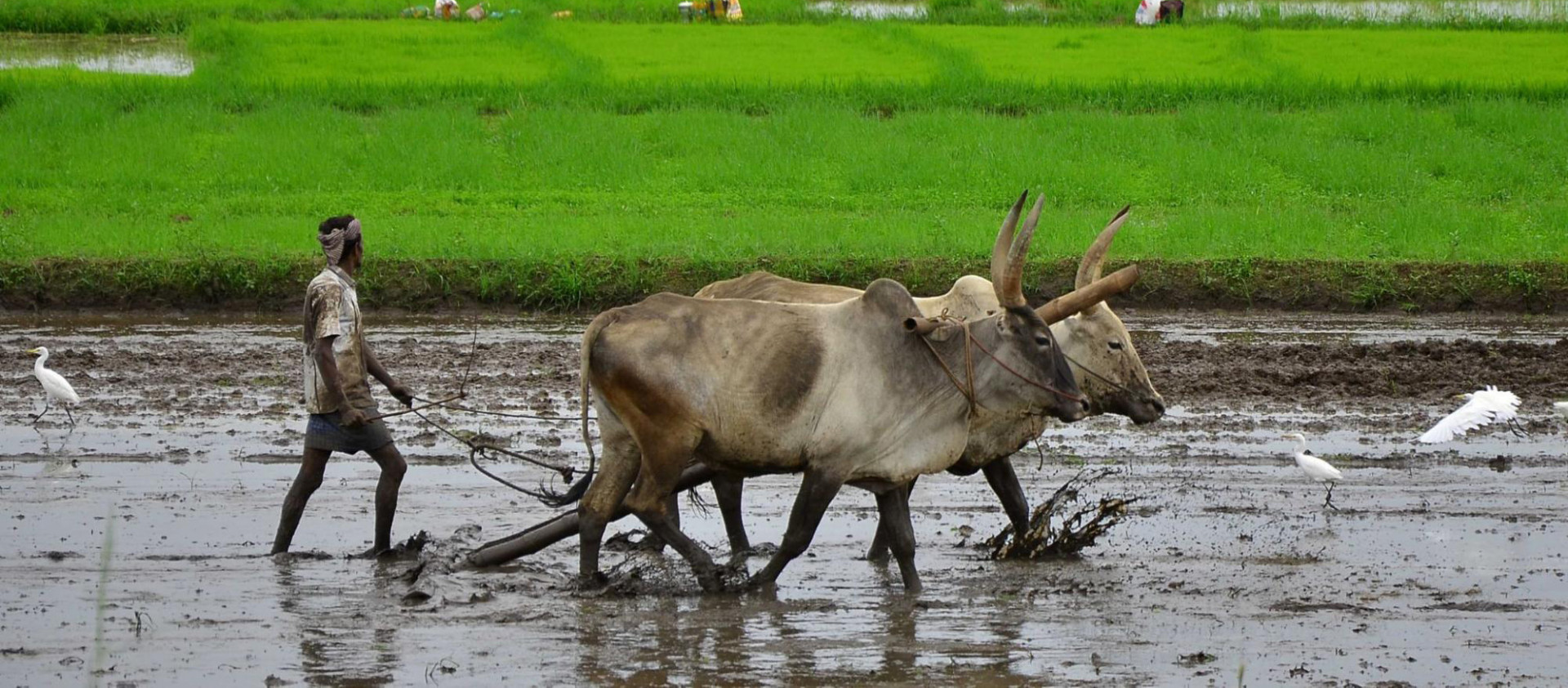
Conservation policy and science respond to biodiversity loss through spatially bounded measures, such as protected areas (PAs), reserves, and corridors. At the same time, agricultural landscapes adjacent to PAs are being transformed into spaces that promote biodiversity-positive agriculture through agroecology, agroforestry and organic farming.
Forests, grasslands and farms together form multifunctional landscapes that maintain critical ecosystem functions and services, while supporting human well-being. This landscape approach is central to UNESCO’s Man and the Biosphere (MAB) Programme, through which Biosphere Reserves (BRs) were created globally. BRs represent key biogeographic regions and feature a range of human interventions, designed to reconcile conservation and sustainable development through core, buffer and transition zones.
This programme aims to establish empirical and conceptual connections between ecosystem services/disservices and human well-being across multifunctional mountain landscapes. Landscape-based management here demands interdisciplinary and transdisciplinary collaboration, integrating ecology, social sciences, governance and traditional knowledge systems.
Goal
To enhance landscape multifunctionality and socio-ecological resilience in three mountain Biosphere Reserves over the next ten years.
Objectives
In response to climate and land-use change, the programme will design comparative interdisciplinary and transdisciplinary frameworks for research, action and policy to regenerate ecosystem services and enhance human well-being in multifunctional landscapes of Biosphere Reserves. In particular, our programme seeks to:
Evaluate and reconcile land-use categories, such as biosphere zones (buffer and transition) and landscape mosaics (patches and corridors), to inform balanced land sparing (conservation) and land sharing (sustainable production/livelihood) strategies.
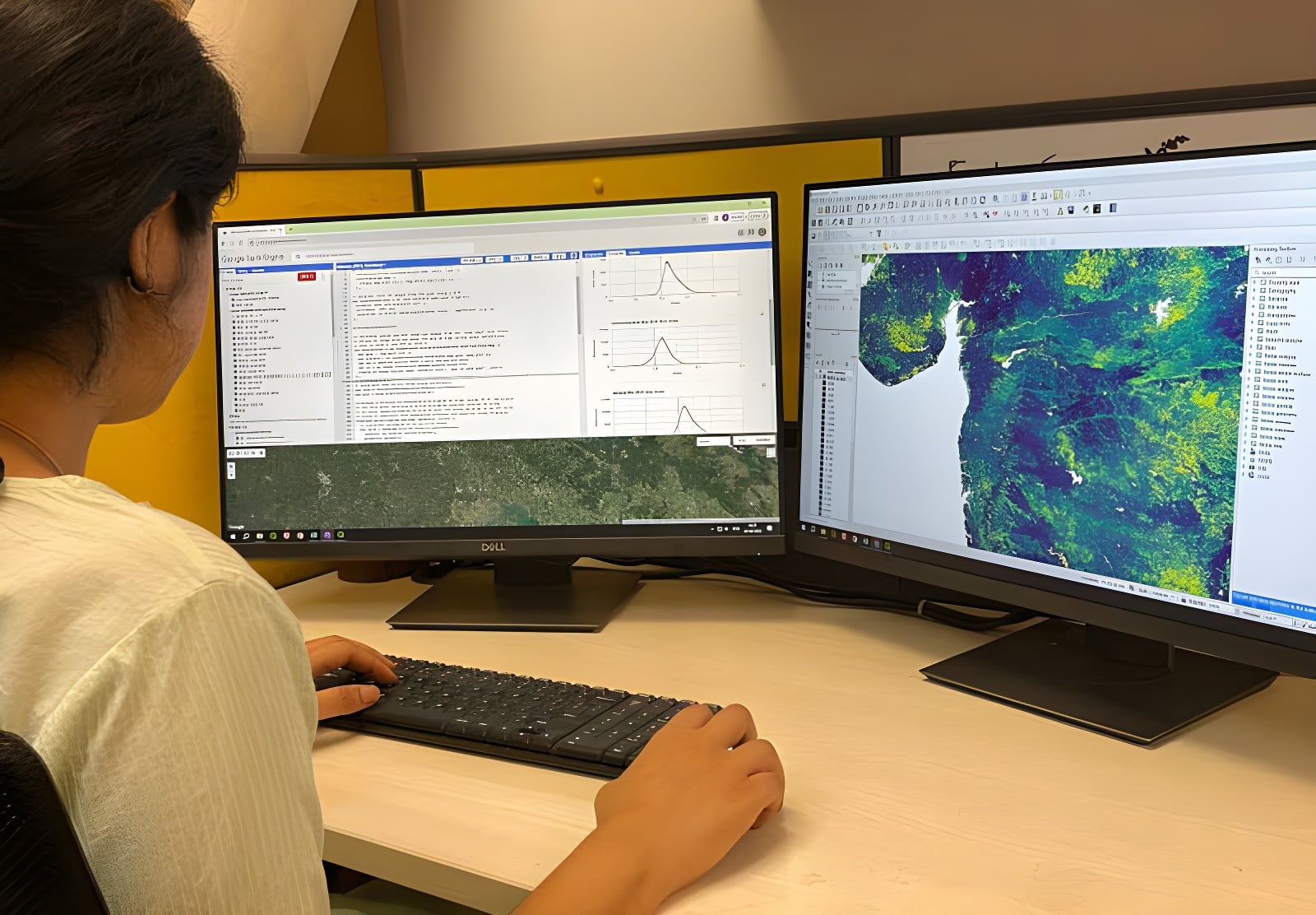
Map and monitor current and projected landscape mosaics using emerging technologies under different climate change and land-use change scenarios.
Develop and apply a human well-being framework, grounded in the idea of ‘quality of life,’ linking Nature’s Contributions to People with the Human Development Index.
Measure ecosystem services and trade-offs from disservices across community, conservation and commercial domains, assessing their environmental justice implications.
Create a blueprint for cross-sectoral collaborations among stakeholders, including practitioner communities and policymakers to guide restoration and conservation action.
Focus Areas and Landscapes
The thematic focus areas of the programme within Biosphere Reserves are:
Landscape mosaic and multifunctionality
Ecosystem services, ecosystem disservices and human wellbeing
Climate vulnerability and adaptation
Land-use change and implications for land sparing and sharing
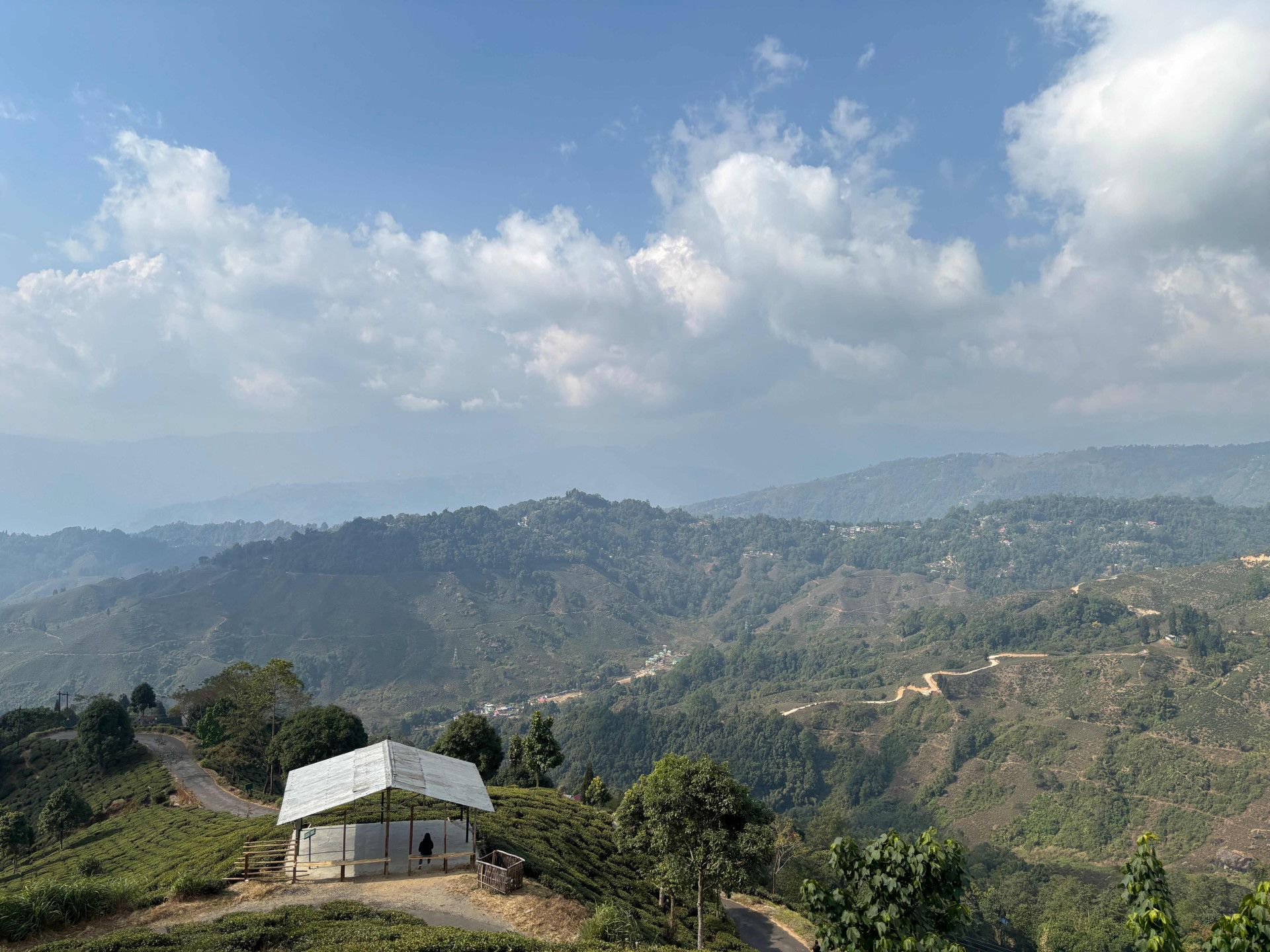
Field research and interventions will focus on multifunctional landscapes in three Biosphere Reserves in the Western Ghats and Eastern Himalayas in the next five years. These include:
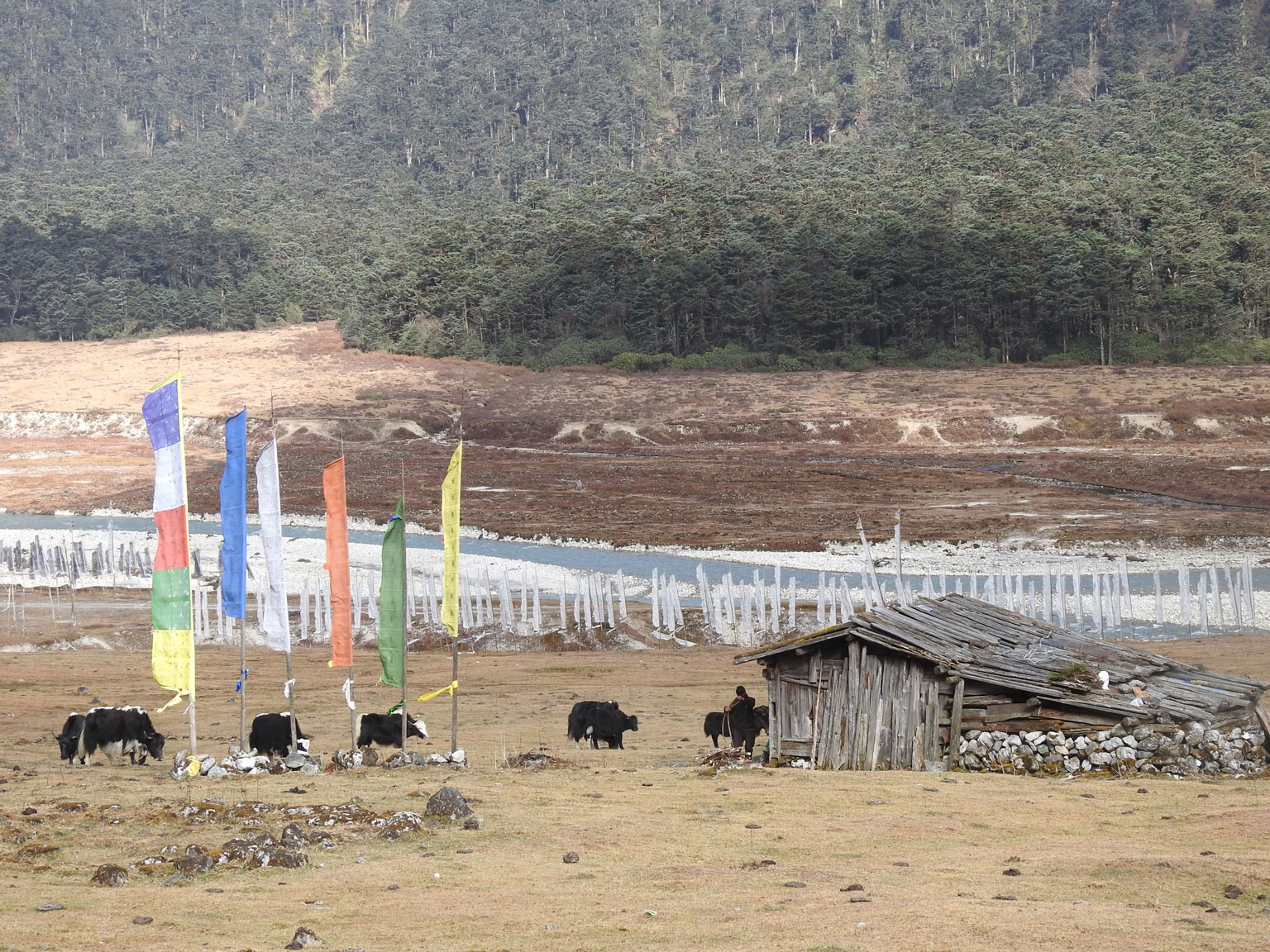
Khangchendzonga Biosphere Reserve
Nilgiri Biosphere Reserve
Agasthyamalai Biosphere Reserve
Expected Outcomes
Empowered local communities in Biosphere Reserves, aligning conservation and development values, aspirations and goals, while fostering equity in decision-making.
Enhanced and sustained ecosystem services for future generations.
Evidence-based policy inputs for harmonisation of conservation and sustainable development in multifunctional zones of BRs, and directly informing MoEF&CC’s Five-Year Integrated Management Plans.