

Putting One Health to the Test: Operational Challenges and Critical Reflections From the Global South
Mridula Mary Paul, Sunita Pradhan, Aarti Chettri, Sarala Khaling, Abi T. Vanak One Health | February 19, 2025 One Health as a policy framework to tackle zoonoses has gained wide-ranging validation with multiple international organizations throwing their collective might behind it. Such endorsement has convinced several governments to adopt One Health as a national strategy […]
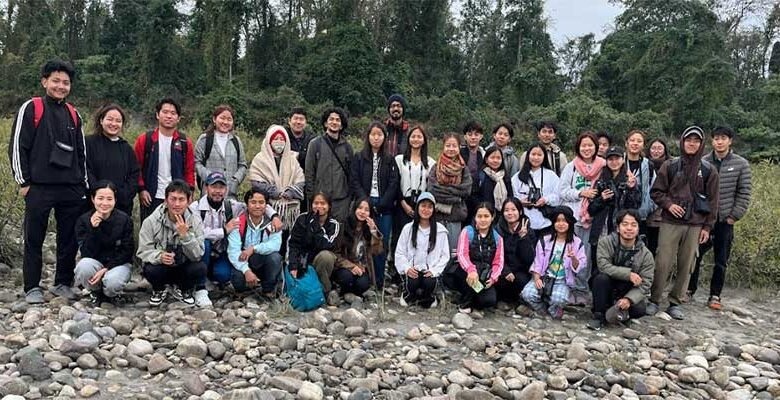
Arunachal: Great Backyard Bird Count Returns to Siang Valley With Bird Walks in Pasighat and Aalo
Arunachal24
Historical Context and Drivers of Forest Cover Change in Wayanad Plateau: a Key Elephant Landscape in India’s Western Ghats
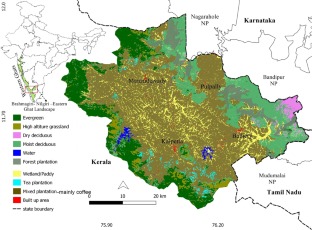
N. R. Anoop, Abhishek Samrat & T. Ganesh Biodiversity and Conservation | February 15, 2025 This study aims to analyse the pat- terns and drivers of deforestation of the Wayanad, a key summer habitat of Asian elephants in the Brahmagiri-Nilgiri-Eastern Ghat landscape of India’s Western Ghats, spanning from pre-colonial period to the present and its […]
Multi-source Photographic Evidence to Assess Corridor Use, Crop-raiding Behaviour and Body Injuries in Asian Elephants
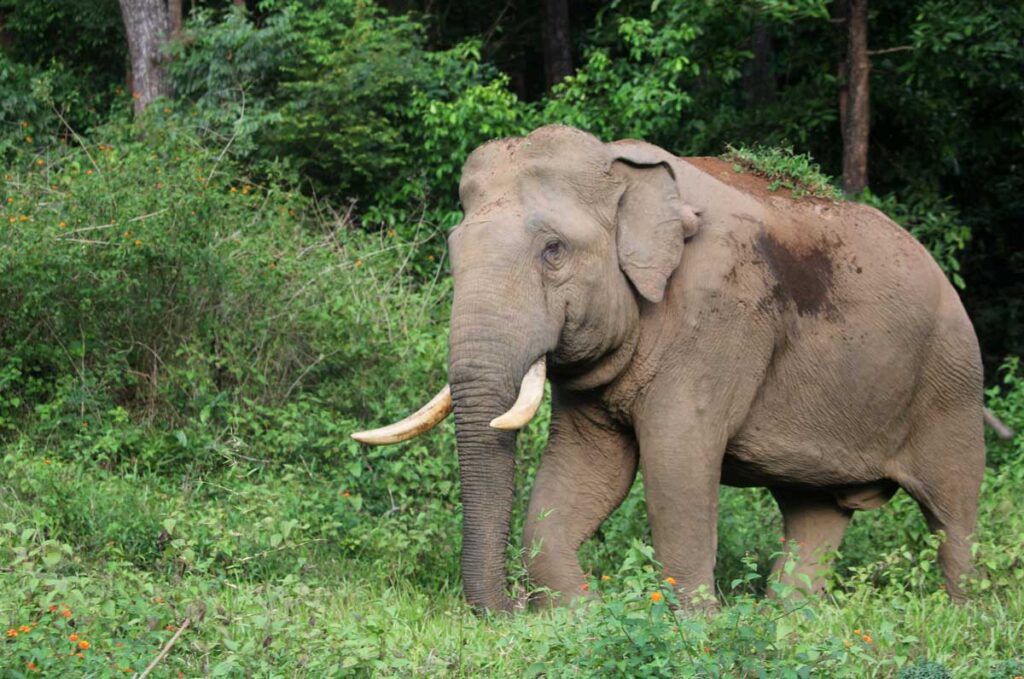
NR Anoop, PK Muneer, M Madhavan, Anikethan Hatwar, T Ganesh bioRix | February 15, 2025 This study investigated the use of multi-sourced photographs, such as those from social media, camera traps, and field surveys, for individual identification of male Asian elephants to study their corridor use, crop-raiding behaviour, occurrence of musth, ranging and external body […]
C2C—conflict to Coexistence: a Global Approach to Manage Human–wildlife Conflict for Coexistence
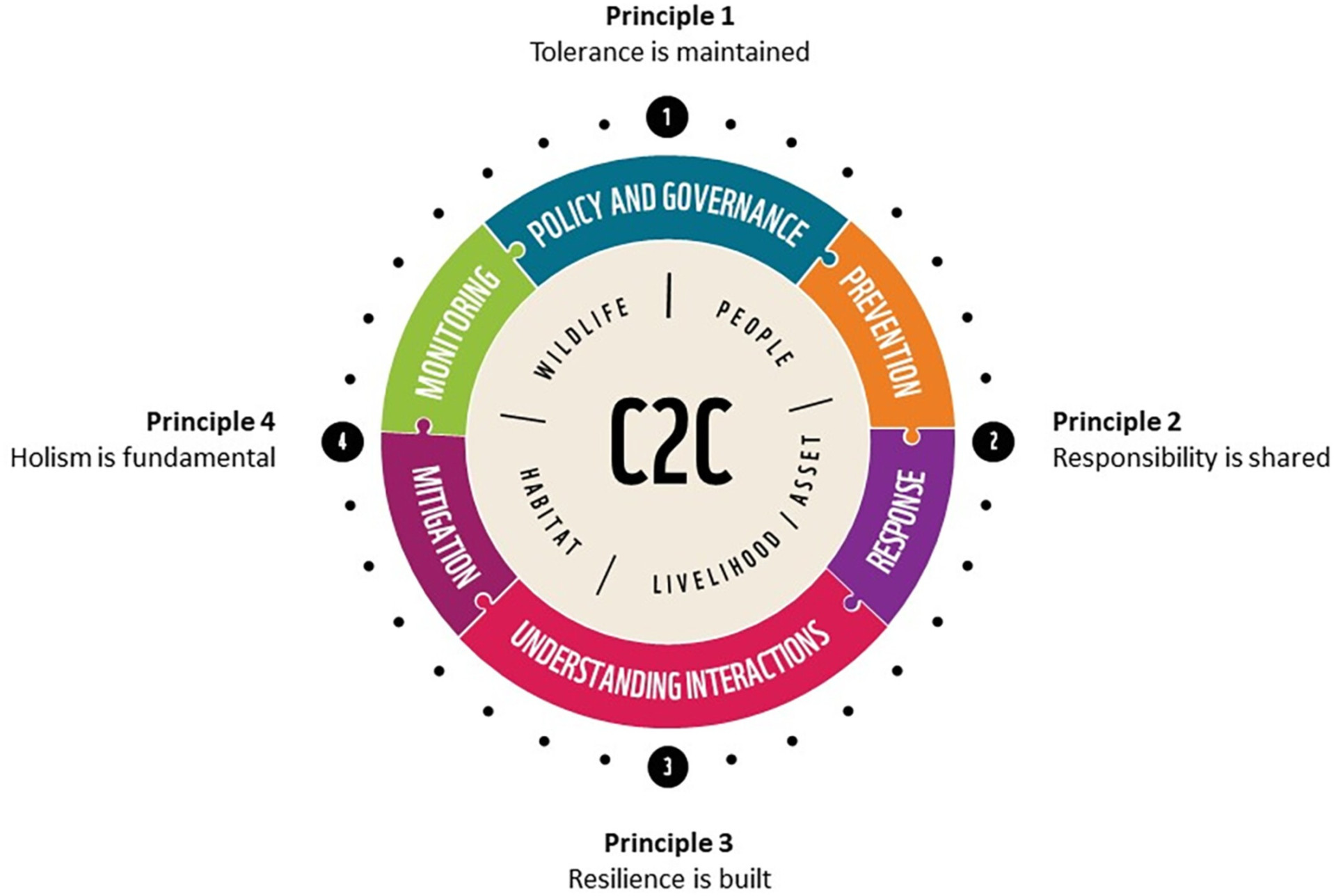
Eva M. Gross, Nilanga Jayasinghe, Smriti Dahal, Sither Tenzin, Sybille Klenzendorf, Kate Vannelli, Elke van Gils, Femke Hilderink-Koopmans, Drew McVey, Natalia Banasiak, Valeria Boron, Diana Frances, Sandra Petrone, Wendy Elliott, Kayla Cranston, Kate Clemens, Jennifer F. Moore, Jenny A. Glikman, Ruth Kansky, Silvio Marchini, Saloni Bhatia, Margaret F. Kinnaird … Conservation Science and Practice | February 5, 2025 Human–wildlife conflict (HWC) presents a growing challenge to conservation and development worldwide. World Wide Fund for Nature (WWF) […]
From Integration to Fragmentation False Pursuit of Technocratic and Quick Fix Solutions to Address Water Scarcity
Sachin Tiwale, Vinay Sankar Economic and Political Weekly | January 11, 2025 In recent years, Maharashtra, a pioneering state in developing the integrated watershed development approach, has shifted to technocratic, quick fix, and fragmented approaches to address water scarcity. Ignoring past policy experiences, these approaches, driven by techno-optimism and reliant on machine-led interventions, neglect associated […]
Radar Versus Optical: the Impact of Cloud Cover When Mapping Seasonal Surface Water for Health Applications in Monsoon-affected India
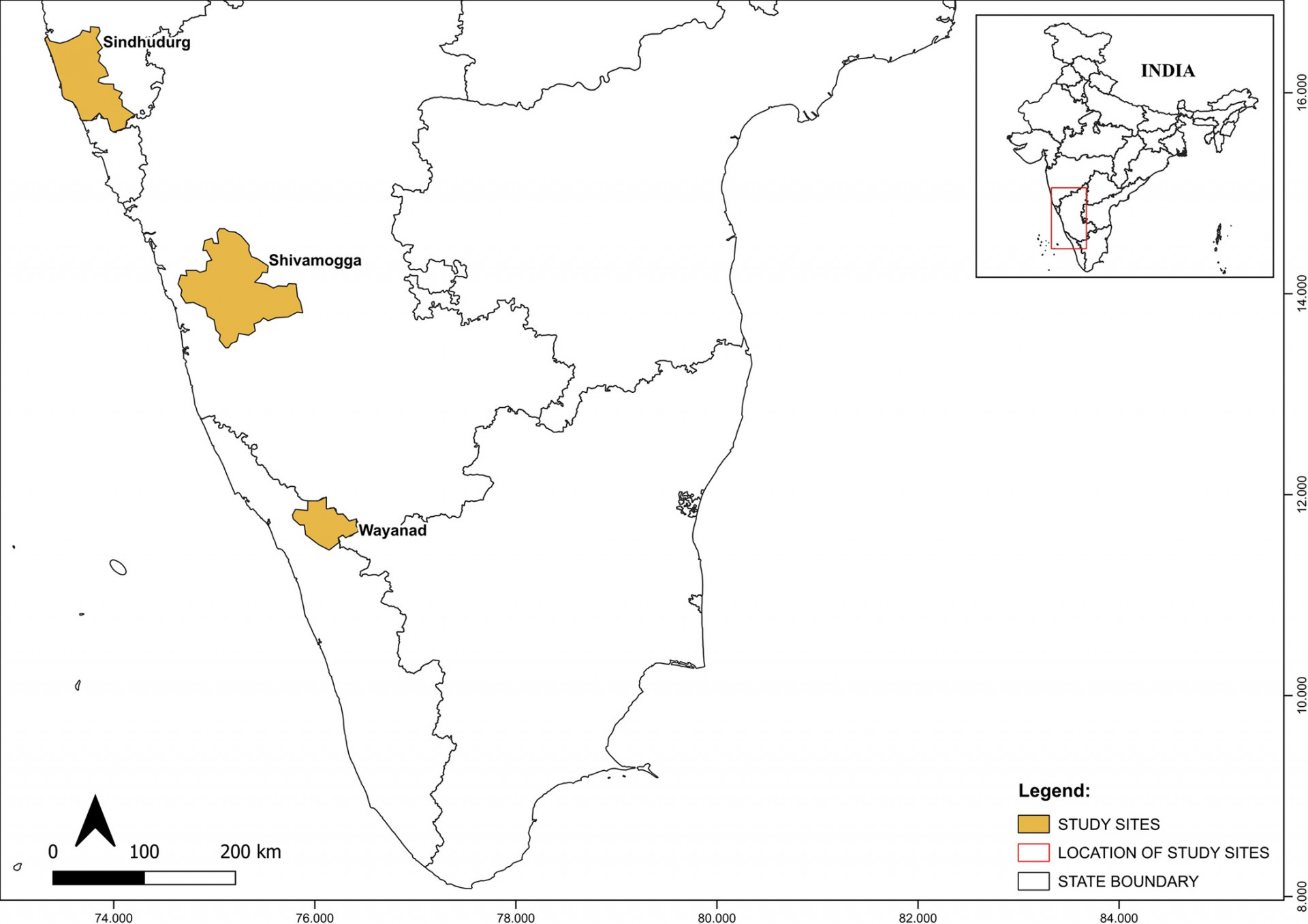
Gowri Uday, Abi Tamim Vanak, Abhishek Samrat, Anusha Chaudhary, Mujeeb Rahman PLOS ONE | January 24, 2025 This study evaluated data loss due to clouds in three Western Ghats (India) districts. These forest-agricultural mosaic landscapes, where water-related diseases are prevalent, experience the Indian monsoon. We compared surface water areas mapped by thresholding 10m Sentinel-1A SAR […]
Carbon Farming Projects Not Always Inclusive and Equitable, Says New Study
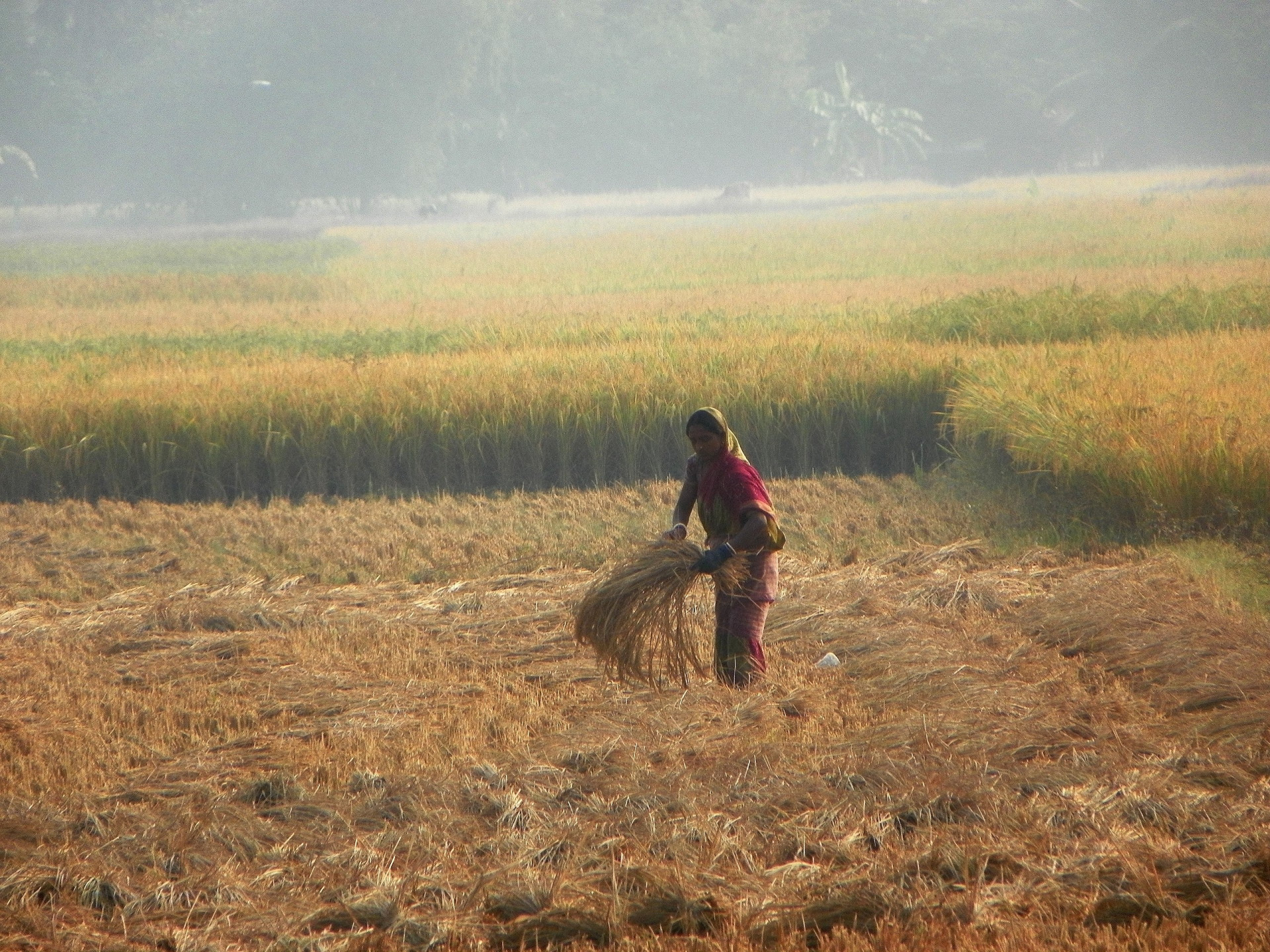
Mongabay
India’s Forest Surveys Conceal a Deep Institutional Failure
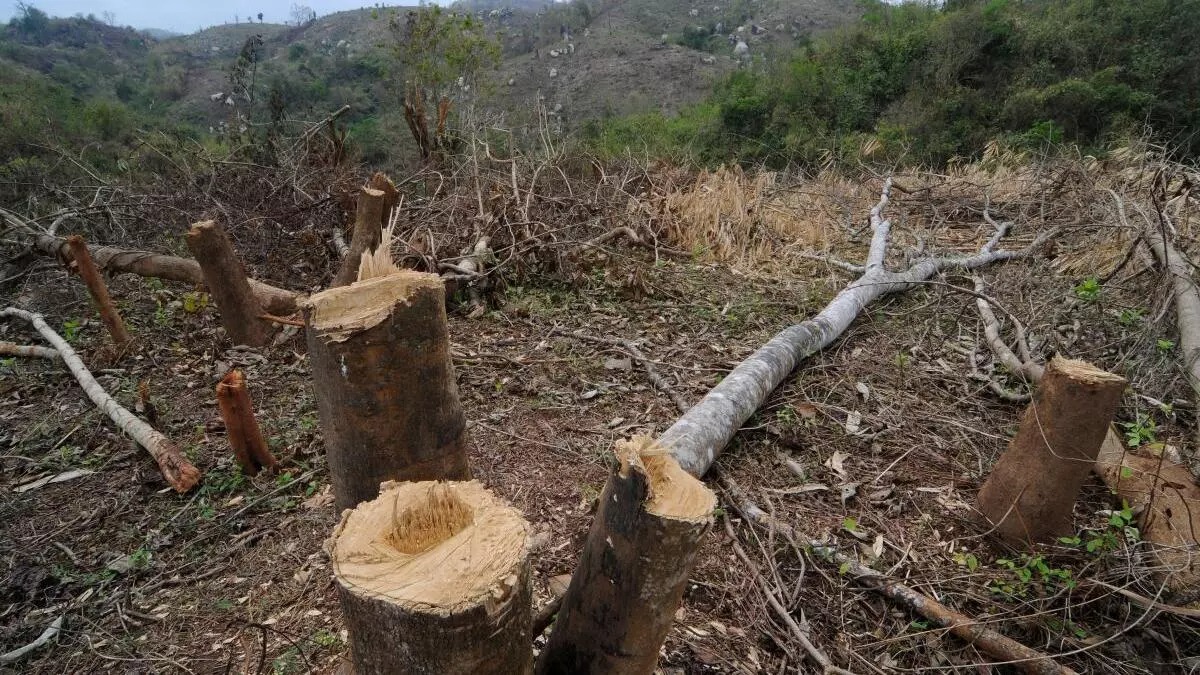
Sharachchandra Lele Frontline | January 21, 2025 Forest cover monitoring in India seems to be stuck in a time loop. Every two years, the India State of Forest Report (ISFR) produced by the Forest Survey of India (FSI) is released with much fanfare by the government, each time showing an infinitesimal increase in the country’s […]
First evidence of transovarial transmission of Kyasanur Forest disease virus in Haemaphysalis and Rhipicephalus ticks in the wild
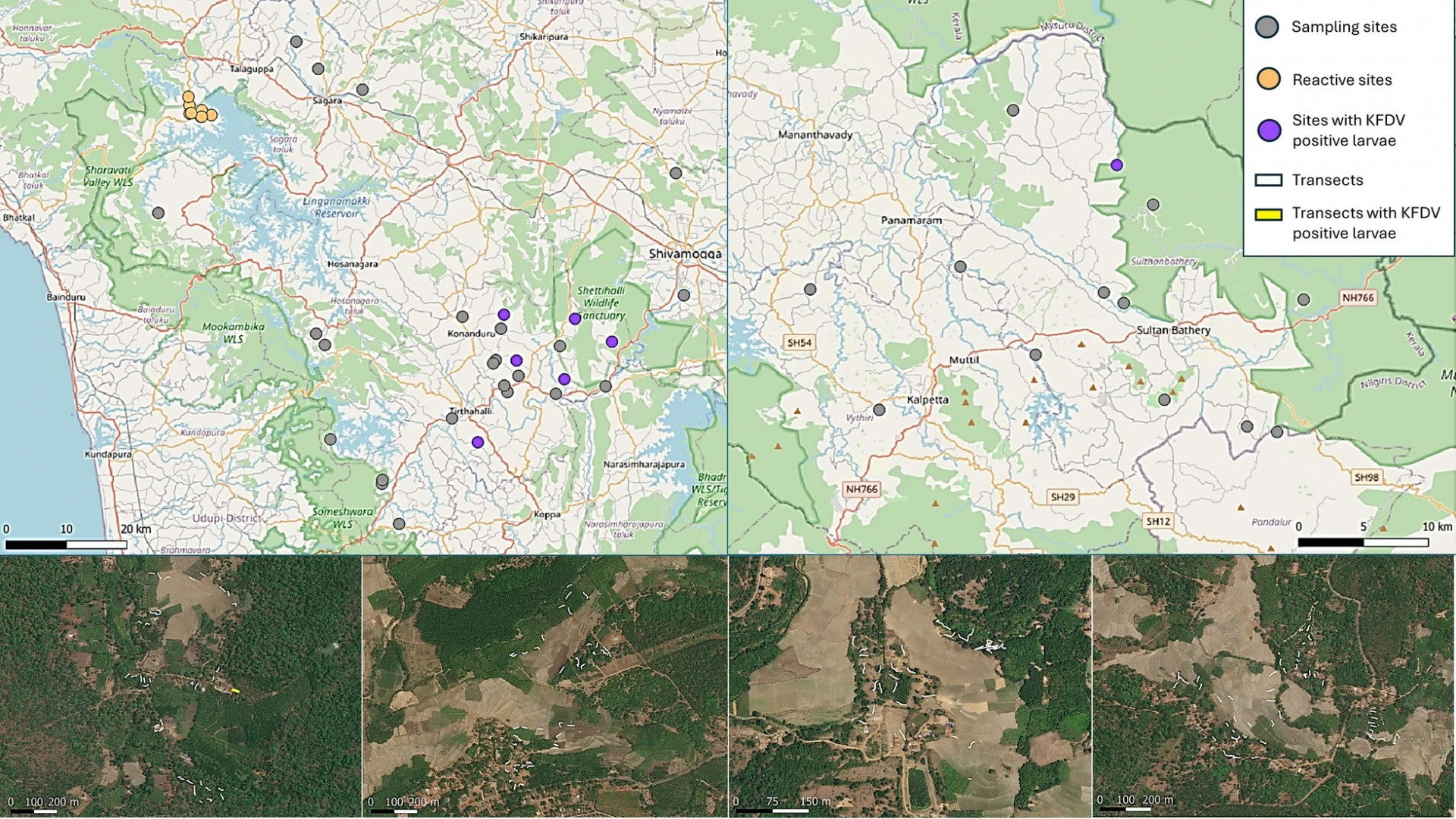
Abi Tamim Vanak, Mujeeb Rahman Parasites & Vectors | January 17, 2025 Kyasanur forest disease virus (KFDV) is a tick-borne flavivirus causing debilitating and potentially fatal disease in people in the Western Ghats region of India. The transmission cycle is complex, involving multiple vector and host species, but there are significant gaps in ecological knowledge. […]