


Is the decline of Indian foxes in Tamil Nadu the reason behind a sixfold increase in peafowl? Experts explain.
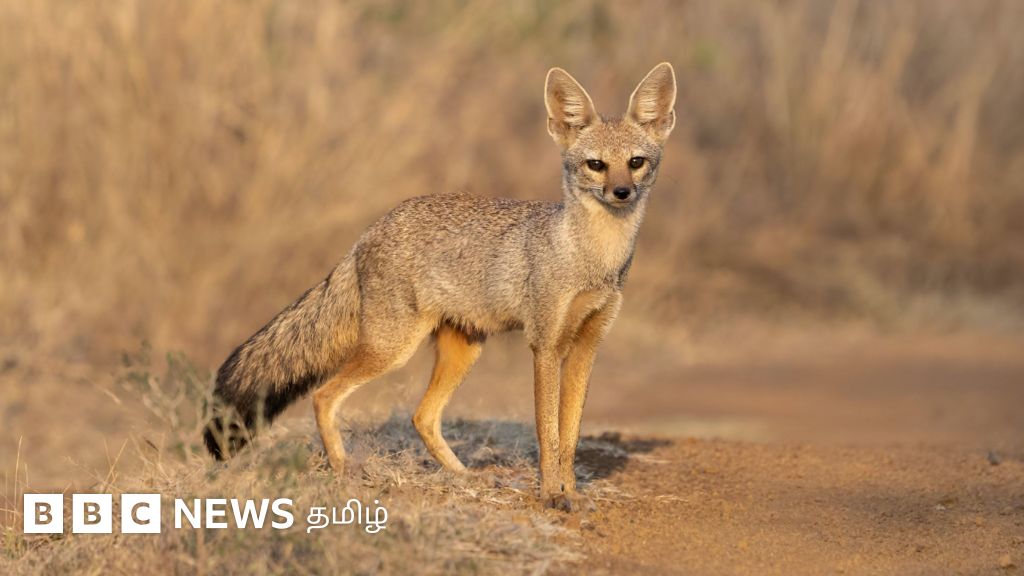
In this BBC News Tamil article, ATREE’s Research Consultant Vinod Kumar explores the ecological role of the Indian fox (Bengal fox), its declining sightings in southern Tamil Nadu, and the threats it faces from habitat loss, hunting, and declining prey availability. The article also examines how the decline of natural predators may influence peafowl populations […]
Western Ghats: Native habitats reduced to one-third and hydrological regulation disrupted, says review article
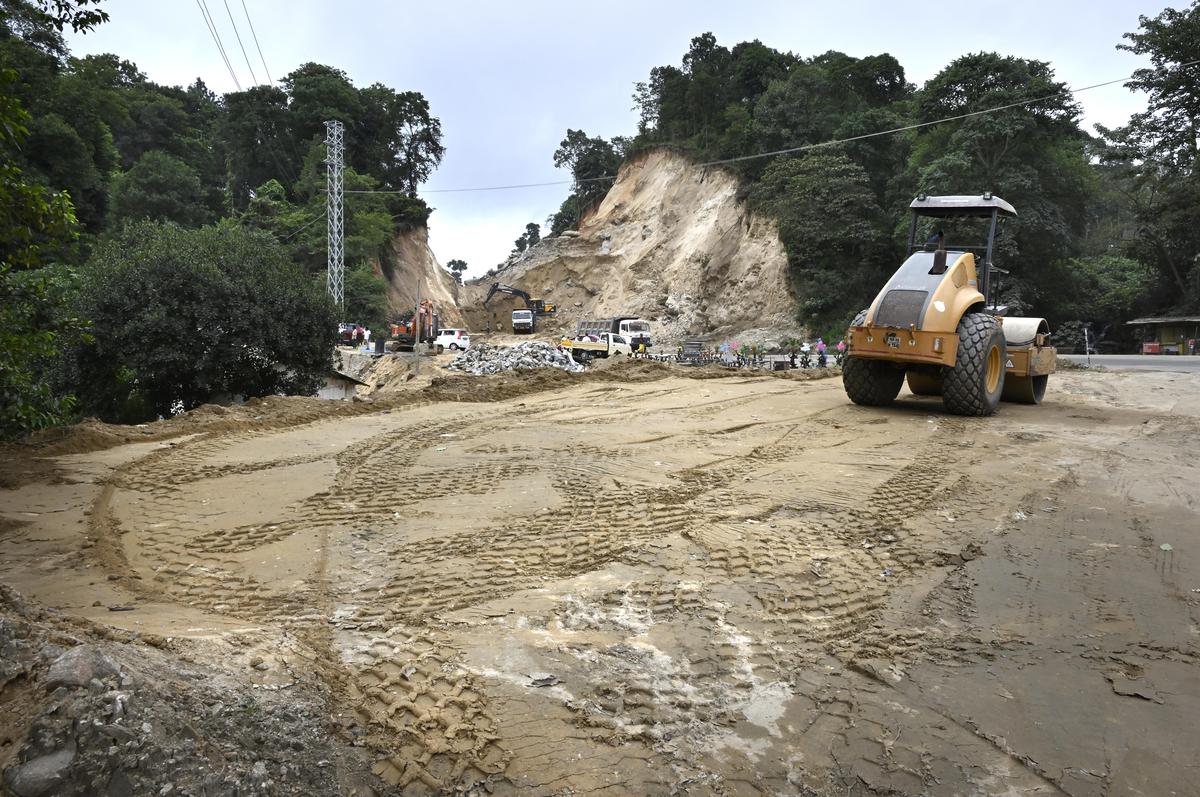
The article, “Biodiversity origins, threats and conservation in the Western Ghats” is authored by Kamaljit S. Bawa, Jagdish Krishnaswamy, Jahnavi Joshi, Ayyappan Narayanan, Kiran Mathramkot Chandrasekharan, and Lokesh Bagepalli Subramanyam. from the Department of Biology, University of Massachusetts, Boston, MA, USA, School of Environment and Sustainability, Indian Institute for Human Settlements, Bengaluru, CSIR-Centre for Cellular […]
Invasive species are hitting Global South countries harder
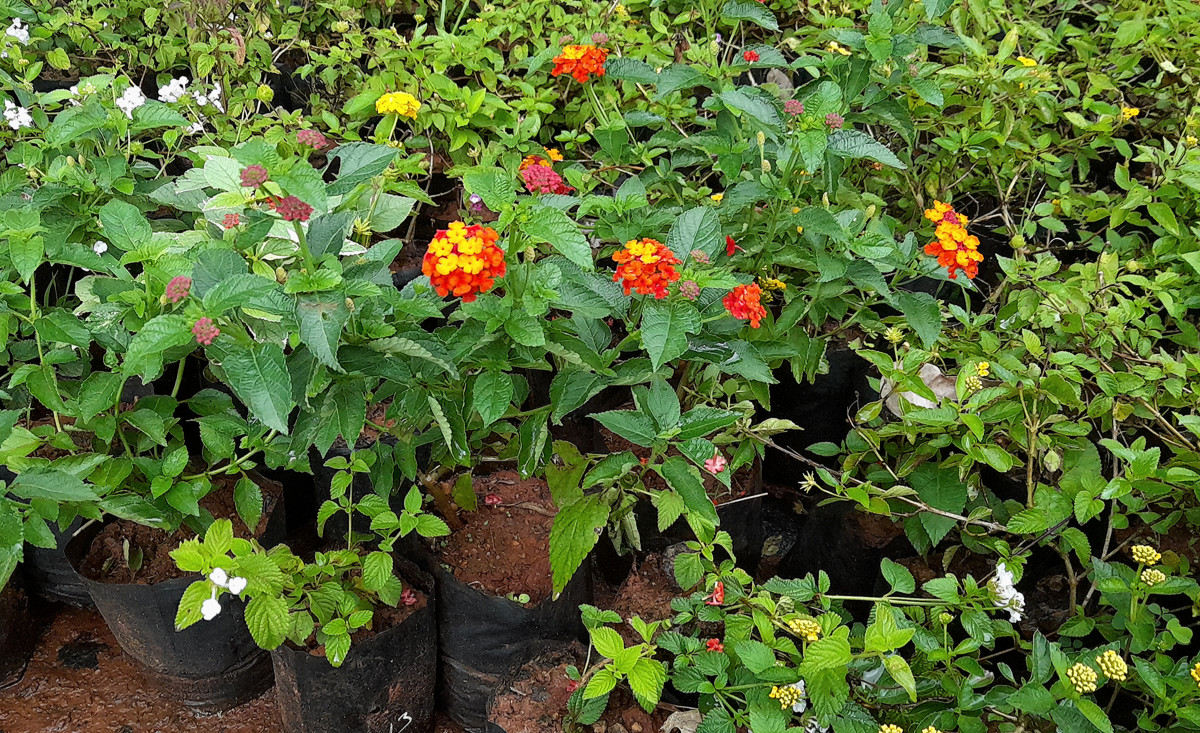
Nature India has published a news feature, “Invasive species are hitting Global South countries harder” (29 September 2026). It reports that invasive alien species cause more severe ecological harm in Global South countries like India than in wealthy nations. The article features my research on invasive plants sold through Indian online nurseries and cites two […]
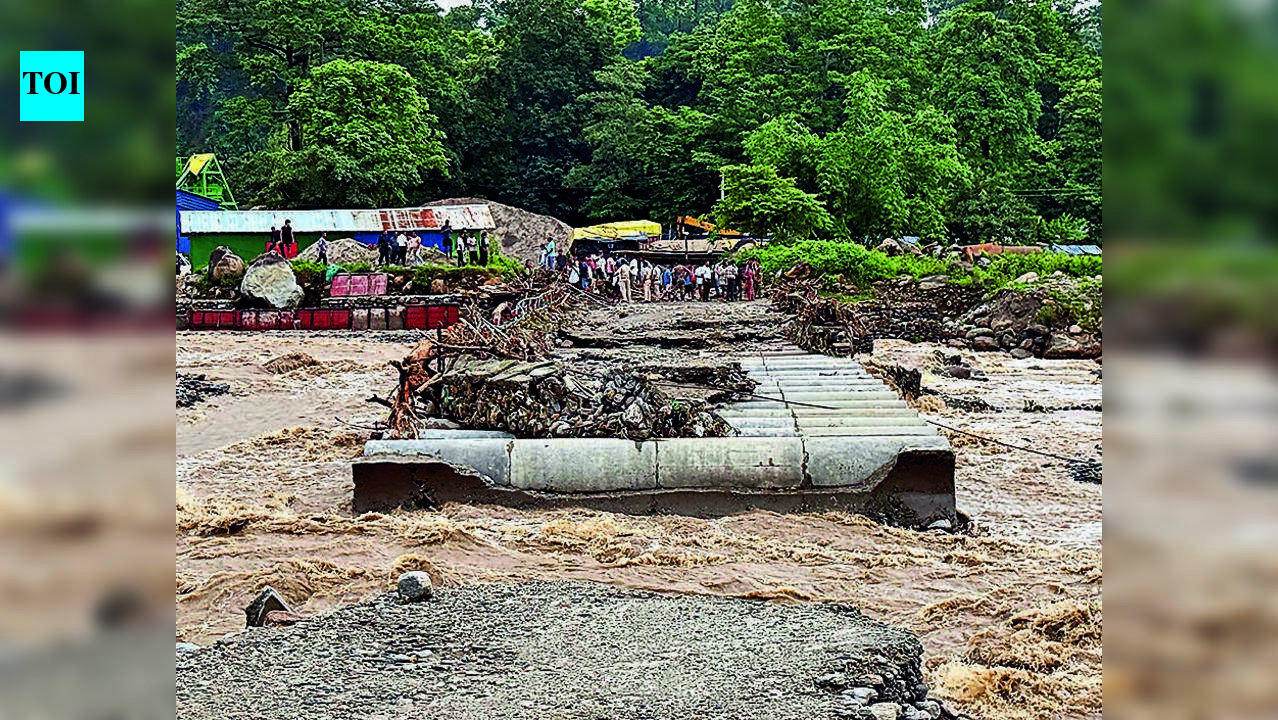
Bengal govt sets up panel to assess flood disaster risk in the Hills
Tamirabharani’s endemic fish face threats from pollution, habitat loss
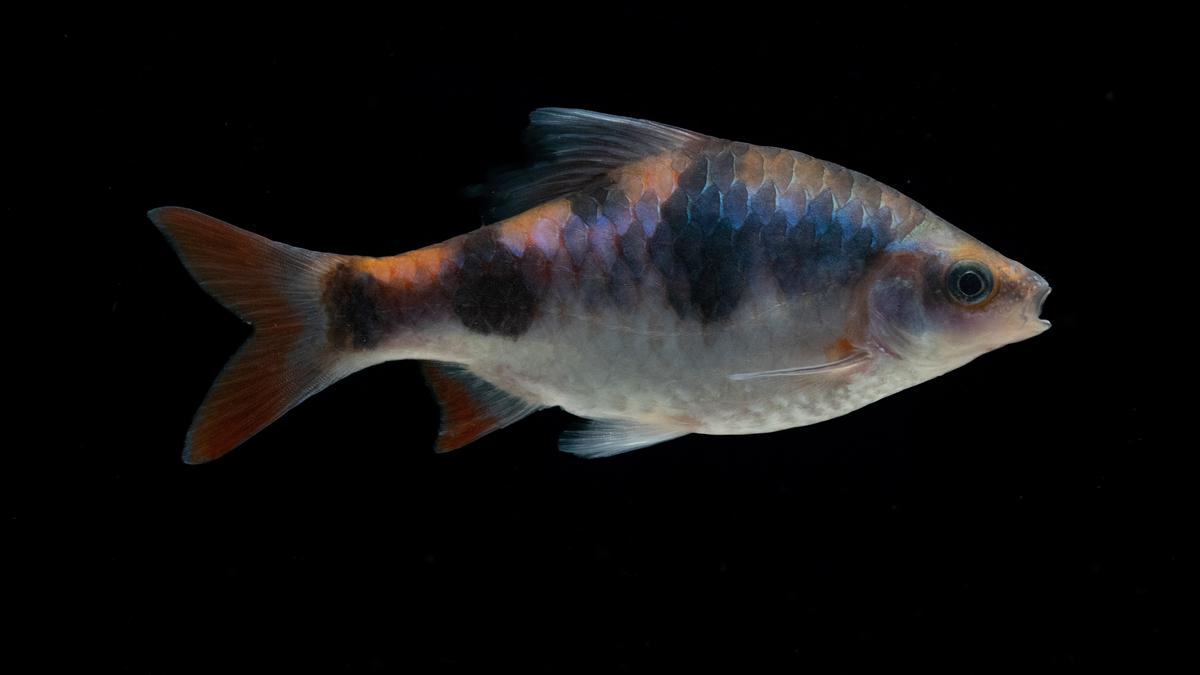
A total of 125 fish species have been identified in the upstream, midstream, and lower estuarine stretches of the river. Of these, seven are found exclusively in the Tamirabharani. Hypselobarbus tamiraparaniei | Photo Credit: Special Arrangement Pollution, habitat destruction, loss of riparian vegetation, invasive fish and aquatic plants, the use of soaps and shampoos by […]
Top experts call for integrated approach to climate, connectivity and development at Eastern Himalayan Dialogue
Climate resilience was a major focus of the dialogue, with discussions examining how glacier retreat, changing river systems, extreme weather and mounting pressure on mountain ecosystems affect communities and have wider implications for water security, disaster preparedness, biodiversity, infrastructure and livelihoods. In a special address on ‘Transformative Approaches for Developing Resilient Himalaya’, Padma Shri Eklabya […]
UNU-INWEH and ATREE Partner to Advance Environmental Research and Policy in the Himalayan Region

The United Nations University Institute for Water, Environment and Health (UNU-INWEH) and the Ashoka Trust for Research in Ecology and the Environment (ATREE) have signed a Memorandum of Understanding (MOU) to strengthen collaboration on policy-relevant research, capacity building and knowledge exchange focused on environmental and sustainable development challenges in the Himalayan region.
AI can be used to map hazards during disasters like Nepal floods: Kamal Bawa, Founder, ATREE
Kamal Bawa spoke to indianexpress.com on ATREE’s Himalaya Initiative, how tech could be used to predict disasters such as the recent Nepal-Tibet floods, and how AI is changing the face of biodiversity conservation. Edited excerpt:
AI-enabled WhatsApp Chatbot pilot tested to support farmers in Sikkim, Darjeeling
A series of training and pilot-testing programmes for a site-specific AI-enabled WhatsApp chatbot was conducted recentlyto support farmers and local communities across the Sikkim-Darjeeling region. The programmes were held at Sittong III in Darjeeling district on September 12 and ZeelSangadorjee in Soreng district, Sikkim, on September 15, with more than 50 community members participating.
Nagaland: Rare shield bug rediscovered after more than a century
A rare shield bug first described from the Naga Hills in 1908 has been rediscovered in Nagaland after remaining unreported from Northeast India for more than a century. The species, identified as Parastrachia nagaensis, was found in Pfutseromi village of Phek district on March 21, 2021. Researchers collected 10 specimens during the field survey, comprising […]