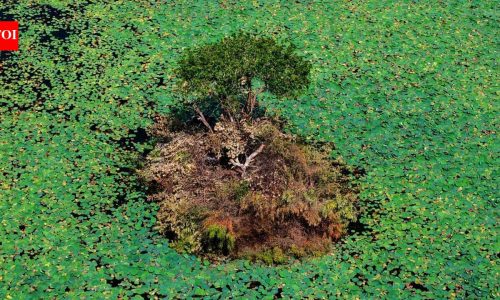
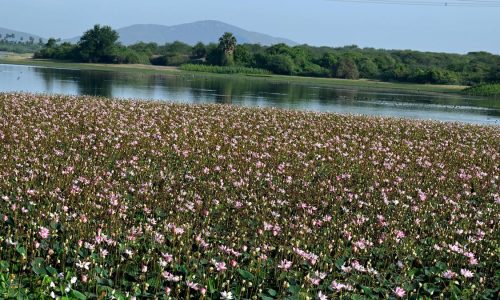
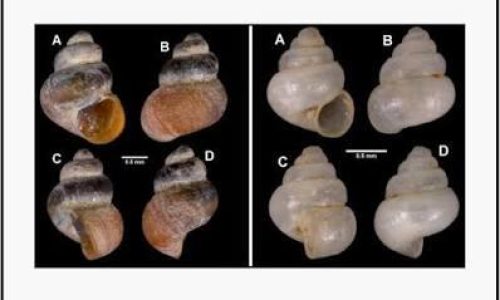
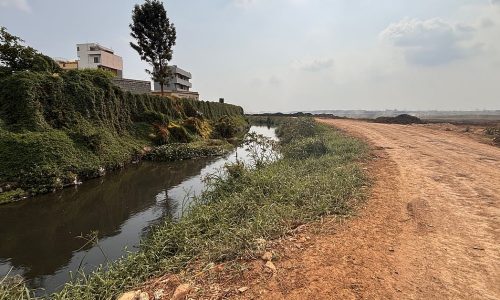
Researchers from the Ashoka Trust for Research in Ecology and the Environment (ATREE) and Yenepoya (Deemed to be University) examined how the proposed network of 15,000 kilometres of canals and 3,000 reservoirs would alter India’s biological landscape. The researchers discovered that areas the government hopes to protect, such as biodiversity hotspots like the Krishna, Godavari, and Western Ghats, are the most vulnerable to these biological invasions. By linking these basins, the project could facilitate the movement of 15 notorious invasive species into previously isolated habitats. The 15 invasive alien species (IAS) studied include a variety of plants, such as the Water hyacinth and Water lettuce; fish, such as the African catfish, Common carp, Guppies, and Suckermouth catfish; molluscs, such as the Acute bladder snail; and one reptile, the Red-eared slider.
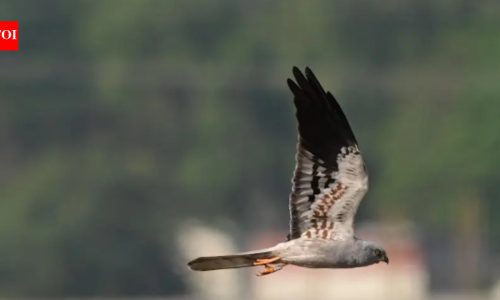
Earlier this year, Suzhal Arivom, an environmental research and conservation collective, spotted a ringed adult male Montagu’s harrier (Circus pygargus) at Nemmeli in Chennai. Now it’s been confirmed from the ring number that the bird was originally ringed in Rajasthan by the Ashoka Trust for Research in Ecology and the Environment (ATREE) under their Harrier Watch programme in 2019.
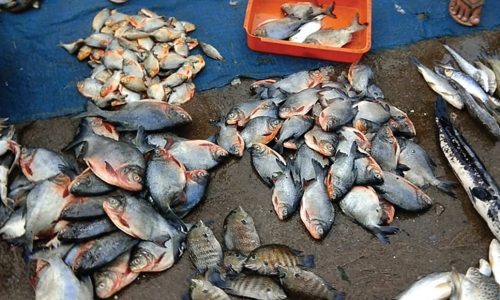
The invasive fish sucker catfish is spreading in the Vembanad Lake, posing a threat to native fish. Invasive fish species such as sucker fish, pacu and pearl gourami were found during the Vembanad fish census. Although sucker fish have been found in the Vembanad Lake before, it has been found that they are now reproducing in a way that is adversely affecting the survival of native fish. Sucker fish were found in large numbers during the floods of 2009 and 2018.