Hello,
In this edition of Branches 2025, we bring you updates on projects in progress across India. A collaborative project in Sikkim Himalaya looks at generating knowledge and information for alpine rangelands managed by local yak herders. In the grazing commons of Andhra Pradesh and Karnataka, we focus on restoring habitats and improving pastoral livelihoods. Sustainable agricultural interventions are at the core of another project at the Andhra-Odisha border region, where community empowerment to advocate for policy change forms a priority. A long-running project in Chamarajanagar district of Karnataka continues to assist the Soliga youth to gain better educational opportunities. In Karnataka and Eastern Himalaya, a project focuses on WhatsApp-integrated chatbots, combining traditional and scientifically curated knowledge, to aid community-based conservation. And in the bustling city of Mumbai, we study the Bonnet macaques to develop conservation strategies for human-animal coexistence. |
|
|
|---|
|
PROJECT Generating Knowledge and Information for Managing Rangelands for Multiple Benefits and Pastoralist Network in India, by Sailendra Dewan, Pema Yangden, Upama Rai and Bhaskar Gurung | | | | | | | 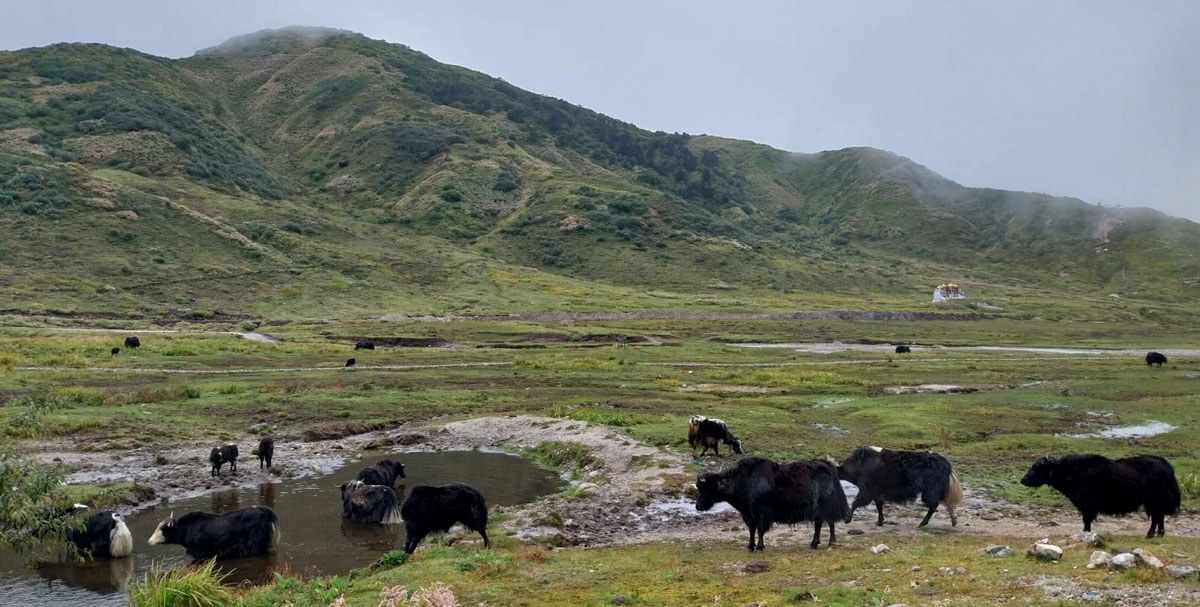 | | | | | | | | | |
| Background The high-altitude alpine regions of the Sikkim Himalaya, though covering only 0.006% of the global land area, are estimated to support nearly 60% of global alpine plant families and 10% of alpine flora. These unique landscapes, particularly in Lachen, Lachung and East Sikkim, are vital rangelands, traditionally managed by local communities through yak-based pastoralism. In 2024, ICIMOD and ATREE partnered to implement a Rangeland Management Programme in India. The focus is on assessing the status, vulnerabilities and resilience of rangeland socio-ecological systems as they face climate and socio-demographic changes. The project also seeks to facilitate a collaborative network of state- and national-level yak and chauri (yak) herders to promote sustainable, community-led rangeland management.
CHALLENGES - Rising temperatures, reduced snowfall and altered migration routes are affecting rangeland productivity and yak health.
- Land-use change and conservation policies restrict access to traditional pastures.
- Livestock predation has increased in high-altitude pastures.
- Climatic fluctuations and changing grazing regimes are increasing vulnerability to emerging diseases.
- Declining pastoral income, reduced youth participation and weakening traditional knowledge systems are threatening the future of yak herding.
OUTCOME - Generated baseline data on vegetation, soil and livestock parameters across five rangeland sites in Sikkim.
- Established standardised field-monitoring protocols for alpine rangeland assessment.
- Strengthened engagement with local herder communities and traditional institutions for participatory data collection.
- Initiated a multi-state dialogue among yak herders, leading to the formation of the Ad-hoc Body of the Sikkim Yak Herders’ Association and the Ad-hoc Committee of the Indian Himalayan Yak Herders’ Federation.
- Enhanced collaboration among research institutions, government departments and pastoral communities to promote sustainable rangeland management and policy dialogue.
| | |
|
|
|
|---|
|
|
PROJECT Monkeys in a Metro: Examining the Human-Bonnet Macaque Interface in a Rapidly Urbanising India, by Vanishree Naik, Nikit Surve and Asmita Sengupta | | | | | | | 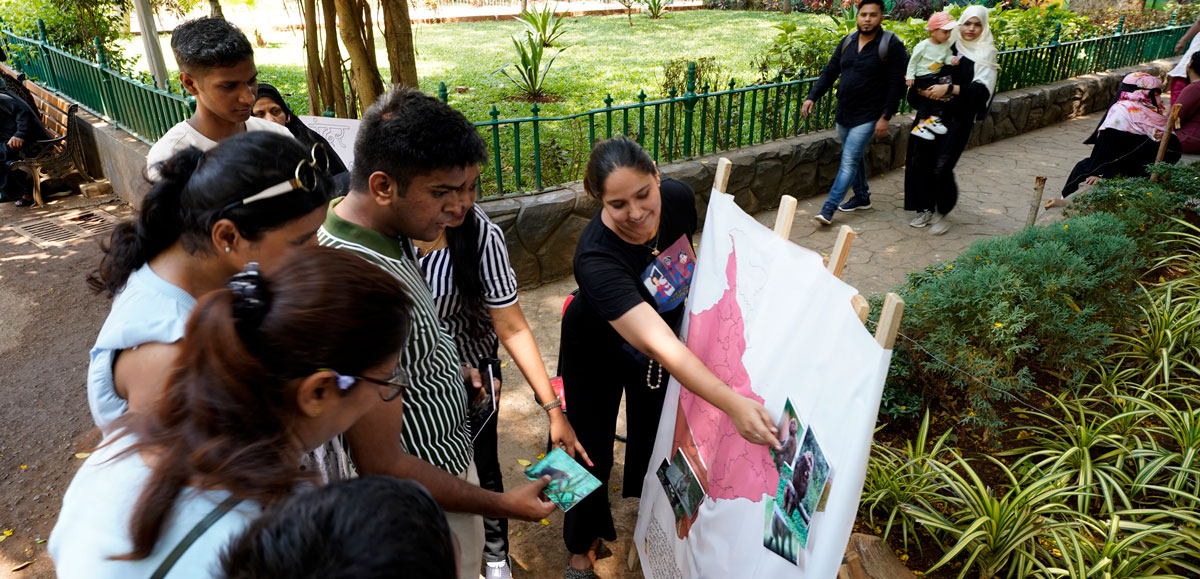 | | | | | | | | | |
| BACKGROUND The Bonnet macaque (Macaca radiata) is commonly found even in urban towns and cities across peninsular India. As natural forests shrink due to human activities, these monkeys have adapted to live in a range of habitats, including tourist areas, temples, busy markets and residential neighbourhoods. Their continued presence in such heterogeneous environments shows how well they can adjust to human changes in the environment. This project investigates how Bonnet macaques persist in urban environments by examining variations in their behaviour, space use and interactions with people across different urban habitats in Mumbai. It tries to integrate behavioural ecology and social research with insights from urban design and governance to provide actionable measures for shared spaces. Recognising that translocation and exclusion are rarely effective long-term solutions, the study emphasises the importance of participatory strategies that combine ecological understanding and public perceptions to inform inclusive models of conservation within the city.
CHALLENGES - Rapid urbanisation has fragmented natural habitats and diminished access to native food resources, driving Bonnet macaques to depend on human-provided food sources increasingly.
- In India, where primates hold religious significance, feeding macaques is a widespread socio-cultural practice that poses challenges for both wildlife and public safety.
- Current management practices largely overlook the behavioural ecology of macaques, as well as the social and infrastructural factors that influence human-macaque encounters.
- There is limited integration of ecological research into urban planning frameworks, which constrains the development of inclusive solutions.
OUTCOME - Research outcomes: Observations across tourism and residential areas showed changes in macaque activity budgets, feeding patterns and the use of resources. Interviews with local residents highlighted a range of perceptions, from acceptance to concern, influencing daily interactions with macaques.
- Public engagement and outreach: Outreach was conducted through online talks, workshops, college seminars, and interactive games and illustrations at community and wildlife events, helping people understand and relate to urban Bonnet macaques. A short documentary film capturing their life and interactions with humans in an urban setting was produced to engage broader audiences.
- • Collaboration efforts: Several meetings have been held with NGOs, forest department staff and urban stakeholders to discuss practical approaches for effectively managing the human-macaque interface in Mumbai city.
| | |
|
|
|
|---|
|
|
PROJECT Restoring degraded natural habitat near Bengaluru to combat climate change, by Rajkamal Goswami, Ranjith Kumar H.T., Raju J.K., Bharathi M., Vishnuvardhana S.A., Ramanji R., Pritha Reddy, Seena Narayanan and Paul Pop. | | | | | | | 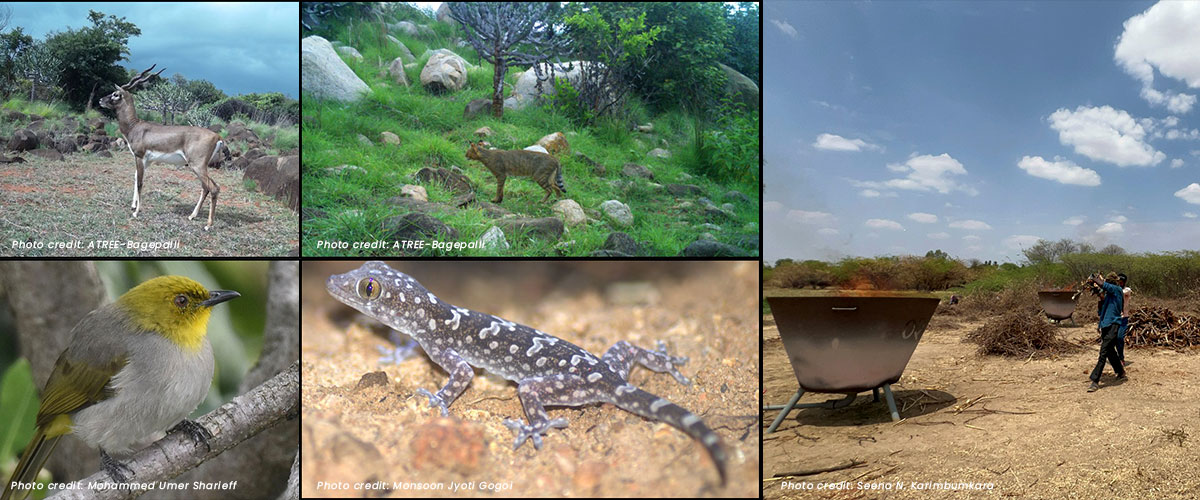 | | | | | | | | | |
| BACKGROUND Gomalas, or grazing commons, across parts of Karnataka and Andhra Pradesh, are government-owned lands, but communities hold customary user rights. Ecologically, gomalas span varied ecosystems, including arid and semi-arid grasslands, savannas and dry to moist deciduous forests. For local agro-pastoral and transhumant communities, these lands are vital for livestock grazing, fodder collection and daily subsistence. Beyond their economic value, they host rich biodiversity, providing habitat for endemic birds, such as the Yellow-throated Bulbul (Pycnonotus xantholaemus), and mammals including the Sloth Bear (Melursus ursinus, Vulnerable), Sambar (Rusa unicolor, Vulnerable), Blackbuck (Antilope cervicapra) and Indian Fox (Vulpes bengalensis). Altogether, gomalas hold deep cultural, ecological, and traditional significance, forming the backbone of rural livelihoods and biodiversity conservation. CHALLENGES Centuries of misclassification as wasteland, a forest-centric conservation approach and the exclusion of pastoralist voices from policy have made gomalas one of the most threatened socio-ecological systems today. These landscapes face severe degradation from invasive species, encroachment, mining and recurring fires, which erode their ecological resilience and diminish their value to local communities. To address this, ATREE launched the Bagepalli Gomala Restoration Project in 2024, aiming to restore 100 hectares of degraded commons, revitalise biodiversity and empower local communities.
OUTCOME - Converted 380 tonnes of biomass from the invasive Prosopis (Neltuma juliflora) into biochar and distributed to 81 farmers across eight villages, enhancing soil fertility and moisture retention in croplands.
- Directed carbon credits from biochar production towards community-led restoration, while a pilot study is exploring Lantana as an alternative biochar source.
- Established India’s first Savanna and Deccan Southern Thorn Forest Conservation Nursery and Seed Bank to restore native vegetation and propagate native grasses and dry forest species.
- Local communities are actively involved in invasive removal, fire management, nursery operations and long-term ecological monitoring to ensure sustained socio-ecological benefits.
| | |
|
|
|
|---|
|
|
| | PROJECT Centre for Exchange for Sharing Knowledge on Sustainable Agricultural Systems, by Abi Vanak, Anuja Malhotra, Asmi Khushi, Giridhar Dasari and Mallika Sardeshpande | | |
| | | | | | | 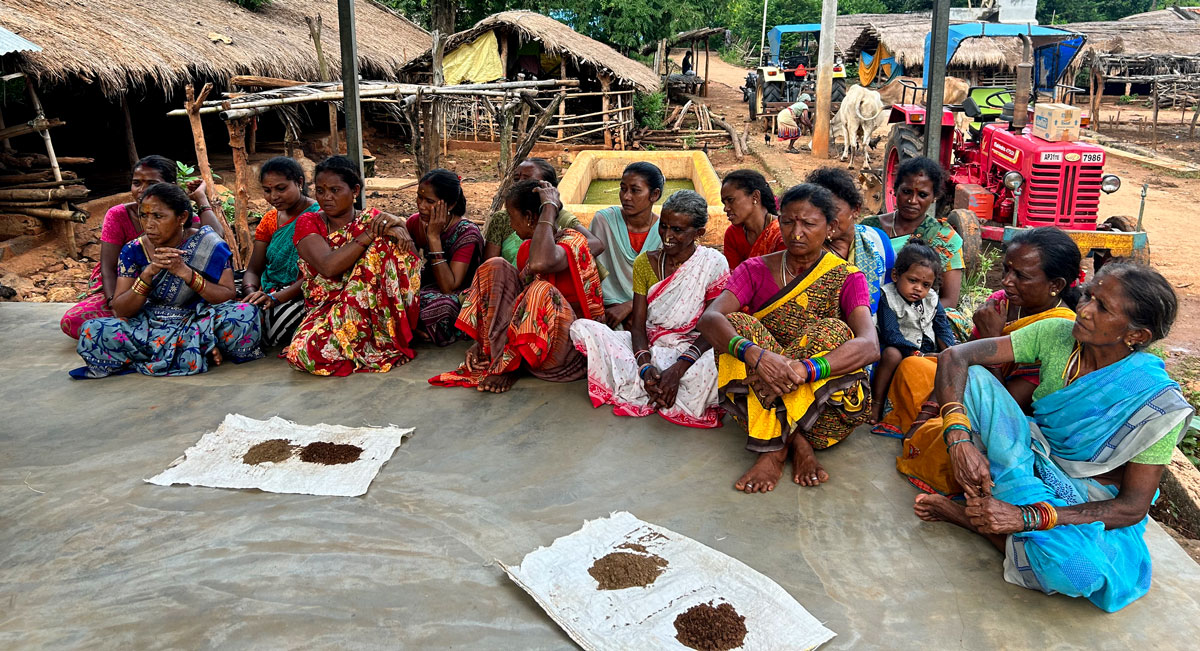 | | | | | | | | | |
| BACKGROUND In the Andhra–Odisha border region of the Eastern Ghats, the Savara and Jatapu tribal communities cultivate small landholdings, including hilly Podu lands – lands where traditional systems of cultivation are carried out. Their farming practices reflect a long and complex history of land relations and conflict. However, in some areas within this region, such as Manyam district, WASSAN (Watershed Support Services and Activities Network) has been working with these communities to promote sustainable intensification models – such as integrated poultry, fishery and intercropping systems. These diversified and agrobiodiverse models offer sustainable alternatives to the input-intensive monocultures that dominate much of India’s agriculture.
CHALLENGES But conventional assessments that focus mainly on yield and profit overlook crucial ecosystem and social benefits of integrated farming systems – such as improved soil health, dietary diversity, climate resilience and community well-being. They also fail to account for the high ecological and economic costs of input-intensive monocultures, including soil degradation, water scarcity and contamination. To build a strong policy case, it is essential to generate robust, multidimensional evidence of these broader benefits. Moreover, such projects operate across complex power dynamics, involving tribal communities, government agencies, researchers and NGOs. While action research aims to empower smallholders and marginalised groups, the participatory processes that ensure community ownership and fair stakeholder representation are rarely studied in depth. Documenting and analysing these processes can enable learning and replication elsewhere.
Finally, influencing policy requires scalable yet adaptable solutions that fit diverse socio-ecological contexts. This calls for collaborations across stakeholders and geographies, combining contextual knowledge with scientific evidence, which this project sets out to accomplish. Such an approach can strengthen climate resilience and help improve the low returns that communities currently receive for high-value crops like cashew.
EXPECTED OUTCOMES - Build evidence of the net socio-ecological and health benefits of integrated farming systems, making their often-hidden value visible.
- Study participatory processes to understand how equitable power relations and community ownership can be fostered and sustained.
- Facilitate multi-stakeholder platforms that share findings and enable communities to advocate for supportive policy changes.
- Establish a “Centre for Exchange and Learning” in partnership with South Africa, creating a platform for collaboration across the Global South to democratise and share research practices.
| | |
|
|
|
|---|
|
|
| | PROJECT
Building Site-Specific Chatbots for Community-Based Conservation, by Seena Narayanan Karimbumkara, Milind Bunyan, Preeti Singh, Srijana Sharma, Smrithi Gnaneshwar, Siddappa Shetty, Nakul Chettri, Vijay Rasquinha and Sujata Seshan. | | |
| | | | | | | 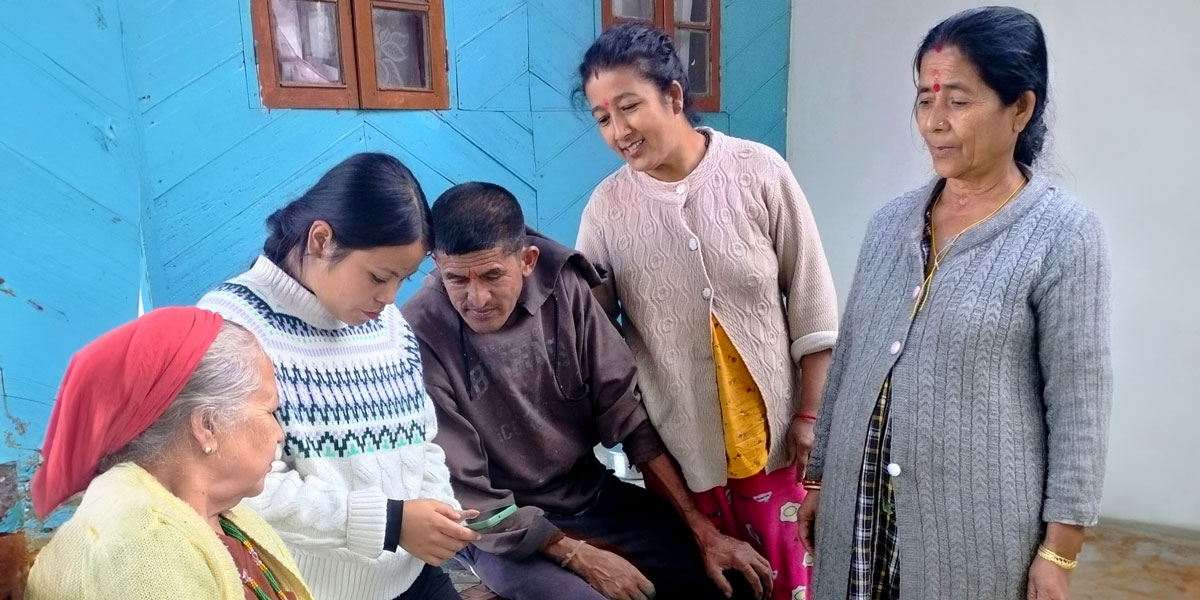 | | | | | | | | | |
| BACKGROUND Traditional and scientific knowledge systems both hold immense potential to restore degraded habitats, enhance biodiversity-based livelihoods, and build resilience to climate change. The Soligas of Bilgiri Rangaswamy Temple (BRT) Tiger Reserve in Karnataka are forest-dependent communities who practice shifting cultivation and gather non-timber forest products (NTFPs), including honey, amla, lichen and bamboo. They also cultivate ragi and maize, possess rich ethnobotanical knowledge – particularly on herbal medicines – and practise sustainable harvest techniques. The indigenous communities of Sikkim in the Eastern Himalaya, including the Lepcha, Bhutia and Limbu tribes, are traditionally agro-pastoralists, cultivating millets, maize and cardamom and engaging in yak and cattle rearing. They are known for their indigenous agricultural practices, which are adapted to steep terrain, as well as for their traditional healing methods and the conservation of sacred groves and lakes. CHALLENGES Traditional knowledge is at risk of being lost as it becomes less frequently shared across generations. Scientific knowledge, on the other hand, often remains inaccessible or is poorly translated for local use. Bridging these gaps is vital for promoting human well-being and biodiversity conservation in agroecosystems at the community level. To address this challenge, the project is developing WhatsApp-integrated chatbots that enable local communities and stakeholders to access scientifically curated, locally relevant knowledge in user-friendly, conversational formats. The chatbots will provide validated, thematic information on priority issues, including climate-resilient agriculture, utilisation of forest produce, implementation of the Forest Rights Act, human–wildlife conflict mitigation, market access and government schemes. The need assessment was conducted through close collaboration with farming and forest-dependent communities in both the BRT and Sikkim landscapes.
OUTCOME We have conducted Focus Group Discussions (FGDs) and household surveys in both landscapes to identify communities’ information needs and preferred communication formats. We complemented this with surveys to assess the communities’ digital connectivity, social media usage and traditional knowledge retention. Based on these insights, we decided to implement an AI-first strategy, leveraging ChatGPT integrated with Glific, an open-source WhatsApp-based platform, to deliver context-specific, multilingual information.
The team has developed curated question–answer datasets that train ChatGPT to generate reliable, landscape-specific responses. These Q&A sets include topics such as community-based pest management, agroforestry practices, traditional food crops and government schemes.
Our next steps include fine-tuning the chatbot models, integrating them with the Glific platform and piloting them with communities. Once operational, these chatbots will provide real-time access to knowledge in local languages, supporting sustainable livelihoods and biodiversity conservation — bringing science closer to the community. | | |
|
|
|
|---|
|
|
PROJECT Building a resilient future for the Soligas: Empowering the next generation of leaders with education and collaboration, by Siddappa Setty, Madegowda and Khushboo Mendonca | | | | | | | 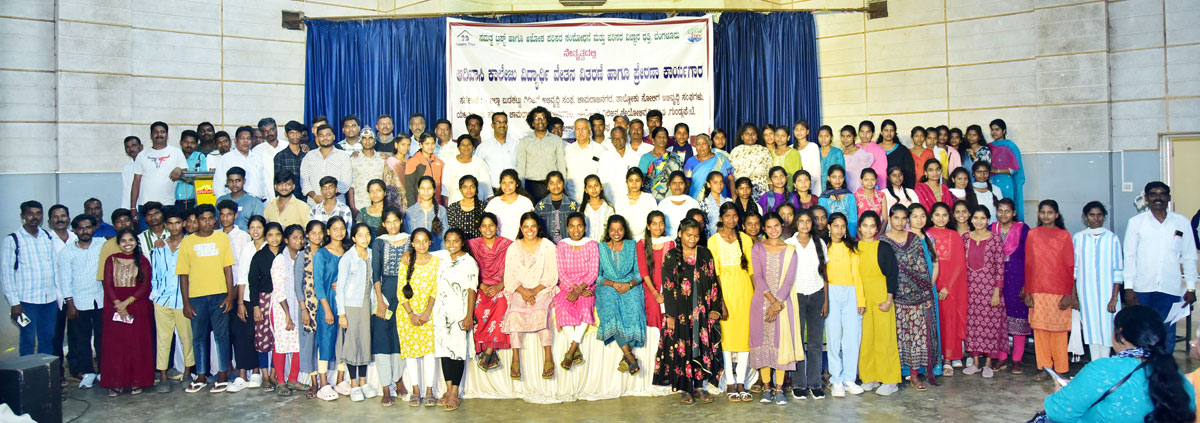 | | | | | | | | | |
| BACKGROUND For over 15 years, ATREE, supported by the Samatva Trust, has championed education within the Soliga indigenous community. This partnership, through the Community Conservation Centre in the BR Hills and MM Hills, has consistently provided scholarships and learning materials and conducted capacity-building workshops, enhancing opportunities for those most in need. The focus of this collaboration is now expanding to other parts of Chamarajanagara district in Karnataka, aiming to support around 1,000 Soliga students across three years. CHALLENGES Educational inequality remains a persistent challenge in rural India, and this is reflected acutely among the Soliga community. High dropout rates, especially beyond class 10, are driven by limited access to career guidance, lack of financial support and an inadequate education infrastructure. This is complicated by shortages of schools, teacher vacancies and local factors such as poverty, migration and child marriage. Without focused interventions, these systemic obstacles continue to prevent the Soliga students from reaching their full potential and limit their opportunities for economic independence. OUTCOME - The latest project impacts were showcased at a Scholarship Distribution and Motivation Workshop in Chamarajanagar, attended by approximately 230 Adivasi college students.
- Scholarships amounting to a total sum of eleven lakhs were announced for the current financial year.
- The Best Teacher Award was also handed out during the workshop.
| | |
|
|
|
|---|
|
You could create a huge impact, we look forward to your contribution |
|
|---|
|
ATREE, Royal Enclave, Sriramapura, Jakkur Post, Bangalore 560 064
Phone: +91-80-23635555 | www.atree.org | info@atree.org |
|
|
|
|---|
|
|
|