Hello,
In this edition of Branches, we are pleased to share updates on our diverse initiatives. In Madhya Pradesh, we are utilising geospatial technology to secure Individual Forest Rights. Another initiative focuses on the little-explored functional diversity of small farms in Mandla district. Restoration work on Mandarin orchards has resulted in boosting the livelihoods of villagers in Darjeeling district, West Bengal. Community engagement underpins our efforts to manage water ecosystems in Karnataka (an urban lake in Bengaluru) and Tamil Nadu (Tamiraparani). In the Cauvery River Delta, we emphasise the importance of integrating local knowledge in our sustainable water management initiative. |
|
|
|---|
|
PROJECT Securing Individual Forest Rights (IFR) for the Forest Villages of Madhya Pradesh Using Geospatial Technology, by Mohit Mahajan and Sharachchandra Lele | | | | | | | 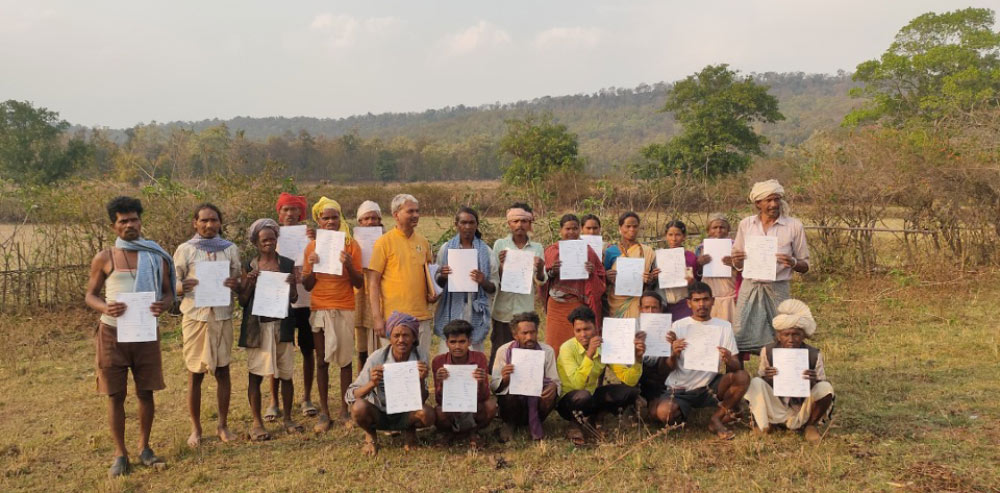 | | | | | | | | | |
| Background Even after eighteen years since the Forests Rights Act, 2006 was passed, the recognition of Individual Forest Rights (IFR) in forest villages remains very low, with only 20–50% of the actual land recognised. This is mainly because the claim-making process that involves preparing maps of cultivation and habitation areas is still controlled by the forest department officials, leaving out the community and Forest Rights Committees (FRCs). Section 3(1)(h) of the FRA allows for forest villages to be converted into revenue villages, granting them significant rights under the Panchayat Raj Institutions. However, before this conversion can happen, all land under cultivation and habitation must have IFR fully recognised. To identify the key obstacles in converting forest villages to revenue villages and to address the IFR issue, ATREE initiated pilot work in two villages: Pondi and Sheetalpani (Dindori district). The FRCs were trained to carry out complete, wall-to-wall mapping of all lands using ATREE’s Amcho CFR app. As a result, over 91 corrected titles have been issued in both villages.
CHALLENGES In November 2022, the Minister of Home Affairs announced that all forest villages in Madhya Pradesh would be converted into revenue villages. Following this announcement, the state government directed district collectors to publish notifications in the Government Gazette. These notifications led to the preparation of records for conversion based on the data of recognised IFRs and forest village leases, with the responsibility assigned to the revenue department. ATREE’s study in the Baiga Chak region revealed common errors in IFR recognition, where several claimants either did not have appropriate titles or claims remained pending. Since the state government had not officially acknowledged the errors and their relevance to the particular history of forest villages, the conversion process continued in the background despite several pending IFR claims. ATREE then developed a mapping-based methodology to complete the claim-making and recognition process before conversion. OUTCOME ATREE’s team engaged with senior officials from the tribal welfare department and the revenue department to present the study's findings and recommendations. The findings were also discussed in the meeting of the sub-committee on forest villages appointed by the Chief Minister, and chaired by the Minister for Tribal Affairs.
Based on these discussions, the state government officially acknowledged that errors existed in the recognition of IFRs and that the process remained incomplete. Consequently, an order was issued to district collectors to complete the IFR recognition process leading up to the conversion of forest villages to revenue villages.
The problems of forest villages and that of the communities within Madhya Pradesh are not uniform, complicating the IFR recognition process. ATREE is currently leading a study on forest villages in other districts of Madhya Pradesh to understand the diverse challenges in rights recognition and support the state-wide implementation. | | |
|
|
|
|---|
|
|
PROJECT Restoration Of Mandarin Orchard & Associated Agro-Biodiversity Elements and Augmentation of Allied Livelihoods in Sittong III Gram Panchayat Units of Kurseong Block, Darjeeling District, by Tshering Dorjee Bhutia, Karchhyo Lepcha, Rewas Tamang, Sanjay Limbu, Sunil Dahal and Ashwin Chhetri. | | | | | | | 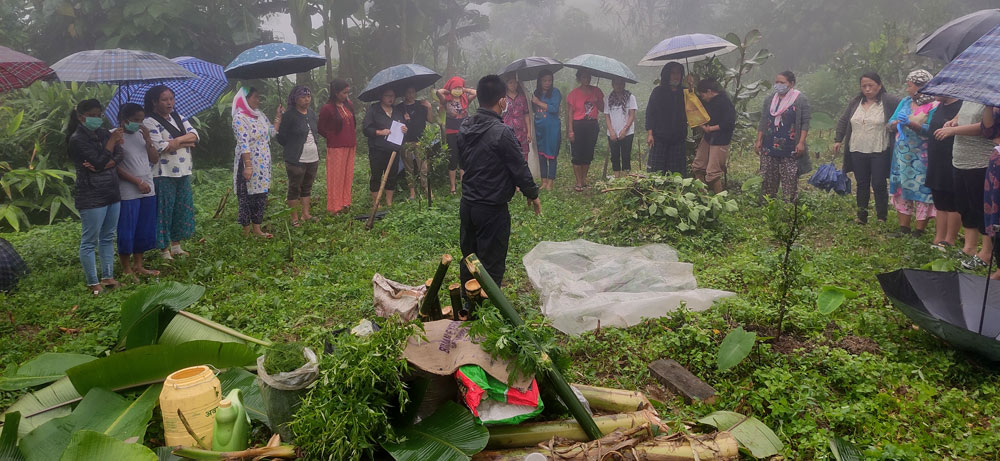 | | | | | | | | | |
| BACKGROUND In Sittong III, located within Kurseong Block in Darjeeling, tribal communities have historically relied on mandarin-based orchard farming, which is closely tied to their ecological knowledge and the surrounding forest landscapes. Once famed for its high-quality mandarin oranges, the area has suffered an 80% decline in orchard productivity due to pest outbreaks, diseases, negligence in farm management and climate variability. This has severely impacted household incomes, forced the younger generation to leave their villages and weakened traditional practices.
Our project adopts a community-centric, ecologically sustainable approach to restore degraded orchards by integrating traditional mandarin varieties with avocado and intercrops. The project incorporates nature-based solutions like vermicomposting, decentralised water harvesting and soil conservation, while also addressing the needs of landless households through allied activities, such as apiculture and backyard poultry. CHALLENGES The villages of Sittong III are facing severe challenges, including declining orchards, low-income agroecological practices and increasing food insecurity. Landless families do not have access to livelihood schemes. Additionally, poor irrigation infrastructure has negatively impacted productivity, while soil degradation from overuse of chemicals threatens sustainability. The migration of youth is, in turn, eroding local knowledge and reducing workforce availability.
OUTCOME - 80 hectares of mandarin orchards restored with integrated vegetable intercropping and soil conservation.
- Three community irrigation tanks constructed to improve water access and ensure orchard sustainability.
- Local institutions formed, including the Sittong Agro-Horti Farmers Association, Village Planning Committees and Water Guardian groups, to foster participatory resource management.
- A mustard oil extraction unit installed to support value addition and local processing.
- Support provided to 50 landless families through apiary and backyard poultry units to diversify income sources.
- Community capacity strengthened through ongoing training on orchard management and climate-resilient practices.
This holistic initiative has demonstrated the potential to not only revive the orchard economy but also enhance rural livelihoods, strengthen local institutions and promote ecological restoration in a climate-vulnerable region. | | |
|
|
|
|---|
|
|
PROJECT Restoration and Co-Management of Peri-Urban Lake in Bengaluru by Priyanka Jamwal, Arun Kumar G. P., Easha Bhat, Hymavathi P., Jayanth Shivarame Gowda, Monika K., Ramya Angandi, Sagna A., Sowmya E. R., Vipin Kumar and Vinay Sankar | | | | | | | 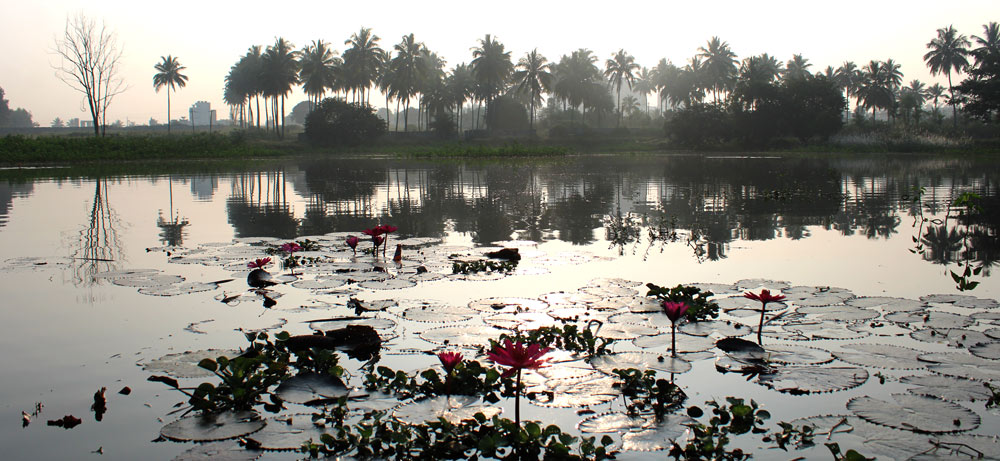 | | | | | | | | | |
| BACKGROUND Baiyappanahalli Lake, a 23-acre water body located on the northeastern fringe of Bengaluru, plays a critical role in maintaining a hydrological balance, supporting biodiversity and sustaining the local community. Historically, it has served as a source of drinking water and irrigation. However, the lake now faces rapid urbanisation and inadequate wastewater infrastructure. Fieldwork conducted over six months involved water and sediment sampling, biodiversity surveys, hydrological modelling and community-engagement tools, such as surveys and the nominal group technique (NGT). The latter helped to integrate local knowledge into the assessment. Community surveys reveal strong socio-cultural and economic connections to the lake, alongside willingness to contribute financially to its restoration. CHALLENGES - Degradation of lake quality – Continuous greywater inflows and occasional landfill leachate have severely impacted water quality. Average biochemical oxygen demand levels in the lake have reached above 50 mg/L (acceptable: 3 mg/l), chemical oxygen demand levels have exceeded above 1000 mg/L and there are trace amounts of heavy metals.
- Loss of biodiversity – The score from the biological monitoring working party dropped from 10 to 5, indicating the dominance of pollution-tolerant species owing to occasional leachate intrusion.
- Reduced ecosystem resilience – The dumping of construction waste and unchecked growth of invasive plant species are degrading habitat quality. Unplanned development has led to a 101% increase in built-up areas since 2018, which has altered the catchment, increasing runoff, reducing green cover and accelerating lake degradation.
- Poor public hygiene – Open defecation in the vicinity of the lake poses a public health concern.
- Lack of community ownership – Limited community-led restoration efforts hinder effective lake protection and long-term maintenance.
OUTCOME - Developed and adopted Composite Vulnerability Index (CVI) – which equally weighs water stress, ecological sensitivity and community reliance – to spatially identify high-risk zones and devise solutions that can reduce risks at each zone.
- Co-developed and laid down restoration targets for the lake in collaboration with local stakeholders, based on the shared findings of the baseline report. This included an assessment of the current condition, identification of key environmental and socio-economic challenges and recommendations for sustainable management and restoration strategies.
- Improved community engagement and adopted community-driven lake restoration model, involving local stakeholders in planning, restoring and monitoring the lake, to ensure sustainability and build long-term stewardship.
- Adopted a user-friendly web tool to guide engineers, contractors and planners through the design, construction and maintenance of nature-based solutions for lake restoration.
The ongoing work under the project focuses on enhancing water quality and biodiversity through nature-based solutions, such as constructed wetlands, native planting and shoreline restoration; improving stewardship by setting up living labs that provide hands-on learning spaces for students to engage with real-world lake restoration efforts; and adopting a citizen-science approach for monitoring and evaluating the impact of interventions on the health of the lake. This will be enabled through an interactive dashboard connected to environmental sensors, allowing communities to monitor lake health and contribute data for informed decision-making. | | |
|
|
|
|---|
|
|
| | PROJECT Rethinking Sustainable Water Management and Agrarian Futures in the Cauvery Delta: Integrating Local Knowledge, Practice and Policy Advocacy by Jyoti Nair, Vivek M., Kalaivendhan K., Kulothungan C. and Shrinivas Badiger | | |
| | | | | | | 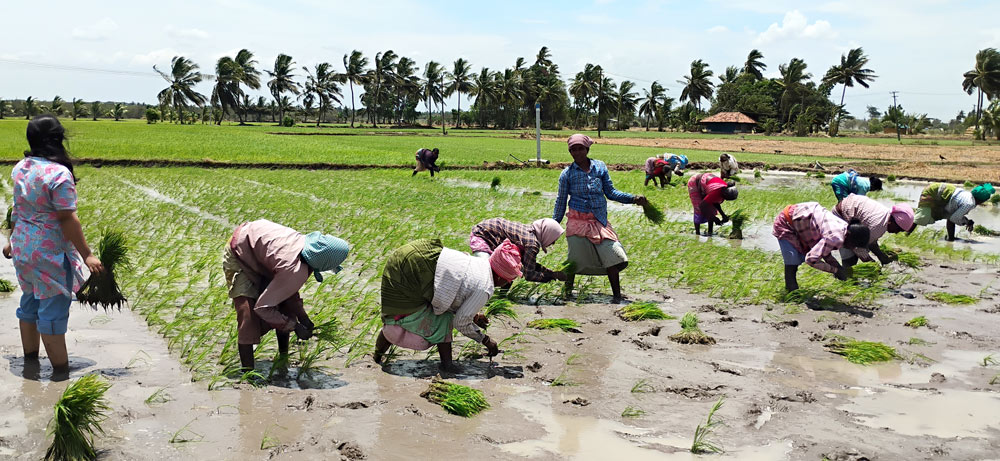 | | | | | | | | | |
| BACKGROUND The agrarian landscape of the Cauvery Delta is rooted in an unsustainable, input-intensive food production system, facing significant socio-environmental challenges. Farming communities often engage in maladaptive practices involving extensive groundwater irrigation for short-term gains. State-led initiatives, like tank restoration schemes, aim to rejuvenate irrigation infrastructure but often overlook issues of equity, justice and social acceptability, sometimes reinforcing existing inequities. In contrast, indigenous knowledge and grassroots initiatives, though increasingly overlooked, offer viable context-specific alternatives that emphasise sustainable management and resource distribution. To bridge the gap between national policy and local implementation, it is essential to foster collaboration among diverse stakeholders, develop targeted training and facilitate dialogue to promote co-learning and support transitions towards equitable and sustainable practices. Understanding how local communities manage natural resources is crucial for co-producing knowledge that supports effective, context-relevant practices and just policy design. CHALLENGES The shift to groundwater-led irrigation in the Cauvery Delta has disrupted collective water resource management, challenging the resilience of traditional agrarian systems. While this transition has boosted short-term productivity, it has also fragmented governance, led to groundwater over-extraction and diminished social cohesion and collective action as individual water access becomes the norm. Grassroots efforts to embed local knowledge and equitable water governance face barriers to scaling and integration within formal policy frameworks. There is an urgent need to analyse the social-ecological impacts of groundwater dependence, strengthen links between community-led practices and policy and develop adaptive strategies ensuring the long-term viability of livelihoods and natural resources in the Delta. OUTCOME - Documented local farming practices and reforms in community water governance, including restoration of traditional irrigation tanks and changes in paddy cultivation practices.
- Organised workshops and established collaborative networks with farmers, youth groups, NGOs and policymakers to promote adaptive and equitable water management strategies. These efforts aim to effectively address emerging agrarian challenges while balancing productivity, sustainability and social equity in the Cauvery Delta.
- Created platforms for dialogue to facilitate the co-production of knowledge, thereby fostering policy environments that are both socially just and environmentally sustainable.
| | |
|
|
|
|---|
|
|
| | PROJECT
Cultivating Diversity: The Functional Biodiversity of Smallholder Farmscapes in Madhya Pradesh by Prasanna N. S., Ravikanth G., Shrihari Hegde and Gowthami R. | | |
| | | | | | | 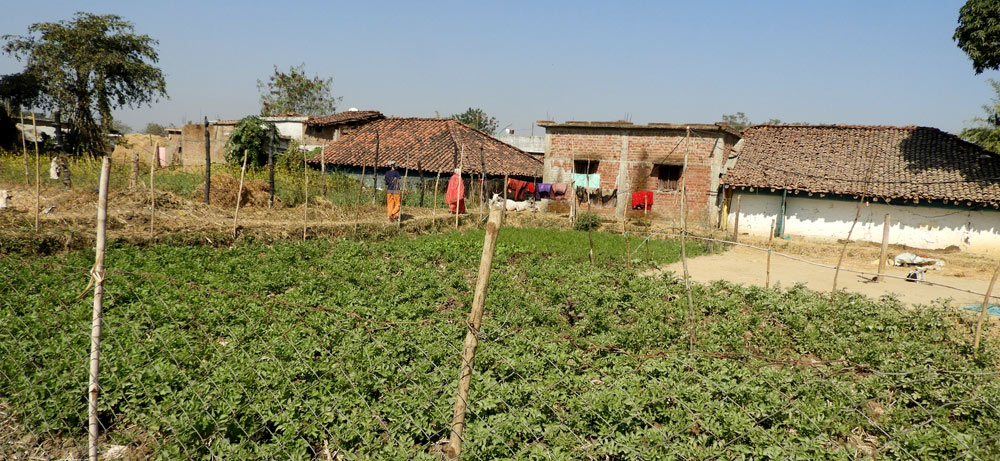 | | | | | | | | | |
| BACKGROUND A substantial proportion of India’s biodiversity exists in human-modified landscapes, including smallholder agricultural lands, which extend beyond protected areas. These farms support both livelihoods and ecological functions, often harbouring high species diversity and facilitating wildlife movement. Our project focuses on such small farms in Mandla district, Madhya Pradesh. Unlike large monoculture plantations, these farms maintain diversified cropping systems, traditional varieties and significant non-crop plant diversity. Previous studies have highlighted the biodiversity value of such landscapes for fauna, but there is much less information about the ecological roles of plants, especially non-crop species. CHALLENGES Agriculture in Mandla district is characterised by poor soil quality, degraded lands surrounded by biodiversity-rich areas and farming practices that rely on traditional methods. The farming methods include mixed cropping, crop rotation and the use of local varieties, which contribute to the sustainability of these agroecosystems. The functional diversity of crop and non-crop plants in smallholder farms and their contributions to ecosystem services, such as pollination, pest regulation, nutrient cycling and climate resilience, remain poorly understood. Non-crop plants are often removed as weeds; yet some enhance farm productivity and resilience, while others may create disservices by harbouring pests or competing for resources with crops. In addition, many traditional underutilised or 'famine' crops, which have the potential for climate adaptation and nutritional security, are being lost due to changing agricultural practices. A better understanding of these dynamics will help to develop sustainable, biodiverse farming systems and ensure local food security. OUTCOME Completed comprehensive data on species and functional diversity of crop and non-crop plants, as well as arthropods, in smallholder farms of Mandla district. Some of the ongoing efforts under the project include mapping plant-arthropod interaction networks, quantifying the trade-offs between ecosystem services and disservices and documenting the use of traditional underutilised crops. The results will inform region-specific agroecological practices that enhance farm resilience, productivity and biodiversity. | | |
|
|
|
|---|
|
|
PROJECT Sustaining the Tamiraparani Riparian Ecosystem: A Holistic Approach by M. Soubadra Devy, M. Mathivanan, A. Saravaranan, S. Thalavaipandi, S. Thamizhazhagan, P. Maria Antony, A. Thanigaivel, R. Peter Christopher, Teresa Scholastica Thomas, Sanmadi K. R., M. Vinod Kumar Santhanamari and Ganesan Marimuthu | | | | | | | 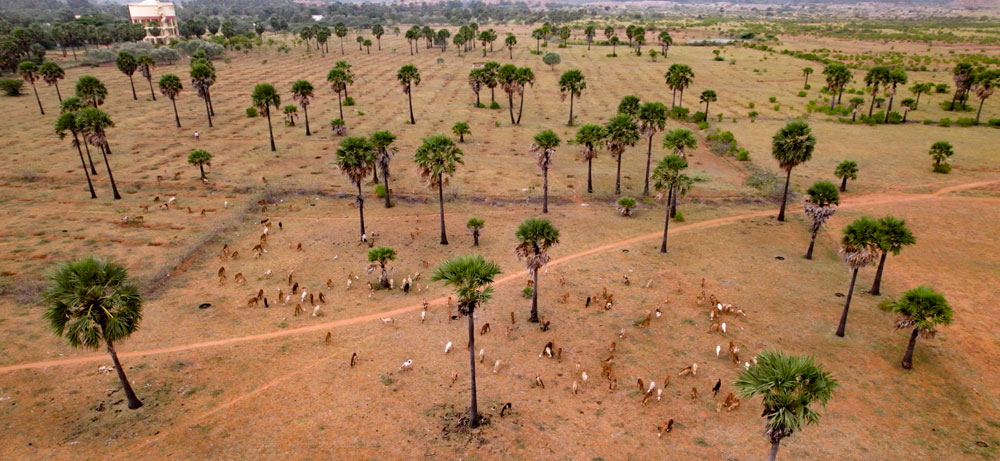 | | | | | | | | | |
| BACKGROUND The Tamiraparani River, which originates in the Agasthyamalai hills of the Western Ghats, is a vital socio-ecological system in Tamil Nadu. It supports agriculture, provides domestic water and facilitates industrial activity while holding deep cultural and historical significance. However, the river now faces mounting pressures from pollution, sand mining, water extraction and changing climate patterns, threatening both biodiversity and human wellbeing. CHALLENGES While restoration efforts have predominantly focused on watershed management in the upstream catchments, the riparian zones along the river’s course remain largely neglected. These ecologically rich interfaces between land and water are critical for regulating flow, filtering pollutants, stabilising banks and supporting biodiversity. Their degradation due to encroachment, invasive species and infrastructural interventions undermines the health of the river system. Integrating riparian restoration into broader conservation strategies is essential to enhance the ecological integrity and resilience of the Tamiraparani basin. OUTCOME - Conducted biodiversity assessment using otters as flagship top predators and fish diversity as indicators of ecological health at the river scale
- Promoted community stewardship and public participation in river conservation through initiatives such as ‘Therapy Walks’ along riparian corridors.
- Piloted the social-ecological observatories approach through riparian restoration with an arboretum in Gopalsamudrum and an ecotourism model in Thirupudaimaruthur village.
| | |
|
|
|
|---|
|
You could create a huge impact, we look forward to your contribution |
|
|---|
|
ATREE, Royal Enclave, Sriramapura, Jakkur Post, Bangalore 560 064
Phone: +91-80-23635555 | www.atree.org | info@atree.org |
|
|
|
|---|
|
|
|